
The science behind low surface energy plastics, and the adhesive stickers built to beat them
If you've applied a sticker to a plastic tote, squeeze bottle, or shipping container and watched it peel up within days, the plastic may be to blame, not your sticker. Polypropylene and polyethylene are low surface energy plastics that make it difficult for standard adhesives to form a strong bond. While specialty high-tack adhesives are often recommended for these surfaces, Stickers.com offers Standard and Premium Vinyl stickers with permanent adhesive that work well for a variety of applications. Because adhesion to polypropylene and polyethylene can be challenging, we recommend testing stickers on your specific surface before placing a larger order.
Common Questions About Stickers for Plastic
- What is a polypropylene sticker?
- The term is used two ways. In the label industry, a polypropylene sticker usually means one printed on polypropylene film (often called BOPP), a common choice for product labels on bottles and jars. Many shoppers also use it to mean a sticker that will stick to polypropylene, a low surface energy plastic used in containers, totes, and packaging that standard adhesives struggle to grip. Stickers.com prints on vinyl with permanent acrylic adhesives that bond well to many smooth plastics. Because polypropylene surfaces vary, we recommend ordering a single sticker or sticker sample to test on your container before placing a larger order.
- What kind of stickers stick to plastic?
- The adhesive matters more than the sticker material. Most smooth, rigid plastics bond well with a quality pressure-sensitive acrylic adhesive, but polypropylene and polyethylene have low surface energy, so even strong general-purpose adhesives can struggle to grip them. Our Standard Vinyl and Premium Vinyl stickers use permanent adhesives with air release technology: tiny channels in the adhesive let trapped air escape during application, so the sticker lies flat with full contact and fewer bubbles that can turn into lifted edges. For the best bond on any plastic, clean the surface with isopropyl alcohol, apply with firm pressure, and give the adhesive 24 to 48 hours to reach full strength. If you’re labeling polypropylene or polyethylene, order a single sticker to test first.
- Are polypropylene stickers better than vinyl stickers?
- It depends on the job. Polypropylene stickers, often called BOPP labels, are printed on a thin, rigid film that resists water and oils, which makes them a popular, cost-effective choice for product labels on bottles, jars, and packaging. Vinyl is more flexible, so it handles simple curves and outdoor exposure better, and it’s built to last for years in sun and weather. Either way, the face material doesn’t decide whether a sticker stays put on plastic; the adhesive and surface prep do. Our Standard and Premium Vinyl stickers use permanent adhesives that bond well to many smooth plastics, and we recommend testing a single sticker first on polypropylene or polyethylene surfaces.
- What labels will stick to plastic?
- Labels that hold up on plastic use permanent pressure-sensitive adhesives rather than the general-purpose adhesives made for paper or cardboard. Our die-cut and custom-shaped stickers use Economy Vinyl, Standard Vinyl or Premium Vinyl backing, both with permanent adhesives rated for outdoor use. They bond well to most smooth, rigid plastics. Polypropylene and polyethylene are harder to stick to, so we recommend testing a single sticker on those surfaces before ordering in quantity.
- How do I know what size sticker to order for my plastic product or container?
- Measure the flattest, largest usable area on your container and leave at least a quarter inch of margin around any curves or seams. Our stickers range from 2 inches by 2 inches up to 12 inches by 12 inches for standard die-cut runs, and up to 120 inches wide for large-format custom vinyl stickers, so most bins, totes, and equipment panels are covered.
- How much do custom stickers for polypropylene or polyethylene cost?
- Pricing depends on size, quantity, and material. Economy Vinyl is the most budget-friendly option, Standard Vinyl adds scratch and moisture protection, and Premium Vinyl offers up to 7 years of outdoor durability. Orders of 50 or more unlock tiered bulk pricing, and there is no minimum beyond a single unit if you just need one sticker to test on your surface first.
- How fast will my order ship, and how do I care for the stickers after applying them?
- Standard production takes 3 business days before shipping via FedEx or UPS, with rush options available in as little as 2 business days. Once applied, avoid pressing on stickers until adhesive fully cures over 24 to 48 hours, and clean the plastic surface with isopropyl alcohol before application for the strongest, longest-lasting bond.
What Makes Polypropylene and Polyethylene So Hard to Stick To
Polypropylene and polyethylene are called low surface energy plastics for a reason. Surface energy measures how well a liquid, including liquid adhesive, spreads across a material instead of beading up. Materials like glass, metal, and painted wood have high surface energy, so adhesives wet out and bond easily. Polypropylene and polyethylene sit at the opposite end of the scale. Their surface energy is so low that most general-purpose adhesives never fully wet the surface. Instead of spreading into the microscopic peaks and valleys of the plastic, the adhesive sits on top like water on a freshly waxed car, which is exactly why standard stickers slide off, curl at the corners, or fail to stick at all right out of the box.
Why Regular Sticker Adhesive Fails on Plastic Surfaces
Most everyday stickers use a general-purpose acrylic adhesive designed for paper, cardboard, glass, and painted surfaces. That adhesive works by forming a mechanical and chemical bond with the surface it touches, but polypropylene and polyethylene simply don't offer much for the adhesive to grip. Add oils from manufacturing, mold release agents, or a slightly textured finish, and the bond gets even weaker. This is the same underlying problem behind why some wall stickers won't stick to textured paint. The surface chemistry, not the sticker quality, is usually the culprit. On plastic containers and equipment, this shows up as edges lifting within days, full sticker peel-off during shipping or handling, and adhesive residue that transfers to the plastic without the sticker actually holding on.
How High-Tack Stickers Solve the Adhesion Problem
The fix isn't necessarily a different sticker material, but a stronger, more aggressive adhesive system designed to bond with difficult surfaces. While Stickers.com doesn't currently offer stickers with a dedicated high-tack adhesive, we do have several permanent-adhesive options that work well for a variety of applications.
Our die-cut stickers are available in Standard Vinyl and Premium Vinyl, both featuring permanent adhesive and air-release technology that helps push trapped air out during application. Standard Vinyl is a great option for smooth, flat surfaces, while Premium Vinyl offers up to 7 years of outdoor durability and is better suited for curved or contoured surfaces.
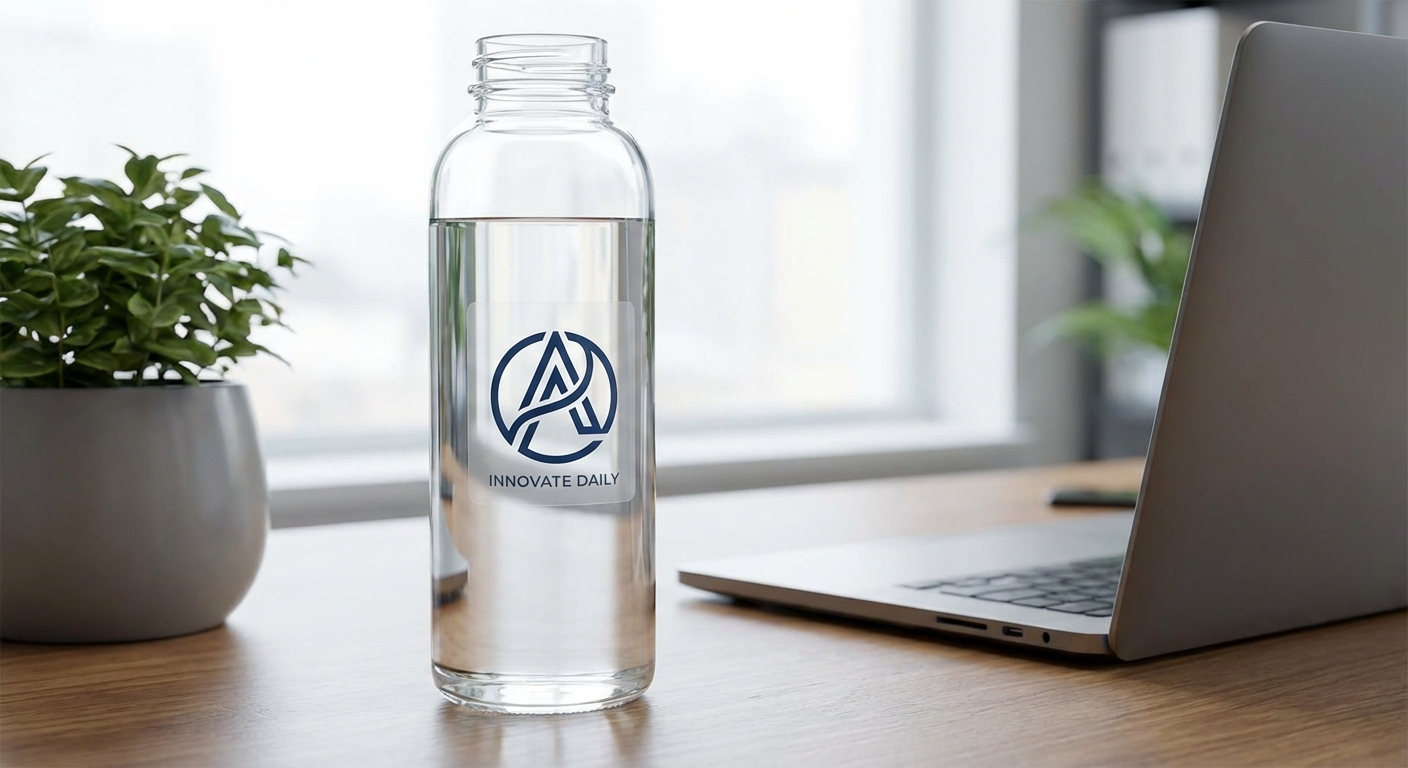
For applications that require the adhesive to be on the printed side of the sticker, such as graphics applied to the inside of clear windows or panels, our front-adhesive stickers allow the design to be viewed through the surface.
However, polypropylene and polyethylene are low-surface-energy plastics, meaning even permanent adhesives may struggle to form a reliable bond. Because of this, we always recommend testing a small quantity of stickers on your specific surface before placing a larger order. Most products offer a 1 sticker order minimum or there are also low cost sticker sample options as well. This helps ensure the material and adhesive will perform as expected for your application.
Choosing the Right Sticker for Plastic Containers, Labels, and Equipment
Sizing and shape matter as much as adhesive strength when you're labeling plastic. Flat, rigid panels give the best bond, while curved bottles and rounded containers need a flexible vinyl that can conform without lifting at the seams. If your design needs to show through a clear plastic panel or window, clear stickers let the plastic color or background show through around the printed image, which works well for branded packaging labels. For vehicles, coolers, and outdoor gear where the sticker faces sun, moisture, and handling, review our car window sticker guide for placement and prep tips that also apply to plastic bins and equipment. Always upload artwork at full resolution and build in bleed around die lines so your custom shape prints cleanly to the edge, and browse the full sticker catalog to compare finishes before you order.
Sticker Material Comparison for Plastic Adhesion
Not every vinyl performs the same way on polypropylene or polyethylene. Here's how our core sticker materials compare when adhesion to plastic and outdoor durability matter most.
| Material | Adhesive Type | Outdoor Durability | Best Use on Plastic |
|---|---|---|---|
Economy Vinyl | Standard acrylic adhesive | Up to 3-5 years with proper care | Light-duty labeling on smooth, flat plastic surfaces like novelty items and indoor bins |
Standard Vinyl | Permanent adhesive with air release technology | Up to 3-5 years outdoor | General-purpose labeling on polypropylene and polyethylene containers, cases, and equipment |
Premium Vinyl | Permanent, pressure-activated adhesive with air release technology | Up to 7 years outdoor | Contoured plastic surfaces, outdoor gear, marine equipment, and long-term product labeling |
Stickers Built for Plastic Surfaces
These sticker types use permanent adhesive and durable vinyl construction suited for polypropylene, polyethylene, and other low surface energy plastics. We always recommend ordering one or two stickers to test before placing a large order, especially if you’re applying them to a low surface energy plastic like polypropylene or polyethylene.

Find the Right Stickers for Your Plastic Surfaces
Looking for custom stickers that hold up on bottles, bins, and equipment? Explore our Standard and Premium Vinyl stickers, both featuring permanent adhesive for a variety of applications. For difficult surfaces like polypropylene and polyethylene, we recommend testing a small quantity first to ensure proper adhesion before placing a larger order.