
Understanding workplace chemical labeling requirements and how to identify hazardous materials properly.
Chemical Safety Sticker Questions, Answered
- What does OSHA require on chemical labels?
- Under OSHA's Hazard Communication Standard (HazCom 2012, aligned with GHS), every chemical container needs six elements: a product identifier, the manufacturer's name and contact information, one or more GHS pictograms, a signal word (Danger or Warning), a hazard statement, and precautionary statements. These elements must be legible, durable, and remain readable for the life of the container.
- What are the chemical warning labels called?
- The most common are GHS labels (Globally Harmonized System labels), sometimes called hazard communication labels or HazCom labels. Some facilities also use NFPA diamond labels or HMIS color-bar labels for internal quick-reference hazard ratings, though these do not replace the GHS pictogram requirements on primary containers.
- Where can I get hazmat stickers?
- You can order custom hazmat and GHS stickers directly from Stickers.com. We print each label to your exact specifications, including pictogram artwork, hazard statements, and container-specific sizing, using vinyl materials rated for chemical, moisture, and UV exposure.
- What does a hazmat sticker look like?
- A standard GHS hazard label features a white background with a red diamond-shaped border, a black pictogram symbol inside (flame, skull and crossbones, corrosion, exclamation mark, and others), a bold signal word like Danger or Warning, and printed text listing the hazard and precautionary statements underneath.
- Do secondary containers need their own labels?
- Yes, in most cases. OSHA's workplace labeling provision allows an exception only when a worker transfers a chemical into a secondary container and uses it entirely within the same work shift. If the container is stored, shared with other employees, or used beyond that shift, it needs its own secondary container label with the product identifier and hazard information.
- What material holds up best in chemical storage areas?
- For chemical storage and shop-floor environments, we recommend Standard or Premium Vinyl with UV + Scratch protection. These materials resist moisture, chemical splash, and general abrasion far better than economy paper labels, and Premium Vinyl carries up to 8 years of outdoor durability for containers stored outside or in unconditioned warehouses.
- Can I order just a few labels, or do I need to buy in bulk?
- Minimum order is 1 unit, so you can print a single replacement label if needed. Once you go past 50 units, tiered bulk pricing kicks in, which is ideal for facilities labeling multiple drums, totes, or production lines at once.
Types of Chemical Safety Stickers for Workplace Compliance
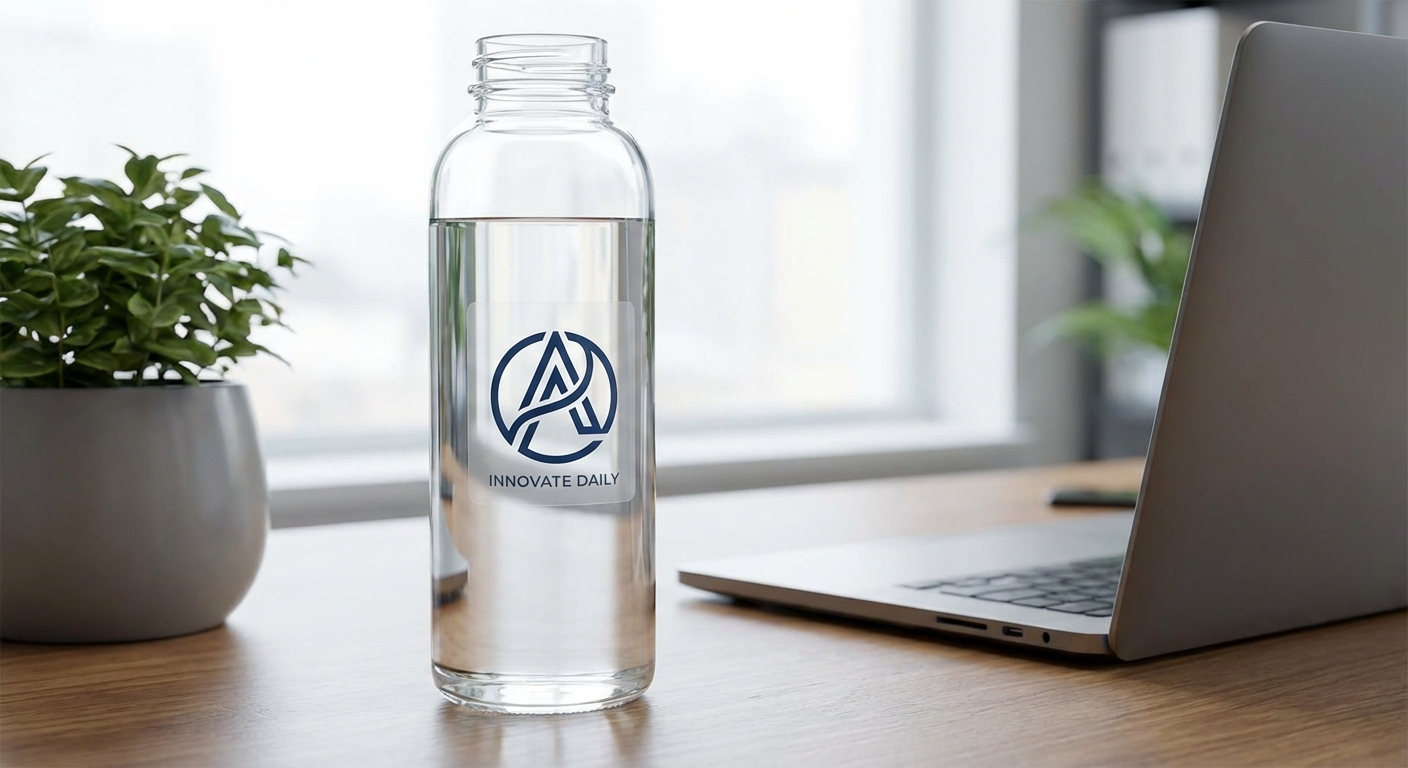
For pictogram-shaped hazard symbols and small format warning stickers, die-cut stickers cut precisely around the artwork give you a clean, professional label that reads correctly at a glance across the shop floor. For chemical containers made of clear plastic or glass where a white-background label would obscure branding or fill lines, clear stickers let the container show through while still displaying legible hazard text and pictograms.
Browse our full labels catalog for pre-formatted options built around standard GHS layouts, or work from a blank template if your safety team has an established label design already in use.
Choosing Materials, Sizes, and Application Method
Common chemical label sizes run from small 2 inch by 2 inch pictogram tags up to full 8.5 inch by 11 inch sheet labels for large drums, and our die-cut stickers size range covers 2 inch by 2 inch up to 12 inch by 12 inch, which fits nearly every standard container from a spray bottle to a 55-gallon drum lid. If you're labeling dozens of containers with varying pictogram combinations, Custom Cut Sticker Sheets let you print multiple hazard symbols on one 8.5 inch by 11 inch sheet and cut them apart as needed.
Once your labels arrive, application takes just a few minutes per container. Clean the surface, remove any old or peeling labels, and apply on a dry, room-temperature surface for the best adhesion. Our guide on how to install a sticker covers bubble-free application techniques that apply just as well to chemical drums and totes as they do to laptops and vehicles.
Chemical Label Types Compared
Different hazard situations call for different label formats. Here's how the main types stack up so you know which one your containers actually need.
| Label Type | Required By | Typical Placement | Recommended Product |
|---|---|---|---|
| GHS Primary Container Label | OSHA HazCom 2012 (mandatory on shipped/manufactured containers) | Drums, totes, cases as received from supplier | Custom Stickers or Custom Vinyl Stickers |
| GHS Secondary Container Label | OSHA HazCom 2012 (required unless immediate-use exception applies) | Spray bottles, decanted containers, transfer vessels | Die-Cut Stickers or Clear Stickers |
| NFPA/HMIS Diamond Label | Internal facility standard, not an OSHA GHS requirement | Storage room doors, tank exteriors, quick-reference points | Circle Stickers or Die-Cut Stickers |
| Custom Hazard Warning Sticker | Facility-specific safety policy or insurance requirement | Equipment, hard hats, restricted areas near chemical storage | Custom Cut Sticker Sheets |
Custom Chemical Safety Sticker Products


Get Your Workplace Compliant With Custom Chemical Safety Stickers
Stop hunting for generic hazard labels that don't fit your containers. Order custom chemical safety stickers, GHS labels, and secondary container labels printed to your exact specifications, on materials built to survive chemical storage conditions. Every order ships directly to your facility, ready to apply.
Shop Chemical Safety Labels