Design guidance for candidates, campaign managers, and volunteers printing custom campaign stickers
A political campaign sticker has one job: get a name, message, and visual identity into a voter's hands and onto their car, laptop, or yard sign in seconds. The best political campaign stickers combine a clear candidate name, a short slogan, campaign colors, and sometimes an office or election date, all printed on a material built to survive bumpers, windows, and door-to-door canvassing. Whether you're printing your first batch of election stickers for a school board run or ordering thousands of candidate stickers for a statewide campaign, the layout and material choices you make now determine how well your message holds up through election day.
What to Include on Your Campaign Sticker Design
Other Details Worth Adding to Your Campaign Sticker
Choosing the Right Sticker Format for Your Campaign
Comparing Sticker Formats for Political Campaigns
| Sticker Type | Best Use | Typical Size | Outdoor Durability |
|---|---|---|---|
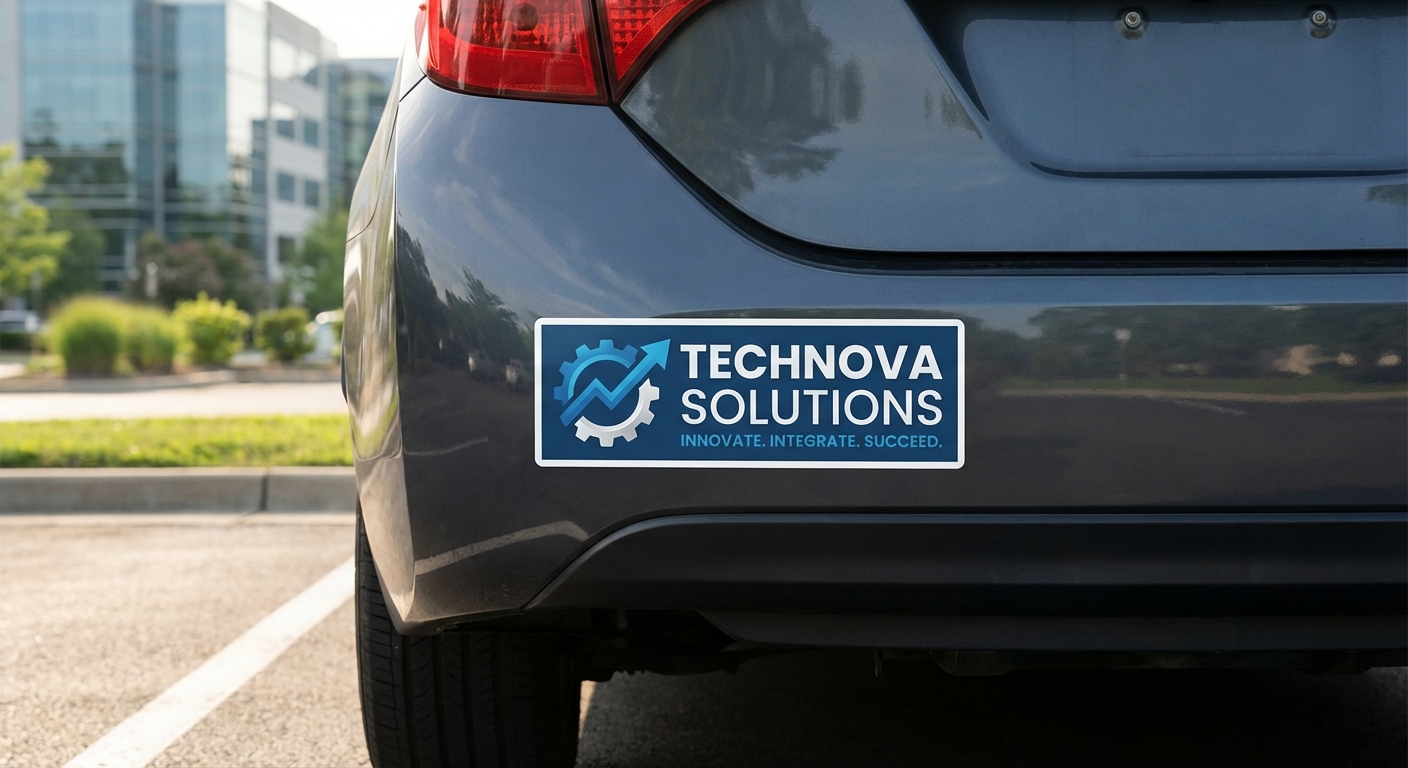
Bumper Stickers | Vehicle bumpers, car windows | 3"x10" to 4"x12" | Up to 3-5 years |
Die-Cut Stickers | Custom logo shapes, laptops, water bottles | 2"x2" to 12"x12" | Up to 3-5 years |
Circle Stickers | Event giveaways, canvassing handouts | 2" to 4" diameter | Up to 3-5 years |
Clear Stickers | Storefront and office windows | 2"x2" to 12"x12" | Up to 3-5 years |
Large Vinyl Stickers | Large-format window or vehicle graphics | Up to 120"x50" | Up to 3-5 years |
Common Questions About Buying Political Campaign Stickers
- What information should actually go on a campaign sticker?
- Most political campaign stickers include the candidate's last name (or full name for smaller, local races), the office being sought, and a short slogan or tagline. Many campaigns also add a party identifier, a web address, or an election year. Keep text minimal. A sticker read at a glance on a bumper only has room for 3-5 words beyond the name itself.
- What material holds up best for outdoor campaign stickers?
- For bumper stickers and window decals that need to survive rain, sun, and road grime for months, standard or premium vinyl is the better choice. Standard vinyl carries a 3-5 year outdoor durability rating, while premium vinyl is built for up to 8 years outdoors with UV, scratch, and moisture-resistant lamination. Economy vinyl works fine for indoor use like campaign office windows or laptop stickers handed out at events, but it's not rated for long-term weather exposure.
- What size should a campaign sticker be?
- Classic bumper stickers run around 3 inches by 10 or 11 inches, which gives enough width for a name and slogan without overwhelming a car bumper. Smaller circle stickers in the 2-3 inch range work well for laptops, water bottles, and canvassing clipboards. Larger die-cut stickers cut to the shape of a logo or campaign emblem are popular for yard signs and window displays where a rectangle format doesn't fit the artwork.
- Do you need professional design help to create a campaign sticker?
- No, but it helps. Many campaigns start with a simple name and slogan in high-contrast colors, then refine the layout once they see how it looks printed. If your campaign doesn't have a logo yet or needs one cleaned up for print, the logo design services team can build print-ready artwork from a rough sketch or existing graphic before you place your sticker order.
- How much do custom campaign stickers cost in bulk?
- Pricing scales down significantly with volume. A single proof sticker can be ordered to approve design and color before committing to a full run, and orders of 50 units or more move into tiered bulk pricing, which is standard for campaigns ordering hundreds or thousands of stickers for canvassing, mailers, or event giveaways. Per-unit cost drops as quantity, size, and material simplicity increase.
- How do you apply a bumper or window campaign sticker correctly?
- Clean the surface with soap and water or rubbing alcohol first, let it dry fully, then peel the backing and apply from one edge, smoothing out air bubbles as you go. For vehicle bumpers, avoid applying directly over textured plastic trim since the adhesive bonds better to smooth painted surfaces or glass.