
Compare durability, surface compatibility, and pricing to choose the right custom sticker for your next order
Picking between UV DTF stickers and vinyl stickers comes down to what you're sticking them to and how long you need them to last. Vinyl stickers have been the standard for laptops, cars, and outdoor signage for decades. UV DTF transfer stickers are a newer option built to bond with hard, curved, and non-porous surfaces that traditional adhesive vinyl struggles with. This guide breaks down the real differences in materials, durability, application, and cost so you can order the right product the first time.
Common Questions About UV DTF Stickers vs Vinyl Stickers
- What's the actual difference between UV DTF and vinyl stickers?
- Vinyl stickers are printed directly onto adhesive-backed vinyl film and laminated, then peeled from a liner and stuck onto a surface. UV DTF (direct to film) stickers are printed onto a special film with UV-cured ink, then transferred using a layer of adhesive and transfer tape onto the final surface, similar to a decal that bonds permanently once applied. The core difference is in the application process and the surfaces each one is built to handle.
- How long does a UV DTF sticker last?
- A properly applied UV DTF sticker typically holds up for 2 to 3 years outdoors and longer indoors, resisting fading and scratching thanks to UV-cured ink and a protective coating. That's solid durability, but it generally falls short of Premium Vinyl, which is rated for up to 8 years outdoors. If you need maximum longevity on a flat surface, vinyl is still the stronger long-term choice.
- Will UV DTF stickers stick to wood?
- Yes. UV DTF transfer stickers are designed to bond with porous and uneven surfaces like wood, as well as glass, metal, and plastic, where standard adhesive vinyl can struggle to hold a clean edge. This is one of the biggest advantages of UV DTF over traditional vinyl for tumblers, wood signs, and hard-surface products.
- How can I tell if a sticker is vinyl?
- Vinyl stickers have a flexible, slightly thick feel with a glossy or matte laminate layer on top of the printed design. They're cut into a specific shape (die-cut) or left on a backing sheet (kiss-cut), and they peel cleanly from a paper or film liner. If a sticker feels thin and paper-like or tears easily when removed, it's likely a paper label rather than true vinyl.
- What is the difference between a decal and a sticker?
- Decals and stickers are often the same type of product, and the terms are frequently used interchangeably. Decals are commonly associated with larger graphics or more durable applications, such as vehicle lettering, equipment branding, and outdoor signage. Stickers are often smaller and used for product packaging, promotional giveaways, and personal decoration. However, both can be made from similar vinyl materials, and their actual durability depends on the material, adhesive, and protective finish rather than whether they're called a sticker or decal.
- Which option costs less for bulk orders?
- Vinyl stickers have a minimum order of just 1 unit and get noticeably cheaper per piece as quantity increases, making them cost-effective for both small and large runs. UV DTF products like DTF Decals require a 10-unit minimum, with tiered pricing kicking in around 50+ units. For small test batches, vinyl is usually the more budget-friendly entry point.
- Which type works better on curved or hard surfaces like tumblers and hard hats?
- UV DTF stickers have the edge here. The transfer application lets the design conform more evenly to curved and textured surfaces like tumblers, helmets, and hard hats, where standard vinyl can lift at the edges or pucker on tight curves.
What Sets UV DTF Transfer Stickers Apart
UV DTF stickers start as a full-color design printed with UV-cured inks onto a specialty film. A layer of adhesive is applied, and the finished product transfers from a carrier sheet onto the final surface using light pressure and a burnishing tool, similar to applying a temporary tattoo but permanent. This transfer method is what gives UV DTF stickers their biggest advantage: they bond well to glass, metal, wood, ceramic, and curved or textured items where standard vinyl adhesive struggles to grip evenly. That's why UV DTF sticker applications tend to center on tumblers, wood signs, metal tool boxes, and hard-surface branding rather than flat laptop lids or car windows. If you're working with a surface that isn't smooth or flat, check out our UV DTF Transfer Stickers before committing to vinyl.
Why Vinyl Stickers Are the More Versatile Choice
Traditional vinyl stickers are a practical choice for most everyday sticker projects because they're easy to apply, available in a wide variety of shapes and sizes, and suitable for many different surfaces. From business branding and product packaging to promotional giveaways, water bottles, laptops, and vehicle graphics, custom vinyl stickers offer flexibility for both personal and business applications.
One of their biggest advantages is convenience. Individual vinyl stickers can be handed out at events, included in customer orders, or sold as merchandise without requiring special application instructions. Customers simply peel the sticker from its backing and apply it to a suitable clean, dry surface. Businesses can also choose between die-cut stickers, kiss-cut options, and sticker sheets depending on how they plan to distribute or use their designs.
Vinyl stickers are also available in different materials and protective finishes to accommodate a range of indoor and outdoor applications. Protective lamination helps reduce everyday wear from handling, sunlight, and moisture exposure, although actual durability depends on the material and conditions of use. For businesses that need stickers for multiple purposes, traditional vinyl is often the most practical starting point. Our car window stickers guide offers additional information about choosing stickers for vehicle applications.
Choosing Between UV DTF and Vinyl Stickers for Your Project
For most branding, promotional, packaging, and everyday personalization projects, traditional vinyl stickers are a good place to start. They're easy to peel and apply, available in different shapes and sizes, and convenient to distribute individually or in sheets. Whether you're adding a logo to product packaging, handing out stickers at an event, decorating a laptop, or personalizing a water bottle, vinyl stickers offer a straightforward solution.
UV DTF transfer stickers are better suited for specific decorative applications where you want the printed design to transfer directly onto a compatible hard surface without a continuous vinyl background surrounding the artwork. They can be useful for detailed logos, lettering, and decorative graphics on items such as glass jars, tumblers, and other suitable smooth, hard surfaces. Unlike traditional peel-and-stick vinyl stickers, UV DTF transfers require a transfer application process, making them less convenient for casual giveaways or projects where customers are expected to apply stickers quickly.
The best option ultimately depends on the finished appearance you want and how the stickers will be used. Choose vinyl stickers when versatility, easy application, and distribution are priorities. Consider UV DTF transfers when you're decorating compatible hard-surface products and want the appearance of an individually transferred printed design. If you prefer a transparent background while retaining the convenience of traditional adhesive vinyl, clear stickers may be another option worth considering.
UV DTF Stickers vs Vinyl Stickers: Side-by-Side Comparison
Here's how UV DTF sticker durability, application, and pricing stack up against traditional vinyl stickers across the factors that matter most when you're placing an order.
| Feature | UV DTF Transfer Stickers | Vinyl Stickers |
|---|---|---|
Material | UV-cured ink printed on transfer film, applied with adhesive and transfer tape | Printed adhesive vinyl with a protective laminate layer |
Best Surfaces | Glass, metal, wood, ceramic, curved and textured items | Laptops, cars, windows, packaging, flat or gently curved surfaces |
Outdoor Durability | Roughly 2-3 years with UV and scratch resistance | Up to 8 years outdoors with Premium Vinyl material |
Application Method | Peel carrier, position, burnish, remove transfer tape | Peel liner, apply directly, laminate already bonded |
Minimum Order | 10 units | 1 unit |
Finish Options | Glossy or matte, full color only | Glossy or matte, Economy, Standard, or Premium vinyl tiers |
Cut Styles | Transfer cut (full design transfers as one piece) | Die-cut or kiss-cut |
Typical Use Cases | Tumblers, hard hats, wood signs, product packaging on curved surfaces | Car decals, laptop stickers, storefront windows, outdoor signage |
Shop UV DTF and Vinyl Sticker Options
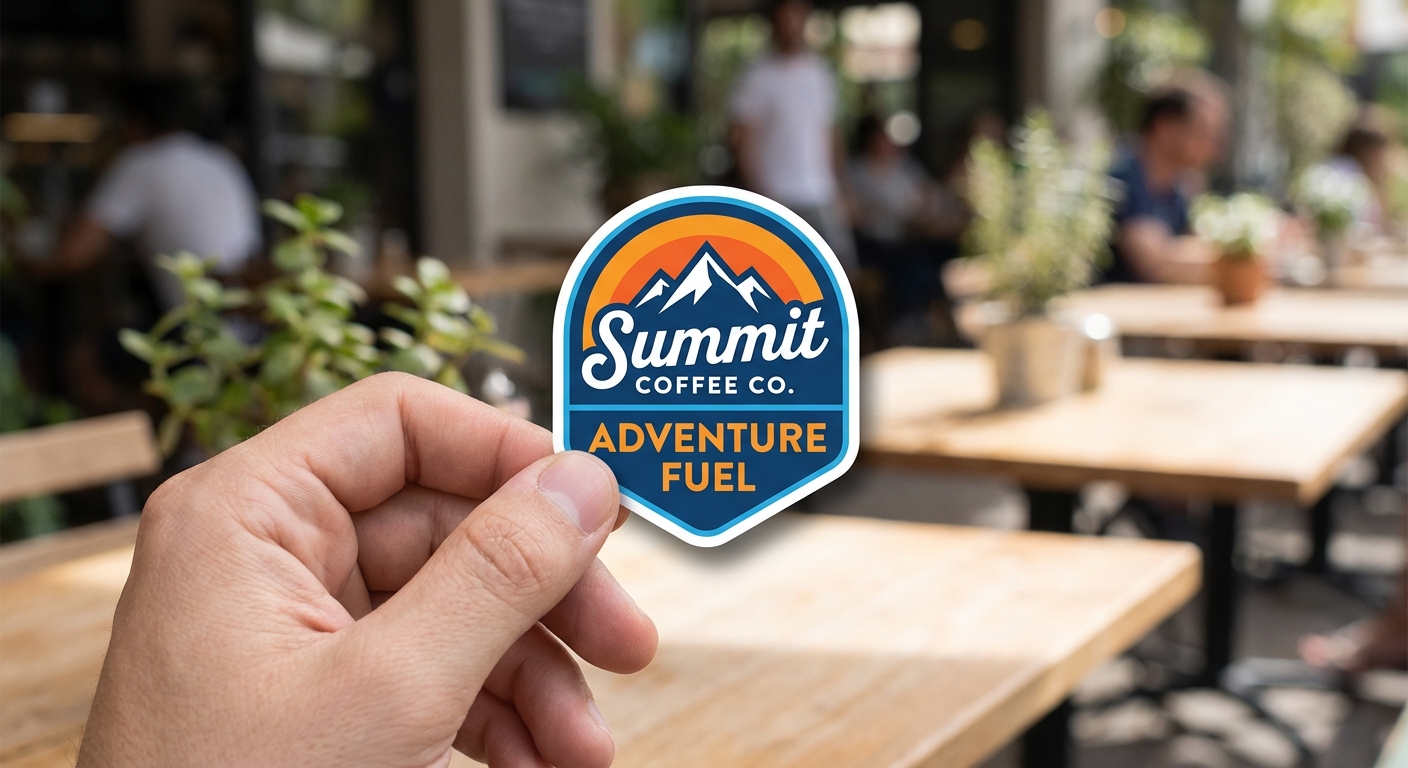
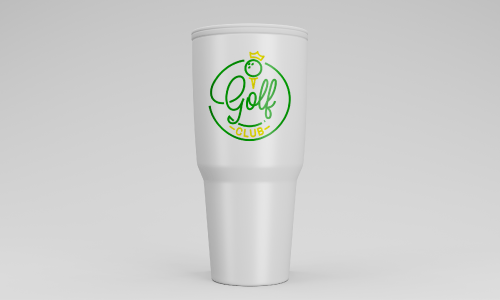
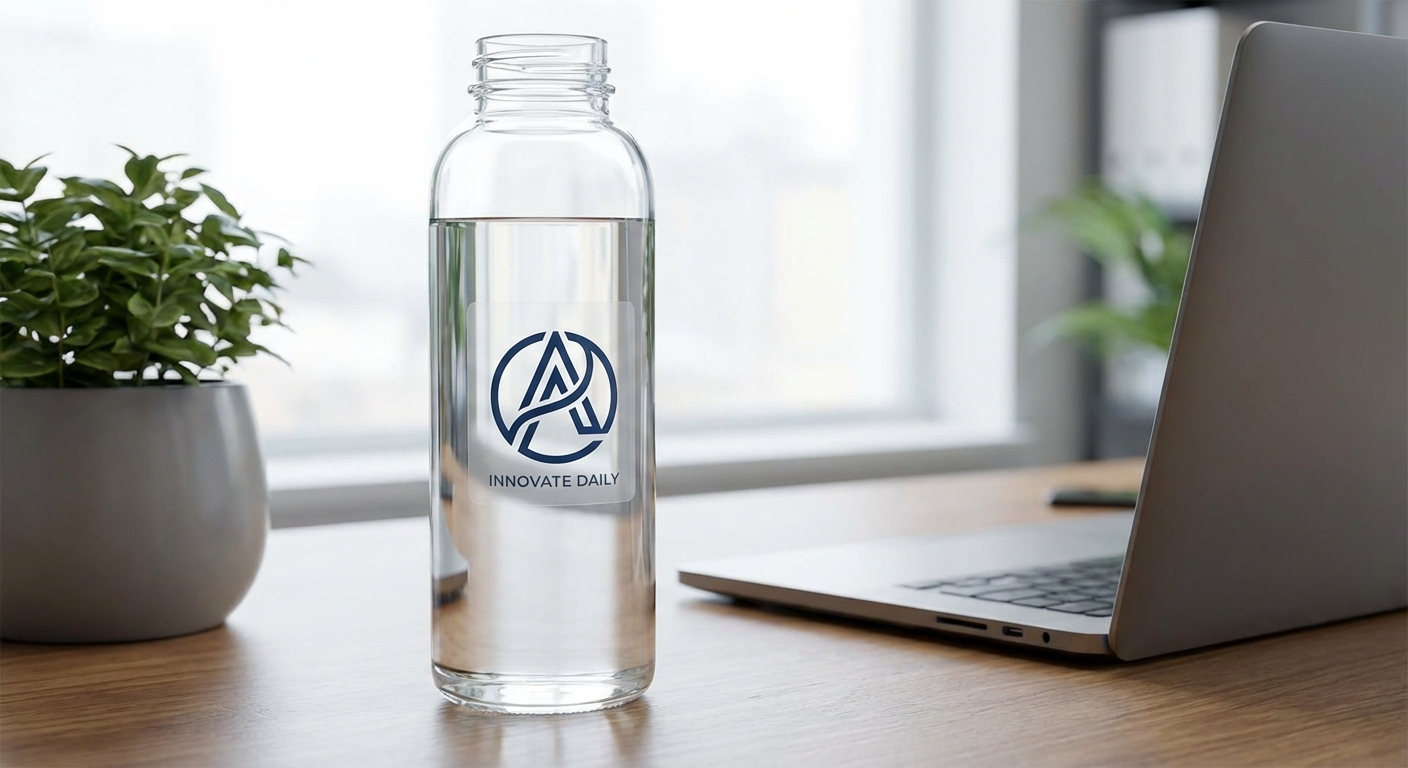
Browse the sticker types covered in this comparison and order a custom print run in the material and finish that fits your surface.

Ready to Order Custom Stickers That Match Your Surface?
Whether you need UV DTF stickers for tumblers and hard surfaces or vinyl stickers for laptops, cars, and outdoor signage, we print and ship every order from your own artwork with production as fast as 1 business day. Upload your design and get a real quote in minutes.
Start Your Custom Sticker Order