
Layout, material, and sizing tips for custom bumper stickers for cars that actually get noticed
A bumper sticker has about two seconds to make an impression before the light turns green. That means your design, size, and material choices all have to work together. This guide walks through the bumper sticker design tips, layout rules, and material options that separate a sticker people remember from one that fades, peels, or gets ignored. Whether you're printing one personalized bumper sticker for your own car or producing a batch for a team, shop, or event, the same fundamentals apply.
Common Questions About Custom Bumper Stickers for Cars
- What material holds up best for bumper stickers on a car?
- For anything that lives outdoors on a bumper, Standard Vinyl or Premium Vinyl is the right call. Standard Vinyl carries a 3-5 year outdoor durability rating with UV, scratch, and moisture-resistant lamination, which is enough for most daily drivers. Premium Vinyl steps that up to an 8-year outdoor rating and is built for trucks, contoured panels, and vehicles that sit in direct sun or face road salt and grit year-round. Economy Vinyl is fine for laptops or water bottles, but it's not the pick for a bumper that gets rained on.
- What size should I make my bumper sticker?
- Classic bumper sticker sizing runs from about 3 inches by 10 inches up to 4 inches by 12 inches, which fits most bumpers, tailgates, and back windows without overwhelming the panel. Bumper Stickers can be produced anywhere from 2"x2" up to 12"x12", so you can size a design smaller for a toolbox or laptop, or scale it up for a full tailgate statement. If you're unsure, start with the proportions of your artwork and work backward from there rather than forcing art into a size that doesn't fit the shape.
- How do I prepare my artwork for a custom bumper sticker?
- Set up your artwork proportionally to your final sticker size. Vector files such as EPS or vector PDF help keep text and graphics crisp when resized. For raster artwork, use at least 300 DPI at the final print size. Convert text to outlines, clearly indicate your intended cut line, and keep important text and logos away from the edge. Follow the selected product’s artwork instructions for any bleed requirements. If you want shape inspiration before you start, the fun bumper sticker designs guide has layout examples worth studying.
- How much do custom bumper stickers cost, and is there a discount for bulk orders?
- Pricing scales with size, material, finish, and quantity. A single custom sticker costs more per unit than a batch of 50, since bulk orders unlock tiered pricing. Material choice also shifts the price: Economy Vinyl runs below the base rate, while Premium Vinyl and add-ons like UV + Scratch protection or Kiss-Cut finishing add a bit more per unit. If you're ordering for a team, school, or product line, placing one larger order instead of several small ones is almost always the more cost-effective route.
- How long does production and shipping take?
- Standard production is 3 business days, and that doesn't include transit time. If you need stickers faster, Rush Production (2 business days) and Express options are available for an added fee. If you've got more flexibility, the Plenty of Time (5 business days) option costs less. Plan your order date around your event or deadline, not just the ship date, since production happens before anything leaves the warehouse.
- What's the right way to install a bumper sticker so it doesn't bubble or wrinkle?
- Clean the bumper thoroughly with soap and water or isopropyl alcohol and let it dry completely before applying anything. Peel the backing slowly, align one edge first, and smooth outward with a card or squeegee to push air out as you go rather than pressing the center down first. For a full step-by-step walkthrough, the how to install a sticker guide covers surface prep, temperature considerations, and bubble-fixing tricks in detail.
- How do I care for a bumper sticker once it's applied, and can it be removed later?
- Once applied, a vinyl bumper sticker holds up fine through regular car washes, including most automatic washes, as long as it's been given 24-48 hours to fully adhere first. Avoid pressure washing directly on the edges, since high-pressure water can work under the border over time. If you ever need the sticker gone, gentle heat from a hair dryer softens the adhesive and makes peeling cleaner. Vinyl is designed to stay put for years, so removal is meant to be occasional, not routine.
Bumper Sticker Design Tips That Actually Work on a Car
Good bumper sticker design starts with legibility at a distance. Drivers behind your vehicle need to be able to read your sticker through their windshield, often while moving and in varying lighting conditions, from bright sunlight to low light. Bold, high-contrast text and simple shapes read far better than intricate line work or small type. Stick to two or three colors for your main message and save gradients or photographic detail for stickers meant to be viewed up close, like a laptop decal rather than something mounted 40 feet behind traffic.
White space matters just as much as the elements you add. A design crammed edge to edge looks cluttered on a 3x10 inch strip. Give your logo, slogan, or graphic some breathing room, and let a die-cut outline follow the actual shape of your artwork instead of boxing everything into a plain rectangle. For more layout inspiration specific to vehicles, the fun bumper sticker designs collection shows a range of car bumper sticker ideas that balance humor, branding, and readability.
If your sticker is part of a broader vehicle branding push, like a decal on the back window paired with a bumper sticker up front, keep the visual language consistent. The car window stickers guide walks through pairing window and bumper placements so the whole vehicle reads as one cohesive statement rather than a mismatched collection of stickers.
Bumper Sticker Layout: Shape, Size, and Placement
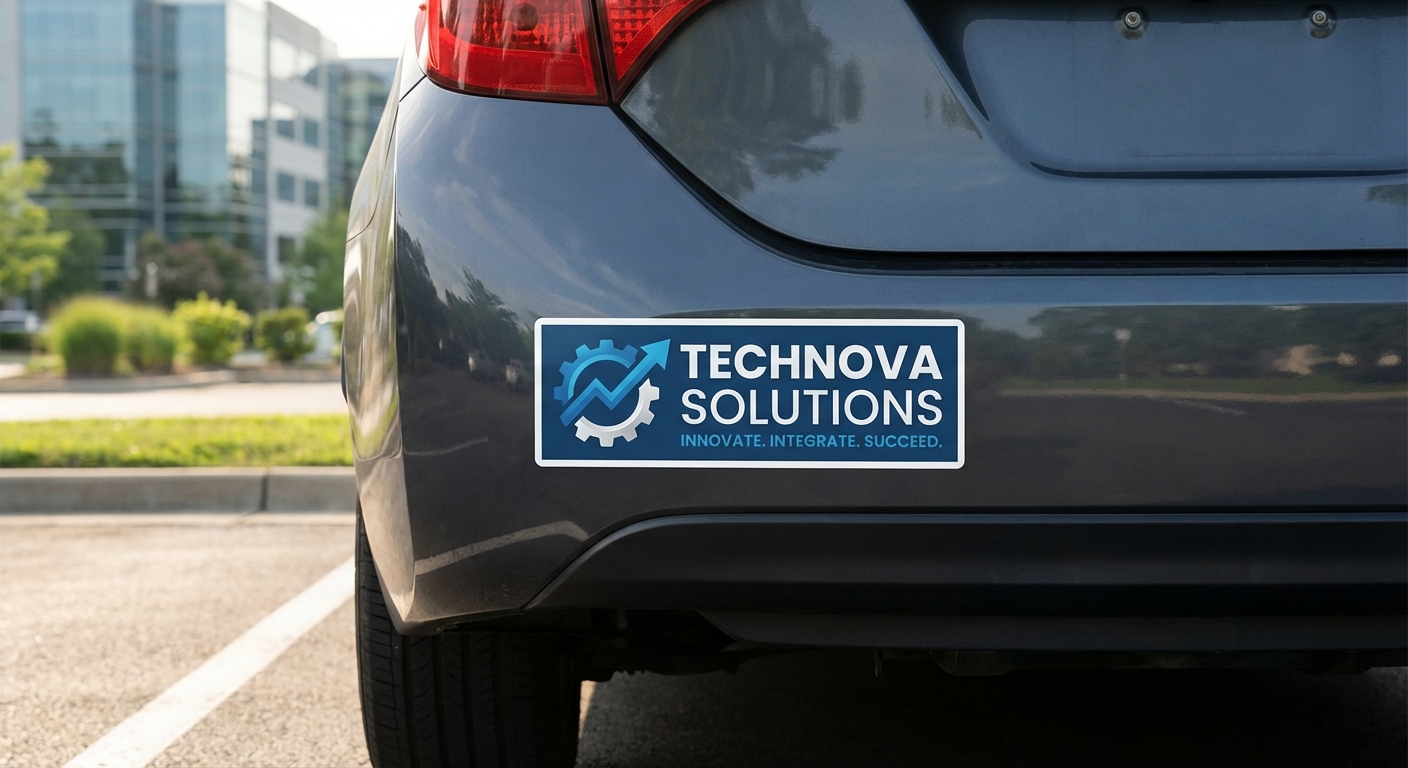
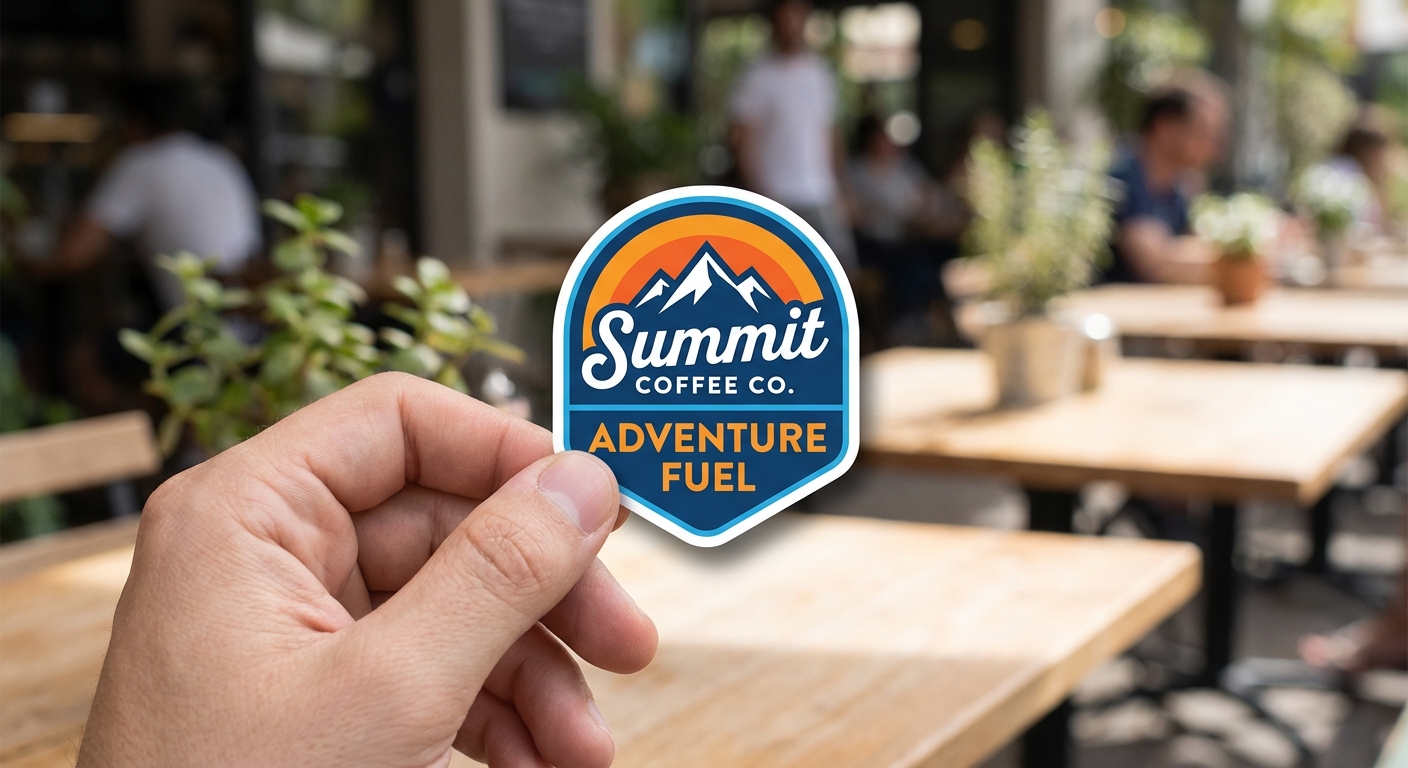
Bumper sticker layout comes down to three decisions: shape, dimensions, and where it's actually going on the vehicle. A traditional rectangular strip around 3x10 or 4x12 inches works for most bumpers and tailgates, but die-cut shapes that trace your logo or graphic tend to stand out more because they don't look like a generic sticker someone slapped on. Die-Cut Stickers can be produced in custom contours from 2"x2" up to 12"x12", which gives you room to design something unconventional, like a badge, mascot outline, or wordmark with irregular edges.
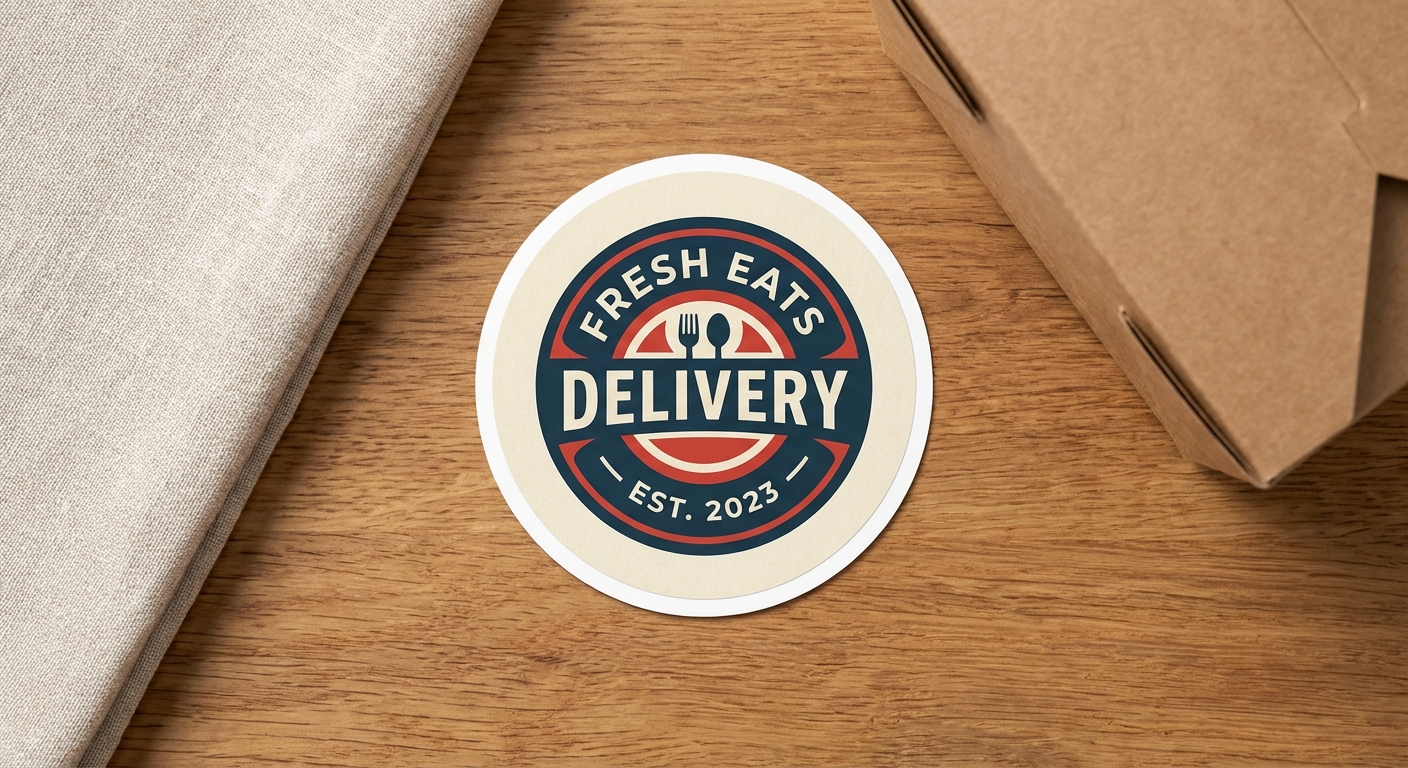
Circles are worth considering too, especially for logos, event badges, or anything that needs a clean, symmetrical frame. A round layout also tends to photograph well if you're posting the finished vehicle on social media, which matters for bands, shops, and brands using stickers as informal marketing.
Placement affects legibility as much as the design itself. Keep text away from bumper creases, trim lines, or anywhere the panel curves sharply, since vinyl can wrinkle over tight contours unless you've chosen a material rated for it. For businesses outfitting a fleet or branding company vehicles, the car stickers use case page breaks down placement strategy for different vehicle types, and custom vinyl stickers offer sizing flexibility up to 120"x50" if you're thinking beyond the bumper entirely.
Choosing Material and Finish for Outdoor Durability
A bumper sticker lives outside permanently, exposed to sun, rain, road salt, and repeated car washes, so material choice isn't a minor detail. Standard Vinyl includes UV, scratch, and moisture-resistant lamination with air release technology to prevent bubbling during install, and it's rated for 3-5 years outdoors, which covers most personalized bumper stickers. Premium Vinyl pushes that to an 8-year outdoor rating and is the better choice for daily drivers, work trucks, or anyone who wants the design to outlast the vehicle's next few oil changes.
Finish is a separate decision from material. Glossy Finish gives colors more punch and reflects light, which helps a design pop in parking lots and at stoplights. Matte Finish mutes the reflection for a more subdued, rugged look, which a lot of outdoor and off-road brands prefer. If you're designing for a Jeep, truck, or off-road vehicle specifically, the how to make Jeep stickers guide covers material and placement considerations unique to rougher terrain and frequent washing.
Cut style also plays into durability and looks. Die-Cut follows the exact outline of your artwork for a built-in, factory-applied appearance, while Kiss-Cut leaves a bit of backing around the shape, which some buyers prefer for easier handling during application. Either way, adding UV + Scratch protection on top of the base lamination is worth it for anything that's going to sit in direct sun for years.
Material Comparison for Custom Bumper Stickers
Here's how the three vinyl options stack up for outdoor, on-car use.
| Material | Outdoor Durability | Best For |
|---|---|---|
Economy Vinyl | Up to 3-5 years with proper care | Laptops, water bottles, short-term or indoor decals |
Standard Vinyl | 3-5 year outdoor rating, UV/scratch/moisture laminate | Everyday car and truck bumper stickers, outdoor signage |
Premium Vinyl | Up to 8 years outdoor rating | Daily drivers, work trucks, contoured or marine surfaces |
Shop Custom Bumper Stickers and Related Car Decals
Every product below ships printed with your artwork, ready to apply. Pick the shape and material that fits your design and your bumper.
Ready to Put Your Design on the Road?
Upload your artwork, pick a size and material, and we'll print and ship your custom bumper stickers for cars in as little as 2 business days with rush production. Minimum order is just 1 unit, with tiered pricing once you hit 50 or more.