Understanding the real temperature range for stickers, from freezing cargo trailers to sun-baked bumpers
Custom stickers get applied to a lot more than laptops. They end up on cooler lids, delivery trucks, hard hats, boat hulls, and windshields that bake in summer heat or sit through winter freezes. Knowing the temperature for stickers you're buying, both for application and long-term exposure, is the difference between a sticker that lasts for years and one that peels, cracks, or fades within months. This guide breaks down heat resistant stickers, cold weather stickers, and what actually happens to vinyl when the mercury swings in either direction.
How Temperature Affects Vinyl Sticker Materials
Heat Resistant Stickers vs. Cold Weather Stickers
Clear stickers deserve a specific mention here. Because they're often used on glass, packaging, or car windows, temperature swings between a hot parked car and a cold morning can stress the adhesive bond more than on a flat, opaque surface. Reading up on clear stickers and their benefits helps set expectations for where they perform best. For window-specific applications, our car window stickers guide covers install timing and temperature tips in more depth.
Why the Surface Matters as Much as the Air Temperature
Sticker Material Temperature and Durability Comparison
Here's how our core vinyl materials stack up when it comes to outdoor durability and temperature performance, so you can match the right material to your climate and use case.
| Material | Outdoor Durability | Best Temperature Use Case | Ideal For |
|---|---|---|---|
| Economy Vinyl | 3-5 years with proper care | Mild indoor and light outdoor exposure | Laptop stickers, water bottles, novelty items |
| Standard Vinyl | 3-5 years outdoor rated | Moderate seasonal heat and cold with UV and moisture protection | Outdoor signs, car stickers, everyday exterior use |
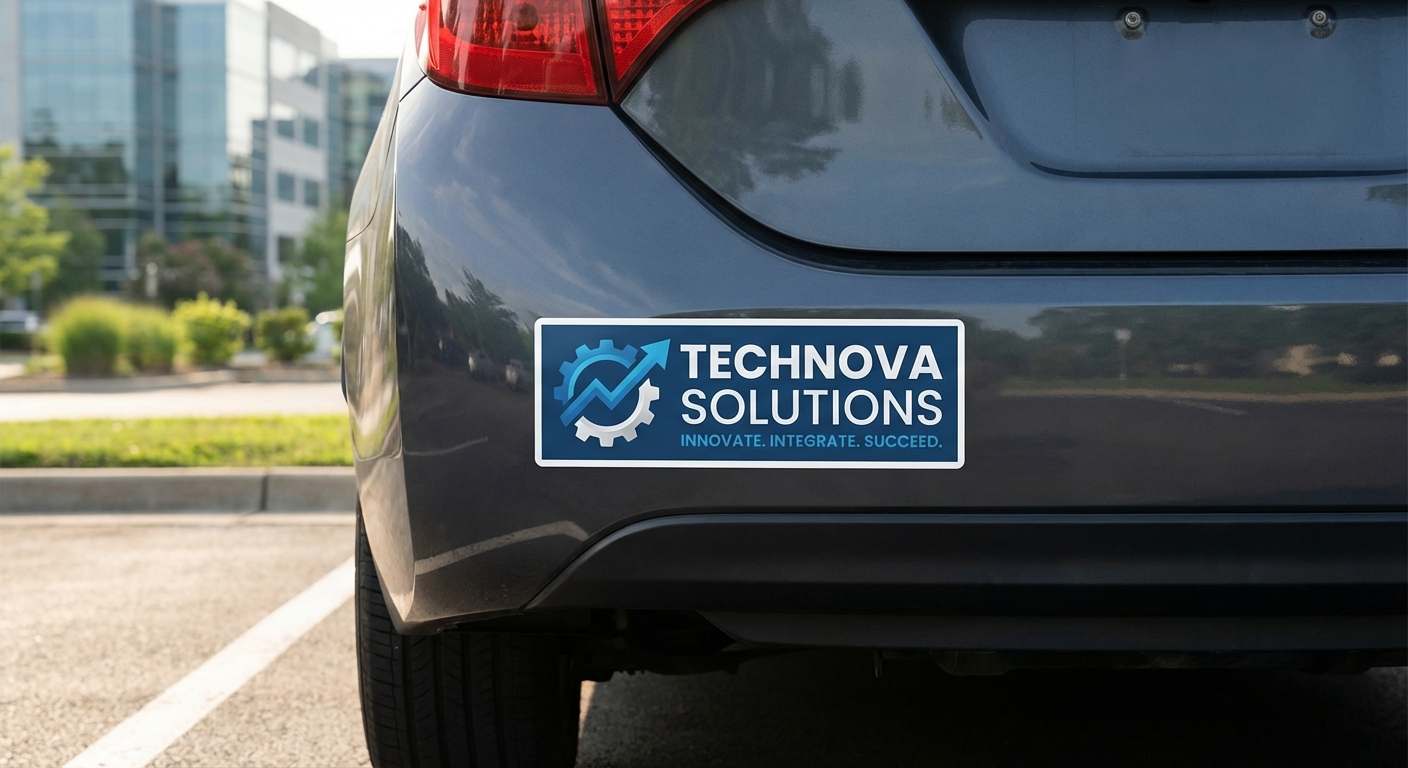
| Premium Vinyl | Up to 8 years outdoor rated | Widest tolerance for heat, cold, sun, and moisture cycling | Truck graphics, contoured surfaces, marine applications |
Common Questions About Sticker Temperature Ratings
- What stickers can withstand heat?
- Standard Vinyl and Premium Vinyl stickers hold up best in high heat. Both use UV, scratch, and moisture-protective lamination rated for years of outdoor use, and Premium Vinyl carries up to an 8-year outdoor durability rating, making it the strongest choice for surfaces that sit in direct sun or near heat sources like engine bays, grills, or equipment housings. Economy Vinyl can handle moderate warmth but isn't built for prolonged high-heat exposure the way the reinforced materials are.
- What temperature can you apply vinyl stickers?
- Most vinyl stickers apply best when the surface and air temperature sit between 50°F and 90°F. Applying below that range makes the adhesive stiff and less tacky, so the sticker won't bond fully. Applying above that range, especially on hot metal or plastic, can cause the adhesive to grab too fast and trap air bubbles before you've positioned the sticker. Our step-by-step guide on how to install a sticker covers surface prep and timing in more detail.
- Does heat affect stickers?
- Yes, both the adhesive and the printed graphic respond to heat. Extended exposure to high temperatures can soften adhesive, cause edge lifting, or accelerate ink fading if the sticker isn't UV-laminated. This is why outdoor-rated materials like Standard Vinyl and Premium Vinyl matter for anything mounted on vehicles, signage, or outdoor stickers that face daily sun exposure.
- How long do stickers last before they should be used?
- Unapplied stickers stored flat, out of direct sunlight, and at room temperature can last well beyond a year without losing adhesive strength. Once applied outdoors, lifespan depends on the material: Economy Vinyl runs 3-5 years with proper care, Standard Vinyl matches that range with added moisture protection, and Premium Vinyl is rated for up to 8 years outdoors.
- Do stickers crack in cold weather?
- Cheap, unlaminated vinyl can become brittle and crack when temperatures drop well below freezing, especially if it's flexed or bent while cold. Our vinyl materials are laminated to resist this, but for anything going on a car, cooler, or piece of equipment that sees winter conditions, Standard Vinyl or Premium Vinyl is the safer bet over economy-grade material.
- Are there stickers rated for extreme outdoor conditions?
- Yes. Premium Vinyl is built specifically for tough outdoor projects, including car and truck graphics, contoured surfaces, and marine applications where salt, sun, and temperature swings all come into play. It carries the longest outdoor durability rating in our lineup.
- Can I get bulk pricing on heat resistant or cold weather stickers?
- Yes. Orders of 50 units or more unlock tiered pricing across all our sticker types, including die-cut stickers and bumper stickers made with Standard or Premium Vinyl. Minimum order is just 1 unit, so you can test a single sticker in the material you need before scaling up.
Sticker Products Built for Real-World Conditions
 Vinyl Stickers
Large Vinyl Stickers
Scales with size, from 2"x2" up to 120"x52"
Shop on Stickers.com