
Two popular sticker backing types, one straightforward answer once you know how each one peels.
If you've been comparing crack and peel vs kiss cut stickers and aren't sure which backing fits your project, you're not alone. Both are custom-printed, both ship ready to apply, and both are built to last outdoors or in. The difference comes down to how the backing separates from the sticker and how that affects application speed, sheet layout, and everyday handling. Every sticker we produce is printed to order with your artwork and shipped directly to you.
Common Questions About Crack-and-Peel and Kiss-Cut Stickers
- What's the actual difference between crack-and-peel and kiss-cut stickers?
- Crack-and-peel stickers use a split-back liner. You bend or 'crack' the backing down the middle, and it separates into two pieces so you can lift the sticker out from the center. Kiss-cut stickers are cut through the top vinyl layer only, leaving the sticker sitting on top of one continuous backing sheet that you peel away in a single motion, similar to peeling tape off a roll.
- Which backing is easier for a beginner to use?
- Kiss-cut stickers are generally easier for first-time buyers because there's only one peeling motion per sticker and no need to locate a split line. Crack-and-peel stickers take a bit more practice to bend and separate cleanly, but they're a common choice for larger single stickers like car decals and bumper graphics where a sheet format isn't practical.
- Does the backing type change how long my stickers last outdoors?
- No, backing type doesn't affect durability, the vinyl and lamination do. Both crack-and-peel and kiss-cut stickers are available in Economy, Standard, and Premium vinyl, with Premium rated for up to 8 years outdoors. Choose your material based on where the sticker will live, not how it peels off the liner.
- Can I order crack-and-peel or kiss-cut stickers in bulk for my business?
- Yes. Minimum order quantity is 1 unit, and tiered pricing kicks in at 50+ units for both backing types. Businesses printing logo stickers, packaging labels, or bulk order stickers for events often choose kiss-cut sheets to keep per-unit costs down while still peeling individually.
- How fast will my order arrive?
- Standard production is 3 business days for both crack-and-peel and kiss-cut stickers, with rush options as fast as 1 business day for an added fee, plus shipping time. Production speed is the same across backing types since it depends on the print and lamination process, not how the sticker is cut.
- What file format do I need for my artwork?
- We recommend high-resolution PNG, PDF, or vector AI/EPS files with a transparent background for die-cut shapes. The file prep is identical whether you're ordering crack-and-peel or kiss-cut, since the cutline is applied after your artwork is uploaded and reviewed.
- How should I store sticker sheets or rolls before I use them?
- Keep unused crack-and-peel and kiss-cut stickers flat, out of direct sunlight, and in a dry area. Avoid folding sheets or rolling crack-and-peel stock too tightly, since repeated bending can weaken the adhesive backing before you're ready to apply it.
Crack-and-Peel vs. Kiss-Cut: What Sets Them Apart
The term 'kiss cut' refers to how the cutting blade is calibrated. It slices through the sticker's vinyl and laminate layer but stops just short of cutting through the paper backing underneath. That's the 'kiss,' a light touch that separates the design without slicing the liner. The result is a sticker shape sitting ready to lift off a single sheet, which is why kiss-cut stickers are the go-to for sticker packs, sheets of logos, and multi-design orders.
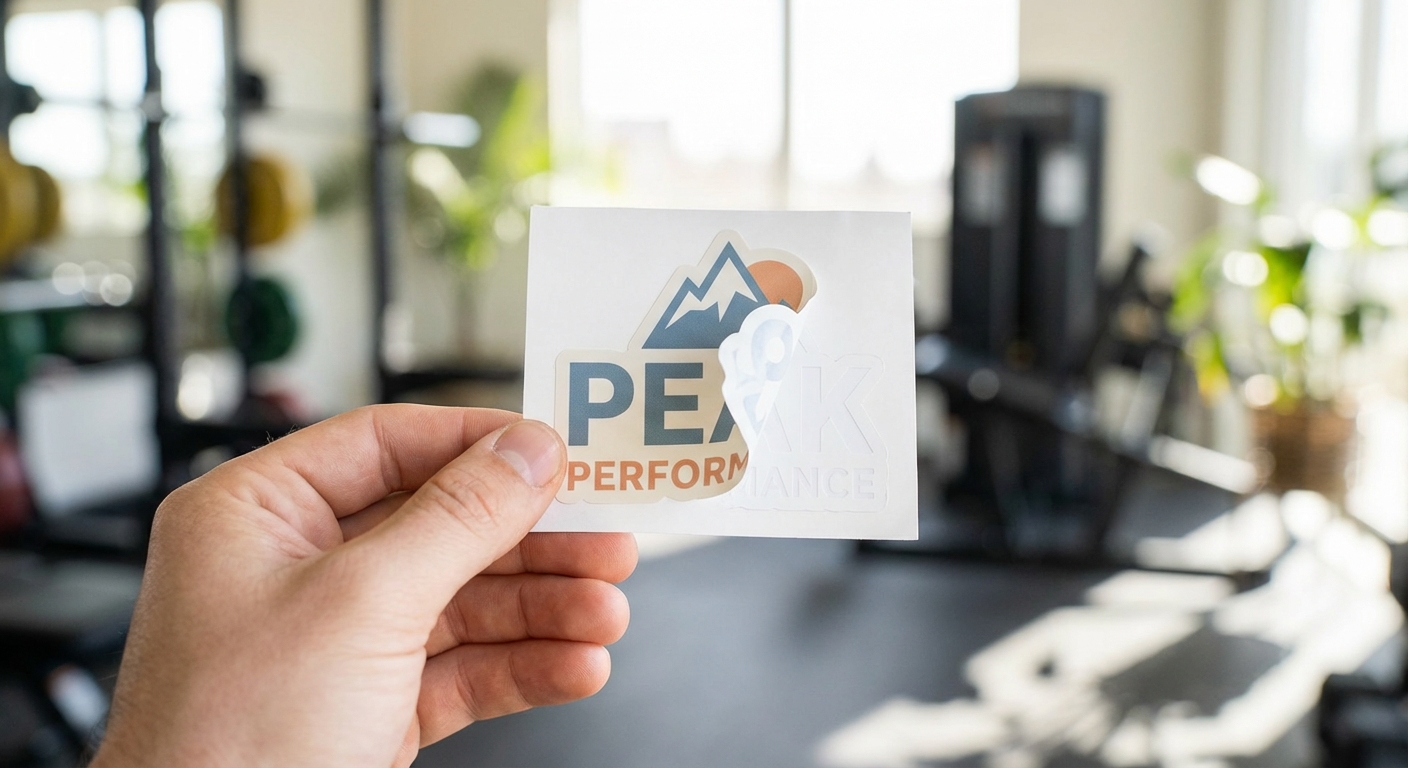
Crack-and-peel stickers work differently. The backing itself is split down the middle (a split-back liner), so instead of peeling one continuous sheet, you crack the backing at that seam and pull the two halves away in opposite directions. This method is common on single large stickers, like a full bumper sticker or a big die-cut sticker, where a one-piece backing would be harder to remove without creasing the vinyl. Crack-and-peel stickers are a great option for customers who want the clean, custom-cut appearance of a die-cut sticker with the easy backing removal of a kiss-cut sticker, without the extra backing material surrounding the design. If you want a deeper breakdown of how the split-back method compares to other cutting styles, our die-cut vs. kiss-cut guide covers it in more detail.
How Kiss-Cut Sticker Sheets Work (and Why Sellers Like Them)
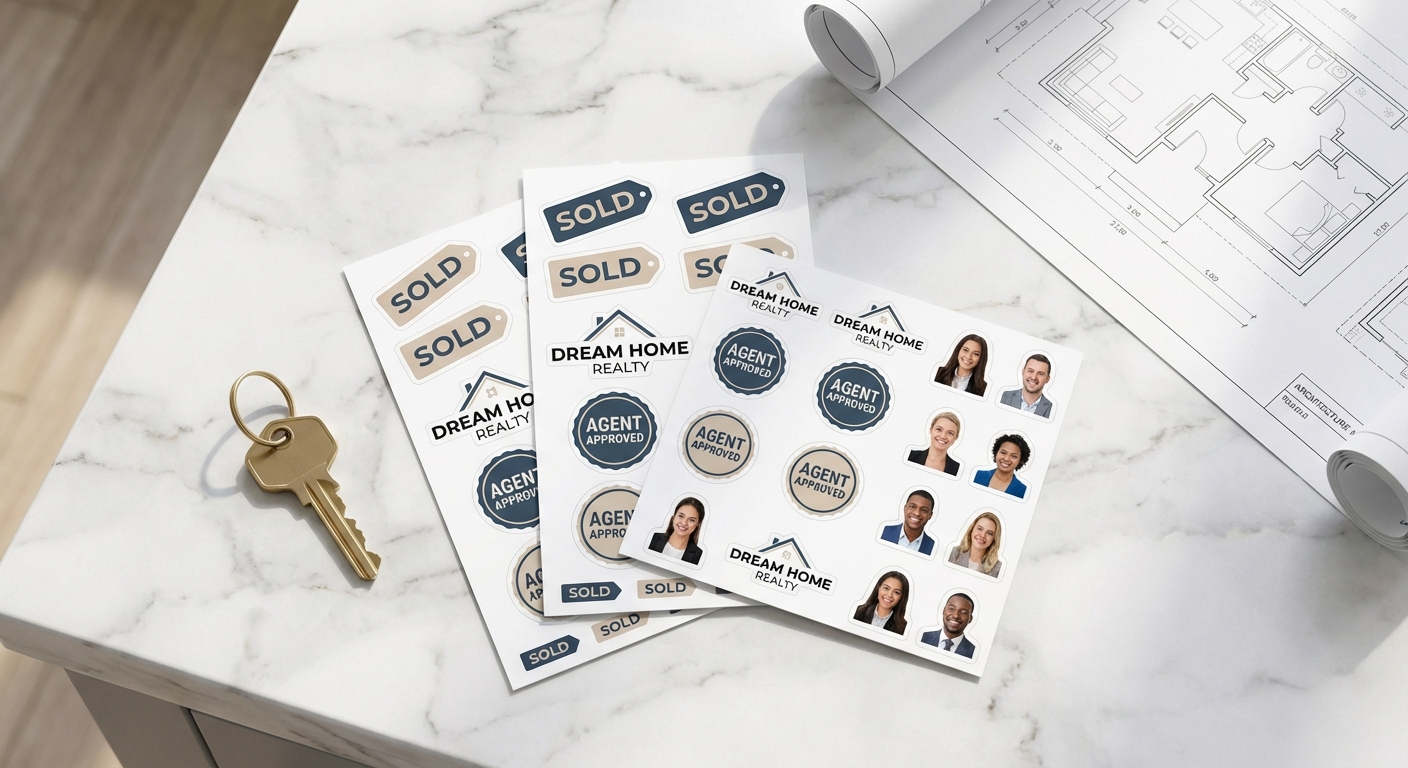
Kiss-cut sticker backing shines when you're printing more than one design per order. A single sheet can hold multiple shapes, each individually peelable, which is exactly why Etsy sellers, crafters, and content creators lean on kiss-cut stickers for product packs and merch drops. You print once, ship one sheet, and the customer peels off exactly what they need.
If you're printing an entire catalog of small designs on one page, custom cut sticker sheets extend this idea further, letting you lay out several different shapes on a single 8.5x11 sheet. For step-by-step tips on getting the most out of a sheet format, our guide on how to use sticker sheets walks through layout, spacing, and peeling order.
Vinyl Stickers, Decals, and Printable Paper: Clearing Up the Confusion
A few common questions come up once people start comparing backing types. Are vinyl stickers the same as decals? Functionally, yes, in most everyday use 'decal' and 'vinyl sticker' describe the same adhesive, printed product, the terms are used interchangeably for car graphics, wall art, and signage. What matters more is the material and cut method, not the label.
Another frequent question: what's the difference between printable sticker paper and printable vinyl? Sticker paper is typically a thinner, less durable stock meant for indoor use, think classroom labels or short-term packaging. Printable vinyl, like the custom vinyl stickers we produce, is laminated and weather-rated for outdoor exposure, scratches, and moisture. If your stickers are going on a water bottle, laptop, or vehicle, vinyl is the better long-term paper type, full stop.
For anyone weighing crack-and-peel against other cut styles for the first time, our crack-and-peel stickers blog post and our what are kiss-cut stickers explainer both go deeper into when each backing makes sense for a given project.
Crack-and-Peel vs. Kiss-Cut: Side-by-Side Comparison
Here's how the two backing types stack up across the factors that matter most when you're choosing between them.
| Feature | Crack-and-Peel Stickers | Kiss-Cut Stickers |
|---|---|---|
| Backing Type | Split-back liner, peels in two pieces | Single continuous liner sheet |
| Peeling Method | Crack the backing seam, then pull apart | Peel one piece off the backing sheet |
| Best For | Single large stickers, bumper stickers, car graphics | Multi-design sheets, logo packs, sticker sets |
| Typical Layout | One sticker per backing | Multiple stickers per sheet |
| Ease for First-Time Buyers | Takes a little practice | Simple, one-step peel |
| Available Materials | Crack and Peel Vinyl (standard) | Economy, Standard, or Premium Vinyl |
| Outdoor Durability | Up to 3-5 years with Standard Vinyl | Up to 8 years with Premium Vinyl |
| Common Buyers | Vehicle owners, outdoor signage users | Etsy sellers, brands, schools, teams |
Shop Crack-and-Peel and Kiss-Cut Sticker Options
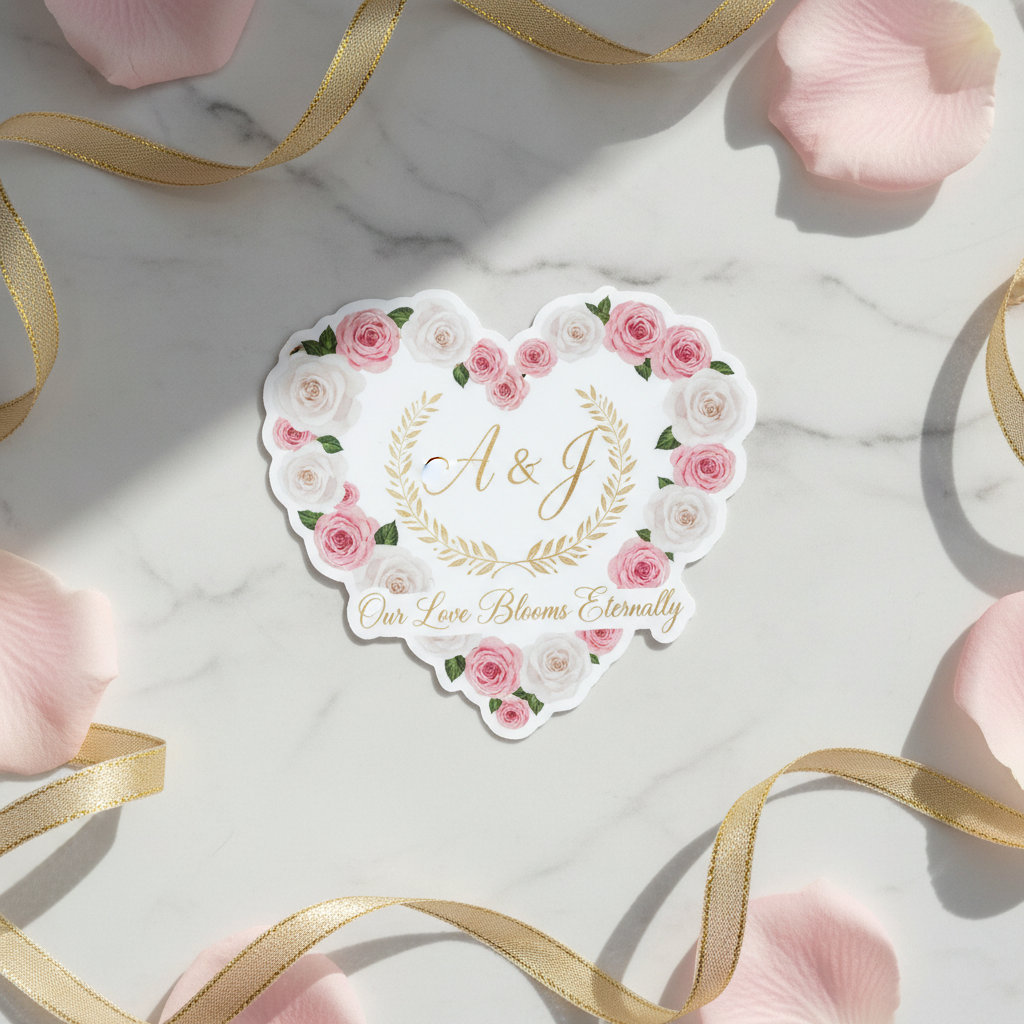
Browse the exact products referenced in this comparison, each printed to order and shipped ready to apply.

Ready to Order Your Stickers?
Now that you know how crack and peel vs kiss cut stickers compare, pick the backing that fits your project and upload your artwork. Every order is printed to your specs and shipped directly to you, no minimums beyond a single unit, with bulk pricing available for larger runs.