
The real story behind heat resistant stickers, sun exposure, and adhesive breakdown
Stickers on a dashboard, a cooler lid, or a piece of outdoor equipment don't just deal with rain and scratches. Heat is one of the biggest threats to a sticker's lifespan, and it works differently than UV fading or moisture damage. Understanding how vinyl and adhesive respond to high temperatures helps you choose the right material before you print, not after your sticker bubbles or slides off in the sun.
How Heat Affects Vinyl Stickers and Adhesive Performance
A sticker is really two materials working together: the printed vinyl film and the pressure-sensitive adhesive underneath it. Heat affects each one differently. The vinyl film itself is fairly stable under normal temperature swings, but the adhesive layer is a polymer designed to stay tacky and pliable within a specific temperature range. When that range is exceeded, the adhesive softens too much, loses its grip on the surface, and can start to ooze at the edges of the sticker.
This is why sun exposure alone rarely destroys a sticker overnight, but sun plus heat together does more damage. UV rays break down the color layer and laminate over time, while the accompanying heat softens the adhesive underneath. On a car parked outside all summer, both effects are happening at once, which is why cheaper novelty-grade vinyl fails faster on vehicles than it does on an indoor water bottle or laptop.
Humidity adds a third variable. Heat combined with moisture can cause condensation to form under a poorly sealed sticker, which speeds up edge lifting. Choosing a material with a protective laminate layer helps block moisture from getting between the print and the adhesive in the first place.
Choosing the Right Vinyl for Hot Weather and Sun-Exposed Stickers
Not every sticker needs to be built for heat. A laptop sticker or a one-time event sticker can get by with Economy Vinyl, which offers a 3 to 5 year lifespan with proper care and is fine for indoor items like water bottle labeling or novelty applications. It's not laminated for serious outdoor punishment, so it's a poor match for anything that lives in a hot car or sits outside.
Standard Vinyl is the workhorse for hot weather stickers. It comes with UV, scratch, and moisture protective lamination, carries a 3 to 5 year outdoor durability rating, and includes air release technology so the sticker lays flat without trapped air bubbles that can trap heat and moisture against the adhesive. This is the material most buyers choose for outdoor signs and car stickers that need to survive direct sun.
Premium Vinyl is built for the toughest conditions: contoured surfaces, marine environments, and vehicles that sit outside year-round. It carries the same UV, scratch, and moisture protective lamination as Standard Vinyl but is rated for up to 8 years outdoors, making it the go-to pick for die-cut stickers applied to trucks, trailers, or job-site equipment that face constant heat and sun. Pairing either Standard or Premium Vinyl with the UV + Scratch protection add-on gives extra insurance against fading and surface abrasion in climates that run hot for most of the year.
Common Heat Exposure Scenarios: Cars, Grills, Exhaust Pipes and Candles
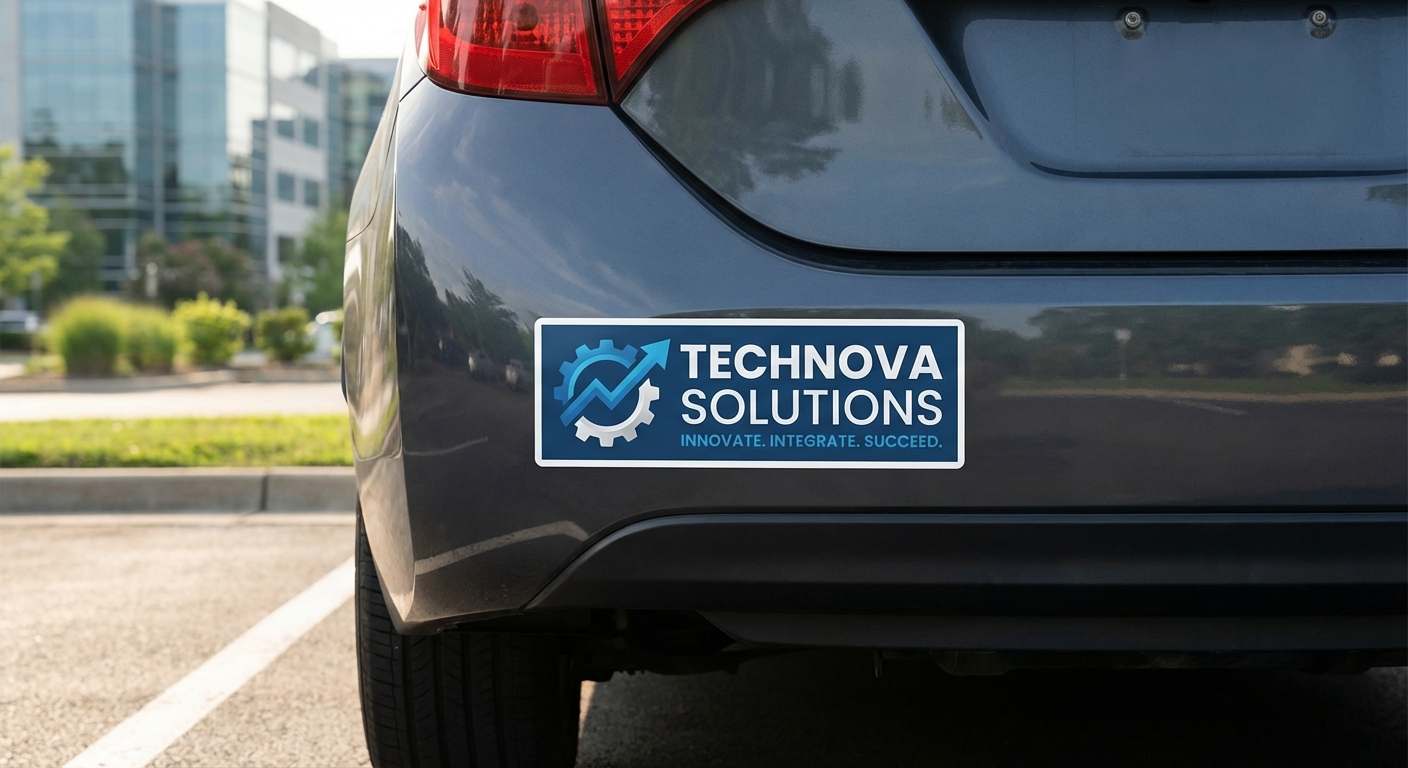
A lot of the confusion around heat resistant stickers comes down to placement. For vehicles, dashboard and rear window stickers face intense heat buildup on hot days, sometimes exceeding what's comfortable to touch. If you're labeling glass, Front-Adhesive Stickers are a smart option because the adhesive sits against the inside of the window with the print facing out, keeping the sticky layer shielded from direct sun and rain. Our car window sticker guide covers sizing and placement in more detail.
For grills, exhaust pipes, and other components that generate real heat during use, the answer is placement, not a special adhesive. No pressure-sensitive vinyl sticker, no matter the grade, is meant to sit directly on a surface that gets hot enough to sear food or glow from friction. Brand these products by placing stickers on housings, control panels, or trim pieces that stay near ambient temperature instead of on the heat-generating surface itself.
Candles fall into a similar category. Apply stickers to the outer glass wall of the jar, not the lid or the wax surface, and size the sticker so it clears the area that warms up as the candle burns. Clear Stickers work well here since they let the candle color show through around the printed sticker, and custom cut sticker sheets are useful if you're batch-labeling multiple jar sizes at once.
Outdoor & Heat Exposure Durability by Material
The material you choose for your sticker has more impact on heat and sun performance than almost anything else in the order. Here's how our four core sticker materials compare when it comes to standing up to hot cars, direct sunlight, and everyday heat exposure.
| Material | Lamination / Protection | Outdoor Lifespan | Best For |
|---|---|---|---|
Economy Vinyl | Clear UV-protective laminate, matte or gloss finish | 3-5 years with proper care (indoor-focused) | Laptop stickers, water bottle labeling, and other novelty or indoor applications |
Standard Vinyl | UV, scratch, and moisture protective lamination with air release technology | 3-5 years outdoor durability | Outdoor signs, car stickers, and general hot weather or sun-exposed applications |
Premium Vinyl | UV, scratch, and moisture protective lamination with air release technology | Up to 8 years outdoor durability | Trucks, trailers, job-site equipment, contoured surfaces, and marine applications |
Clear Stickers | Transparent film, no background color, cut to your artwork's shape | Best suited for indoor use or glass surfaces shielded from direct heat buildup | Candle jars, product packaging, and glass surfaces where the sticker should blend in rather than sit on top |
Common Questions About Heat Resistant Stickers
- What temperature can vinyl stickers actually withstand?
- Standard vinyl stickers handle everyday heat exposure well, including hot car interiors, direct sunlight, and warm climates. What they aren't built for is sustained contact with very high heat sources like engine surfaces, exhaust pipes, or open flame. In those conditions the adhesive layer softens faster than the vinyl film can hold its shape, which leads to lifting edges and adhesive residue.
- Are heat resistant stickers safe to put directly on exhaust pipes or grills?
- We don't recommend applying any pressure-sensitive vinyl sticker directly onto a hot exhaust pipe, grill grate, or other surface that reaches high temperatures during use. Pressure-sensitive adhesive is designed for surfaces that stay within normal ambient and moderate heat ranges. For branding near heat sources, apply your sticker to a nearby housing, panel, or cool-touch surface instead of the heat-generating component itself.
- Will hot weather cause my sticker adhesive to peel or bubble?
- It can, especially with lower-grade adhesive or if the sticker was applied to a dirty or oily surface. Heat softens adhesive polymers, and if there's dust, moisture, or oil trapped underneath, that softened adhesive gives it room to bubble outward. Applying to a clean, dry surface and choosing a laminated material rated for outdoor use significantly reduces this risk.
- Can I put a custom sticker on a candle or another heat-producing product?
- Yes, but placement matters. Apply the sticker to the glass exterior of the candle jar, away from the wick, wax pool, and lid area that heats up during burning. Most candle sellers use Clear Stickers or custom stickers sized to wrap the sticker area of the jar rather than the top surface.
- Do heat resistant stickers cost more than standard stickers?
- Choosing Premium Vinyl over Economy Vinyl adds a modest per-unit cost, and adding UV + Scratch protection runs an additional charge on top of that. For most buyers the price difference is small compared to the cost of reprinting stickers that fail after a few months in the sun, especially for vehicle graphics, outdoor equipment labels, or storefront stickers.
- How long will a heat resistant sticker last outdoors before it fades or lifts?
- With Standard Vinyl, expect 3 to 5 years of solid outdoor performance under normal sun and heat exposure. Premium Vinyl extends that to roughly 8 years, making it the better choice for outdoor stickers that stay on vehicles, machinery, or signage year-round rather than items brought indoors seasonally.
Stickers Built to Handle Heat, Sun and Everyday Wear
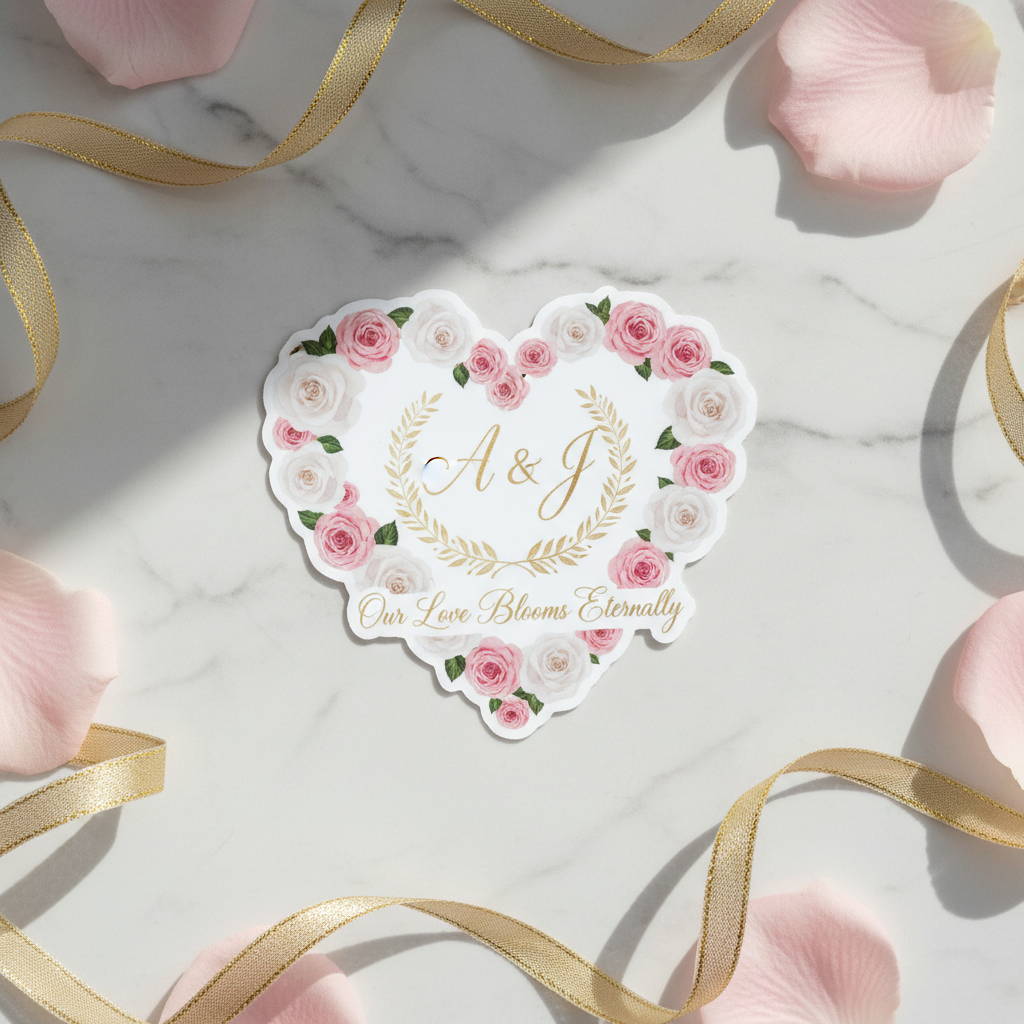
Every product below can be ordered in Standard or Premium Vinyl with UV + Scratch protection for extra performance in hot climates, outdoor placements, or vehicle applications.



Build Stickers That Can Actually Handle the Heat
Whether you're labeling products for outdoor markets, branding vehicles, or wrapping equipment that sits in the sun all day, material choice makes the difference between a sticker that lasts years and one that lifts by summer's end. Upload your artwork and select UV + Scratch protection to build a sticker that's ready for hot weather from day one.