
Yes, but moisture, temperature, and surface prep all affect how well your sticker adhesive bonds
Humid weather changes the game for sticker application. Moisture in the air interferes with adhesive tack, and condensation on a surface can stop a sticker from bonding at all. The good news is that with the right material, the right temperature window, and a few installation habits, you can apply vinyl stickers successfully even in sticky, damp conditions. This guide breaks down how humidity affects sticker adhesive, which materials hold up best, and the exact steps to get a clean, bubble-free application no matter what the forecast says.
How Humidity Affects Sticker Adhesive
Adhesive relies on direct contact with a clean, dry surface to form a bond. Humidity gets in the way of that in two ways. First, moisture in the air can settle as a thin film of condensation on cool surfaces like metal, glass, or plastic, especially when the air temperature and surface temperature (the dew point) are close together. That film sits between the adhesive and the surface and prevents proper contact. Second, high humidity itself can reduce the tack of pressure-sensitive adhesives, similar to why tape won't stick well on a damp, humid day. The adhesive doesn't fail outright, but its initial grab is weaker, which means bubbles, edge lifting, and premature peeling become more likely if you don't take precautions.
The Ideal Temperature and Conditions for Vinyl Sticker Installation
Most vinyl sticker adhesives perform best between 50°F and 90°F (10°C to 32°C). Below that range, the adhesive becomes stiff and less tacky, making it harder to press down evenly. Above that range, especially in direct sun, the vinyl can soften and stretch during application, leading to wrinkles or misalignment. High humidity can add another layer of difficulty, so if you can, apply when the surface is completely dry and out of direct sunlight. Standard Vinyl and Premium Vinyl both include moisture-protective lamination, which gives you a wider margin for error compared to unlaminated materials.
Surfaces That Give Stickers Trouble in Humid Weather
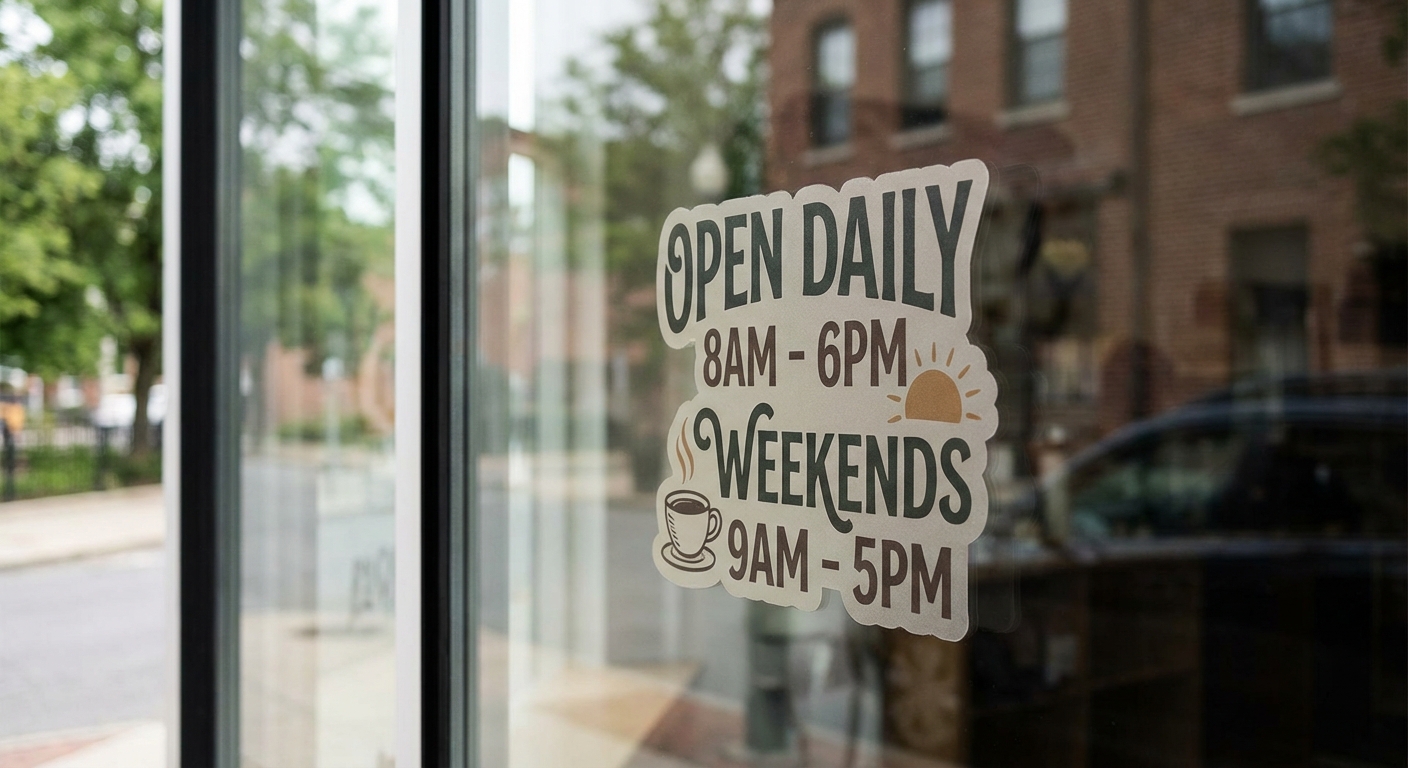
Some surfaces are naturally difficult for adhesives, and humidity makes the problem worse. Rough or powder-coated metal, textured plastic, silicone, rubber, and heavily embossed surfaces don't give the adhesive enough flat contact area to bond well. Freshly painted surfaces are another common issue, since paint continues to off-gas and cure for days or weeks, which can trap moisture underneath a sticker. Damp wood, oily equipment, and waxed or treated surfaces also resist adhesion regardless of humidity level. For glass applications like storefront windows or vehicle interiors, front-adhesive stickers are designed to adhere from the inside of the glass, which sidesteps a lot of these surface issues entirely.
Using Heat to Remove Air Bubbles and Improve Adhesion
Heat is one of the most effective tools for fixing air bubbles, and yes, a hairdryer or heat gun on a low setting can soften the vinyl and adhesive enough to let you smooth out trapped air. Hold the heat source 6 to 8 inches away, warm the bubbled area for a few seconds, and use a squeegee or credit card to push the air toward the nearest edge. Materials with built-in air release technology, like our Standard and Premium Vinyl options, make this even easier since they're engineered with microscopic channels that let air escape during application. Just avoid overheating one spot for too long, since excess heat can distort the print or weaken the adhesive layer instead of helping it.
Step-by-Step: Applying Stickers in Humid Weather
Start by checking the surface for condensation, and if it feels damp or cool to the touch, wipe it dry and let it sit for a few minutes before applying anything. Clean the area with isopropyl alcohol to remove oils, dust, or residue, then let it fully evaporate. Peel the sticker back slowly, align it against the surface without pressing down fully, and use a squeegee in overlapping strokes from the center outward. For larger vinyl stickers, work slowly and use a squeegee in overlapping strokes to press the sticker down evenly and reduce trapped air. Once placed, avoid washing or exposing the area to rain for at least 24 hours so the adhesive has time to cure. For high-traffic or outdoor placements, our large vinyl sticker options are built to handle this kind of exposure from day one.
Vinyl Material Comparison for Humidity and Moisture Resistance
Not all vinyl stickers are built for the same conditions. Here's how our three core materials compare when moisture and outdoor exposure are a factor.
| Material | Lamination & Protection | Outdoor Lifespan | Best For |
|---|---|---|---|
Economy Vinyl | Clear laminate protects against UV fading | 3-5 years with proper care | Laptop stickers, water bottles, general indoor uses |
Standard Vinyl | UV, scratch, and moisture-protective lamination with air release technology | 3-5 years outdoor | Outdoor signs, car stickers, general humid or wet climates |
Premium Vinyl | UV, scratch, and moisture-protective lamination with air release technology | Up to 8 years outdoor | Marine applications, contoured surfaces, extended outdoor use in high humidity |
Common Questions About Buying Stickers for Humid Conditions
- What sticker material holds up best in humid or coastal climates?
- Standard Vinyl and Premium Vinyl are your best options. Both come laminated with UV, scratch, and moisture-protective coatings, and Premium Vinyl carries up to 8 years of outdoor durability, which matters most in salty, humid, or rainy environments. Economy Vinyl is fine for indoor use like laptops or water bottles, but it isn't built for sustained moisture exposure.
- Do I need special artwork or file prep for stickers going in humid environments?
- No special file format is required, but we do recommend vector artwork (AI, EPS, or high-resolution PDF) so your die line stays sharp regardless of the shape. If you're planning a custom outline, our die-cut sticker guide walks through bleed, cut lines, and sizing so your artwork prints exactly as designed.
- How much do weather-resistant stickers cost, and is there a bulk discount?
- Pricing depends on size, material, and quantity. Minimum order is 1 unit, and tiered discounts kick in at 50+ pieces, which makes it affordable for bands, sports teams, or small businesses ordering a full run.
- How fast can I get stickers before a humid season or outdoor event?
- Standard production is 3 business days, with Rush Production and Express options available. Add FedEx or UPS transit time on top of that. If you're stocking up for a specific event, order a week or two ahead so weather doesn't force a rushed install.
- What's the best way to install a sticker on a humid day so it doesn't bubble or peel later?
- Dry the surface completely with a lint-free cloth first, apply in the shade rather than direct sun, and use a squeegee to push air and moisture out from the center toward the edges. Give the adhesive time to fully cure indoors before exposing it to rain or washing.
Stickers Built to Handle Humid and Outdoor Conditions
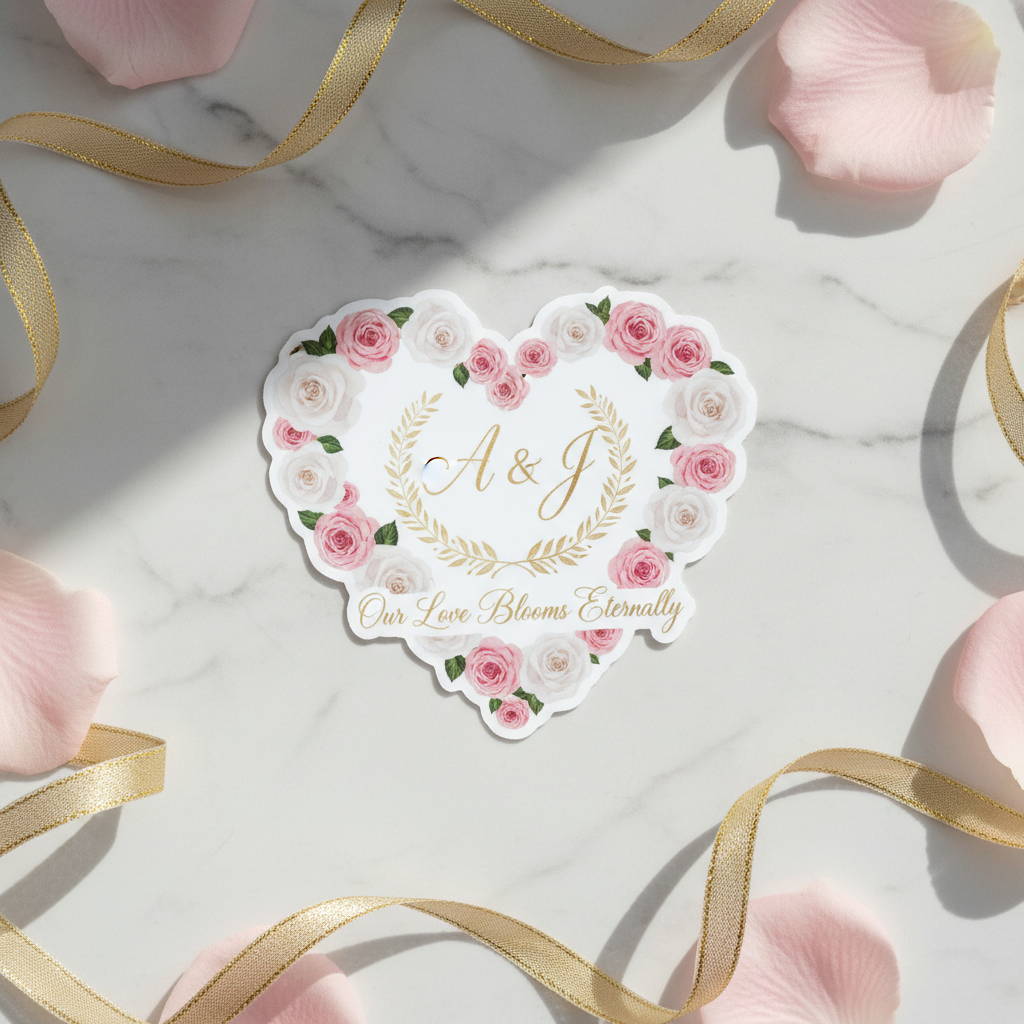
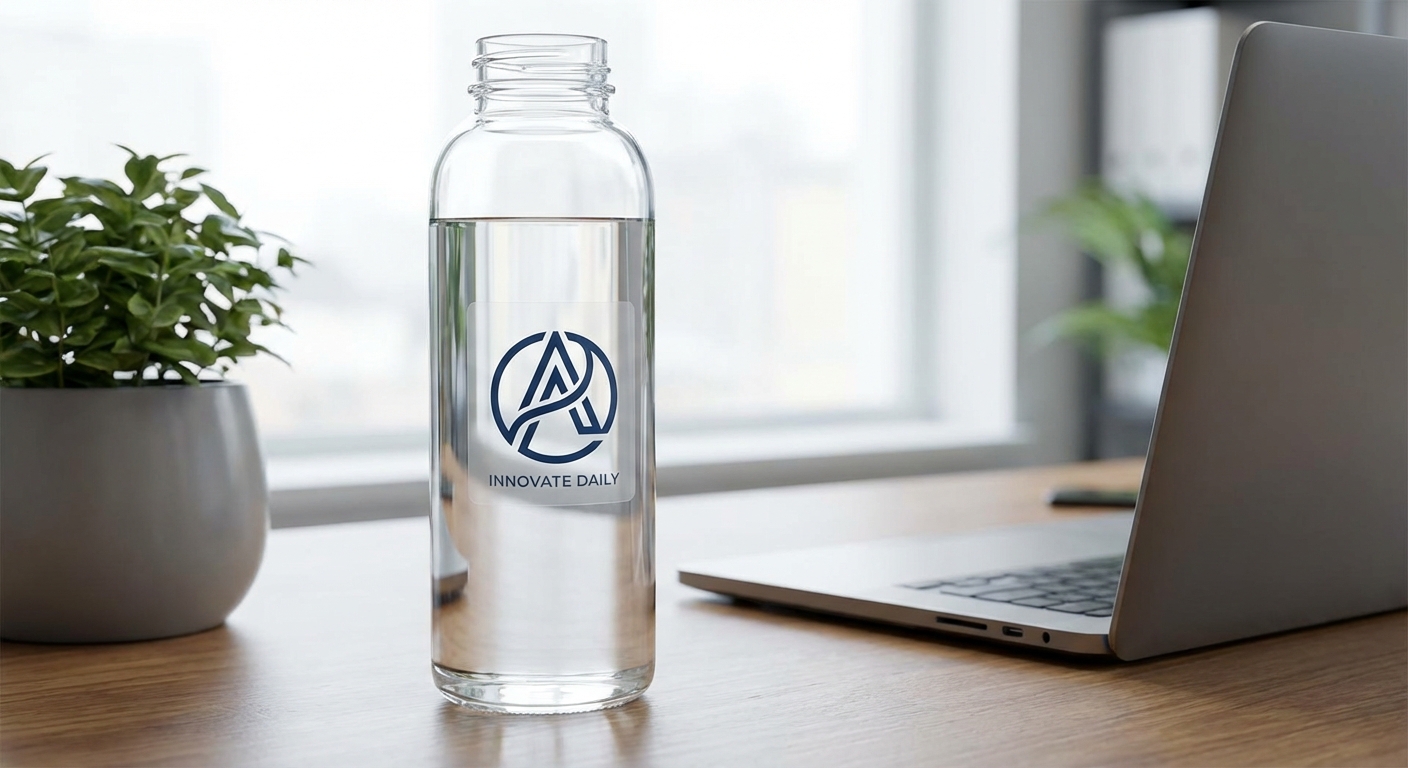
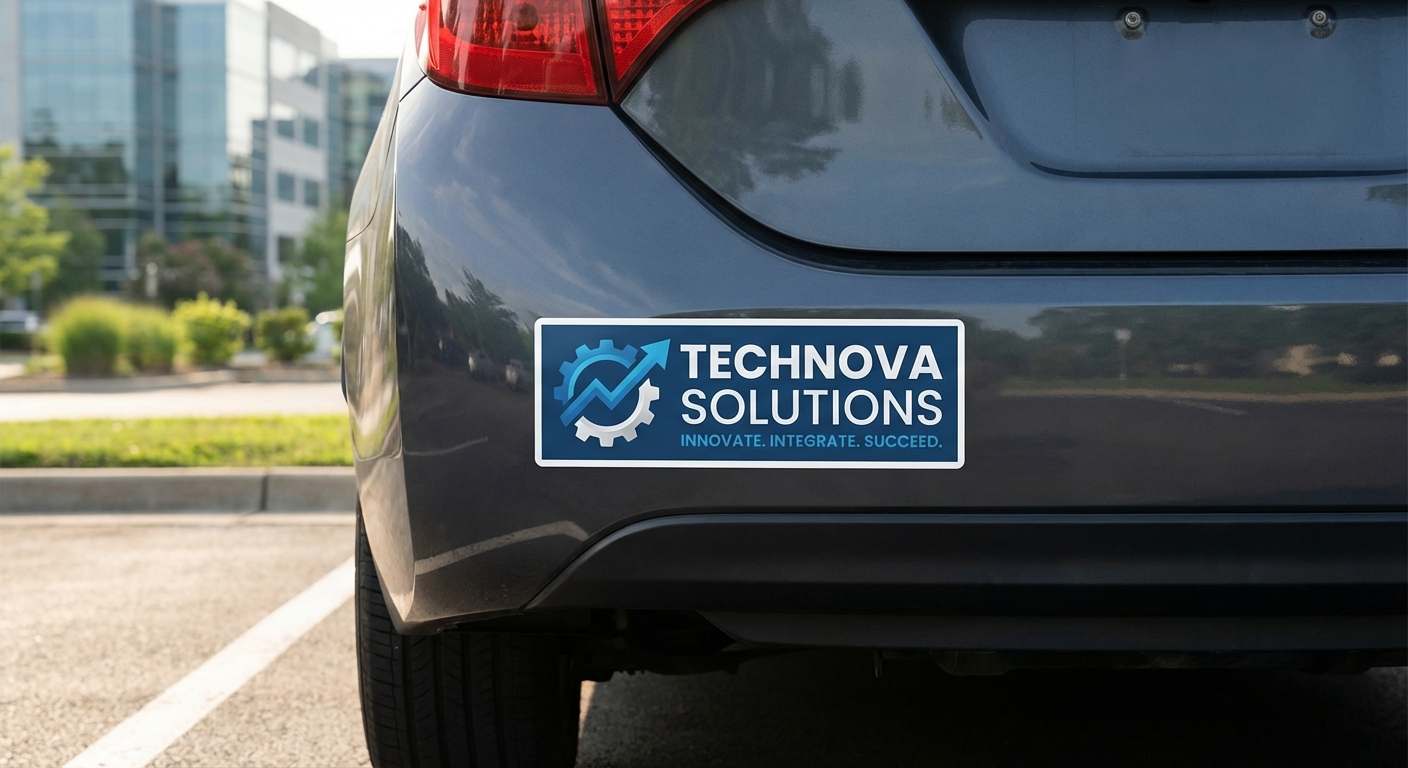
Choose a material and cut style that matches where your sticker is going. All of these are custom-printed to your artwork and shipped directly to you.

Ready to Order Stickers That Can Handle the Weather?
Simply upload your artwork, and we'll print and ship your custom stickers in as little as 3 business days. Whether you're labeling products, branding gear, or decorating for an outdoor event, we've got a vinyl option built to last.