
What food safe stickers actually means, and how to pick the right label for jars, bags, bottles, and packaging.
Short answer: standard custom stickers from stickers.com are built for the outside of food packaging, not for touching food itself. Direct food contact stickers, like the ones found on apples and pears, require specialized food-grade adhesive and ink that go through a different certification process than everyday vinyl or paper labels. If you're branding jars, pouches, cans, or boxes, stickers.com prints durable, custom labels designed to live on the outside of your packaging. If you need something that physically touches food, that's a narrower category worth understanding before you order.
Food Safe Stickers: Common Buyer Questions
- What makes a sticker "food safe," and do all your stickers qualify?
- A sticker is considered food safe only when its adhesive, facestock, and ink have been specifically formulated and tested for direct contact with edible items, following FDA food contact regulations. Our custom stickers, including our vinyl and paper options, are built for the exterior of packaging like jars, bags, and boxes, not for touching the food directly. If your project involves labeling a product's outer packaging (a honey jar lid, a coffee bag, a bakery box), our Custom Vinyl Stickers and Custom Cut Sticker Sheets are a great fit.
- Can I put custom stickers directly on fruit, baked goods, or candy?
- We don't recommend placing standard vinyl or paper stickers directly on uncovered food. Direct food contact requires certified food-grade adhesive that won't transfer chemicals or residue, plus food-safe inks that won't migrate if licked, bitten, or exposed to moisture. Our catalog is built around packaging labels, so if your product needs a sticker that touches food directly (like a produce label), that's a specialized niche product, not something interchangeable with our vinyl or clear sticker lines.
- What size and shape options work best for jar lids, cans, and food pouches?
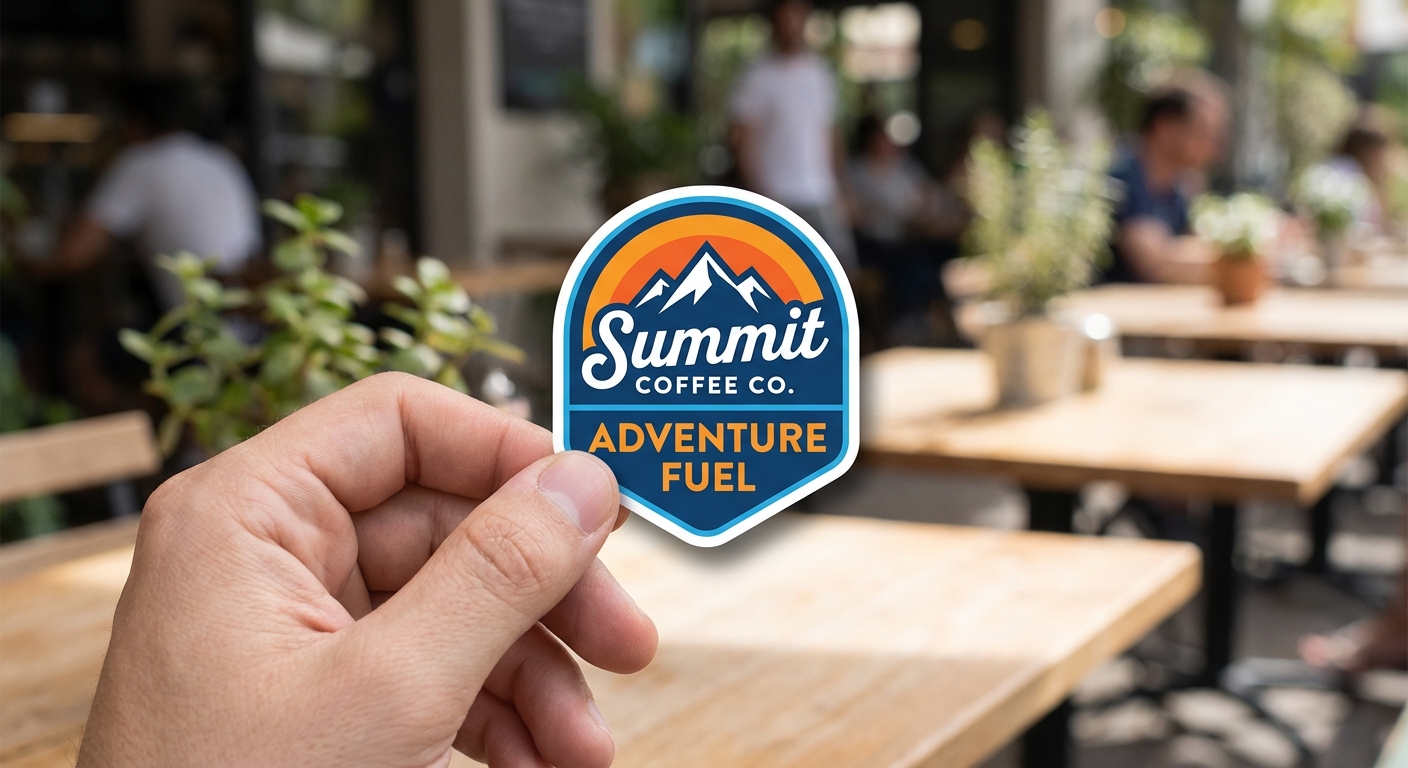
- For round jar lids and can tops, Circle Stickers in the 2 inch to 4 inch range are the most common choice. For pouches and flat-sided packaging, custom die-cut shapes that match your logo or label layout tend to look the cleanest. Sizes across our sticker lines run from 2"x2" up to 12"x12" for most die-cut and vinyl options, and up to 120"x50" for larger format front-adhesive projects. If you're labeling multiple product sizes at once, Custom Cut Sticker Sheets let you fit several label shapes onto one printed sheet.
- What file format do I need for food packaging labels?
- We work best with vector files (AI, EPS, or high-resolution PDF) for sharp text and clean die-cut lines, especially on small jar and bottle labels where ingredient lists or nutrition panels need to stay legible. If you're searching for a template or printable layout, our design team can help convert flat artwork into a print-ready file, or you can start from scratch using our Custom Stickers builder. Raster files like JPG or PNG work too, as long as they're high resolution (300 DPI or higher at final print size).
- How much do custom labels for food packaging cost in bulk?
- Pricing depends on size, material, and quantity. Minimum order is just 1 unit, but per-unit cost drops significantly once you hit 50+ pieces, which is where most food and beverage brands land for a production run. Economy Vinyl is the most budget-friendly facestock, Standard Vinyl adds moisture and scratch protection, and Premium Vinyl is built for the longest outdoor durability. Clear Stickers typically default to a 50-unit minimum given how they're produced. Request a quote through our contact page if you need exact pricing for a specific label count.
- How fast can I get food packaging stickers printed and shipped?
- Standard production runs 3 business days, and that doesn't include shipping time. If you're launching a product or restocking fast, rush options are available as quick as 1 to 2 business days for an added fee. For brands on a tighter runway (a farmers market this weekend, a product launch next month), it's worth building in a few extra days beyond production for shipping to actually land.
Food Contact Stickers vs. Food Packaging Labels: Know the Difference
A lot of confusion around food safe stickers comes down to one word: contact. There's a real difference between stickers for food packaging (labels on the outside of a jar, bag, or box) and stickers for direct food contact (a sticker physically touching an apple, a cupcake, or a piece of candy). The first category covers the custom sticker orders we produce. If you're branding kombucha bottles, labeling spice jars, sealing bakery boxes, or putting a logo on a coffee bag, you're working with food packaging sticker safety, not direct food contact. Materials like our Economy, Standard, and Premium Vinyl, along with our paper-based Custom Cut Sticker Sheets, are built and tested for exterior use on packaging, not for sitting against food itself. Direct food contact stickers, like the small oval labels found on individual pieces of produce, are a different manufacturing category entirely. Those require food-grade adhesive formulations and ink systems certified for incidental food contact, typically produced by specialty suppliers who focus exclusively on that application.
Food Grade Sticker Materials and What to Look For
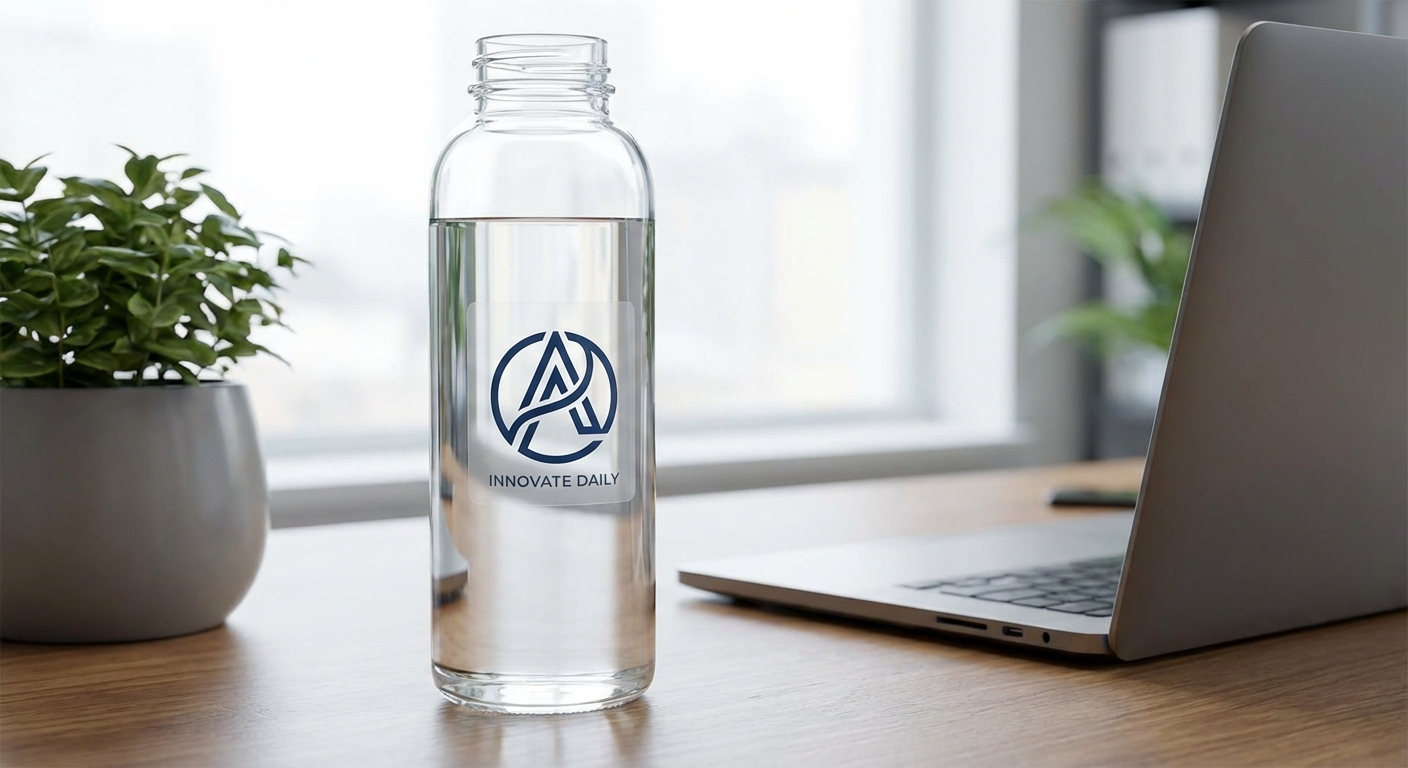
If your project genuinely requires stickers for direct food contact, look for suppliers who explicitly state FDA compliant food labels or food contact approval for the specific adhesive and facestock combination, not just the printed material in general. True food grade sticker materials go through testing for migration (whether chemicals in the adhesive or ink can transfer into food) and are typically limited in design complexity compared to standard custom stickers. For the much larger category of food packaging sticker safety, meaning labels on the outside of containers, our standard materials hold up well. Standard Vinyl offers UV, scratch, and moisture protective lamination with a 3 to 5 year outdoor durability rating, which matters for products stored in coolers, shipped in humid conditions, or displayed near windows. Premium Vinyl pushes that durability rating up to 8 years and is a strong choice for products with a long shelf life. For a clean, label-like look on glass jars or bottles, Clear Stickers create a no-label look that lets the product show through, which many food and beverage brands prefer for a premium shelf presence. Whatever material you choose, make sure it's rated for the environment your product lives in (refrigeration, freezer storage, outdoor markets) rather than assuming all vinyl performs the same way.
Food Packaging Stickers: Which Option Fits Your Use Case
Use this quick comparison to match your project to the right sticker type. Remember that all of these are built for the outside of food packaging, not for direct food contact.
| Use Case | Recommended Product | Touches Food Directly? | Typical Application |
|---|---|---|---|
Jar lids and bottle labels | Circle or Clear Stickers | No, exterior only | Honey, sauces, oils, beverages |
Bakery bags and boxes | Custom Vinyl Stickers or Die-Cut Stickers | No, exterior only | Sealing bags, branding boxes |
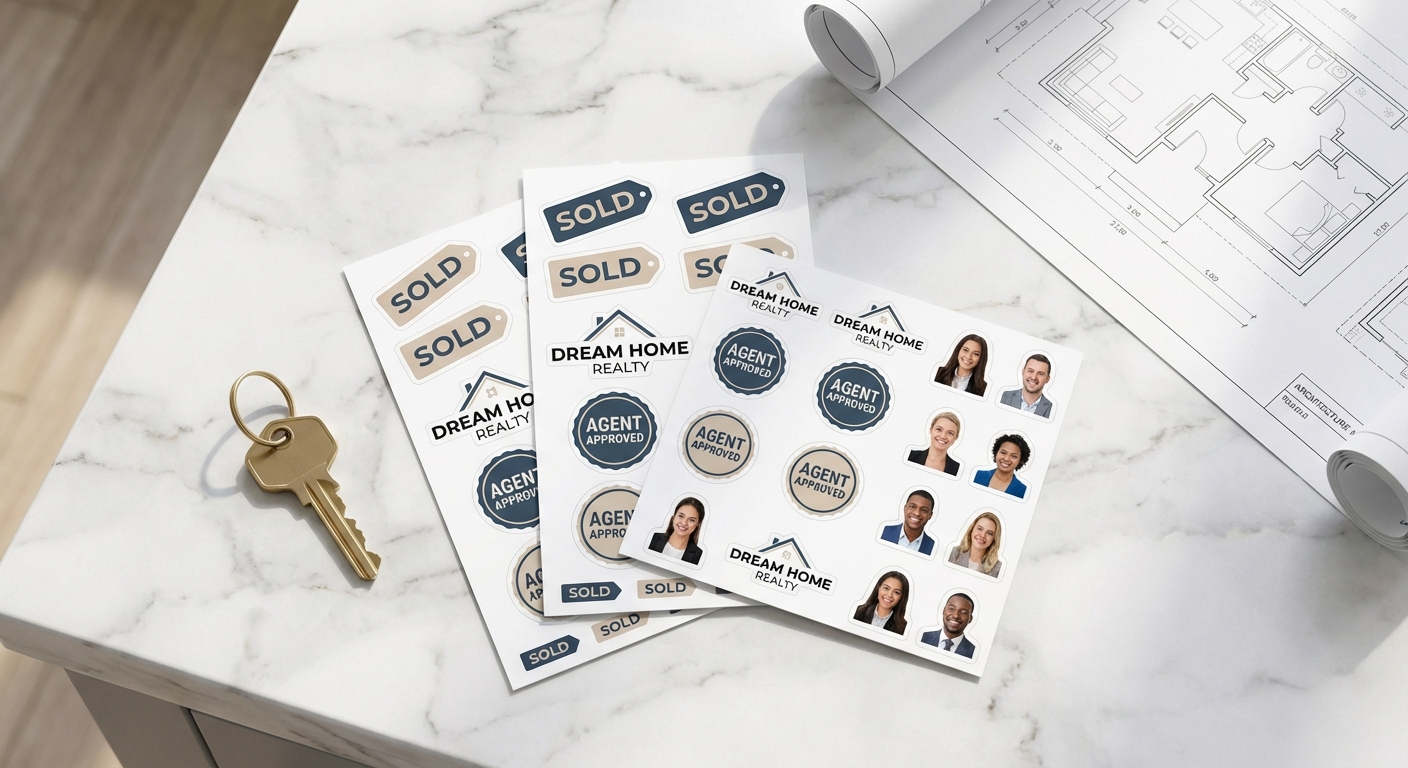
Multiple product labels at once | Custom Cut Sticker Sheets | No, exterior only | Spice jars, candle labels, bottling runs |
Outdoor markets or coolers | Standard or Premium Vinyl material | No, exterior only | Farmers market tags, cold storage products |
Stickers Built for Food Packaging
These are our most popular options for labeling the outside of food and beverage packaging. All are custom printed to order and shipped directly to you.
Label Your Packaging With Stickers Built to Last
Ready to print custom labels for your food or beverage packaging? Browse our full sticker lineup and get a quote for your exact size, material, and quantity. Every order is custom printed and shipped directly to you, no third-party processing involved.