
Understanding adhesive problems with stickers on oil-coated tools, machinery, vehicles, and equipment
If you've pressed a sticker onto a toolbox, engine cover, or greasy work surface only to watch it slide off or curl at the edges within days, you're dealing with one of the most common adhesion problems in the sticker world: oil and grease breaking the bond between adhesive and surface. Stickers not sticking to oily or greasy surfaces is almost never a sign of a defective sticker. It's a surface prep and material selection issue, and both are fixable. This guide covers why oil interferes with adhesion, how to clean a surface properly before applying a sticker, and which materials hold up best on the oiliest, greasiest surfaces you own.
What's Really Happening When Stickers Won't Stick
Every pressure-sensitive adhesive needs direct contact with the surface it's bonding to. Oil, grease, silicone-based cleaners, and even hand lotion create a microscopic barrier that prevents that contact from ever fully happening. This is why a sticker can look perfectly applied for the first hour, then start lifting at the corners within a day or two. The adhesive isn't failing; it never actually reached the surface underneath the oil film. This same principle shows up in other adhesion failures too. If you've dealt with a sticker peeling off a textured wall, the cause is related but different: it's surface porosity and texture rather than oil. You can read more about that specific scenario in our breakdown of why wall stickers won't stick. For oily surfaces, the fix starts before the sticker ever touches the surface, and it starts with proper application technique as outlined in our guide to how to install a sticker.
How to Clean Surfaces Before Applying Stickers
Surface prep is the single biggest factor in whether a sticker survives on an oily or greasy surface. Follow these steps before every application:
- Wipe the surface with isopropyl alcohol (90% or higher) on a lint-free cloth, not a paper towel, which can leave fibers behind.
- Let the alcohol fully evaporate; don't apply the sticker while the surface is still wet.
- Avoid touching the cleaned area with bare hands, since skin oils reintroduce the exact problem you just solved.
- Apply the sticker and press firmly from the center outward to force out air bubbles and maximize adhesive contact.
- Wait at least an hour before exposing the area to more oil, grease, or moisture if possible.
This same alcohol-wipe method works well on automotive glass and trim, which is covered in more detail in our car window stickers guide. Soap and water alone typically aren't enough on surfaces with heavy grease buildup, since residual soap film can interfere with adhesion almost as much as the original grease did.
Choosing Sticker Materials for Oily and Greasy Environments
Not every vinyl is built the same way. Custom Vinyl Stickers are available in Economy, Standard, and Premium Vinyl, and the material you pick matters a lot on oily surfaces. Economy Vinyl is suited to laptop stickers and indoor novelty items, not industrial or automotive use. Standard Vinyl and Premium Vinyl are built with air release technology and UV, scratch, and moisture protective lamination, and Premium Vinyl carries up to an 8-year outdoor durability rating, making it the better choice for tools, engine bays, and marine equipment that see regular oil exposure. Crack and Peel Stickers use a similar permanent vinyl adhesive and work well for general outdoor and vehicle use once the surface has been properly degreased. If the oily surface in question is actually glass, like a storefront window that collects fingerprints and exhaust residue from passing traffic, Front-Adhesive Stickers sidestep the problem entirely by adhering to the clean interior side while the print faces out.
Sticker Material Comparison for Oily and Greasy Surfaces
Here's how the main sticker materials stack up when the application surface has oil, grease, or regular hand contact to contend with.
| Material | Adhesive Strength | Outdoor Durability | Suitable for Oily/Greasy Surfaces | Typical Use |
|---|---|---|---|---|
Economy Vinyl | Light to moderate | 3-5 years | Not recommended | Laptop stickers, water bottle labels, indoor novelty items |
Standard Vinyl | Strong, permanent | 3-5 years | Good, with thorough cleaning first | Outdoor signs, car stickers, tools |
Premium Vinyl | Strongest, permanent | Up to 8 years | Best choice | Truck and car panels, marine equipment, contoured or greasy surfaces |
Common Questions About Stickers Not Sticking
- Why is my sticker not sticky anymore?
- Stickers lose their grip for a few reasons: age (adhesive dries out over time), repeated handling that transfers dust and skin oils onto the adhesive, or applying over a surface that already had a film of oil or grease on it. On oily or greasy surfaces specifically, the adhesive never fully contacts the material underneath because a thin oil layer is sitting between the sticker and the surface, so it never had a strong bond to lose in the first place. Clean the surface thoroughly and reapply with a vinyl sticker built for industrial or outdoor use rather than a thin promotional sticker.
- Why do some stickers move and some don't?
- Adhesion strength comes down to three things: the adhesive formula, the texture of the surface, and how clean that surface was at the moment of application. A sticker with a permanent acrylic adhesive on a smooth, degreased metal panel will stay put for years. The same sticker on a surface with even a light film of oil, wax, or silicone will slide around because the adhesive is bonding to the contaminant instead of the surface itself.
- Why are stickers sticky in the first place?
- Sticker adhesive is a pressure-sensitive formula that flows into the microscopic texture of a surface when you press down on it, then forms a mechanical and chemical bond as it sets. That's why rubbing a sticker down firmly after applying it actually matters, it's not just cosmetic. Oil and grease fill in that same microscopic texture before the adhesive gets the chance, which is exactly why oily surfaces cause so many adhesive problems with stickers.
- How do I make sticker adhesive stronger on oily or greasy surfaces?
- Start by degreasing the surface with isopropyl alcohol at 90% or higher, not just soap and water, which can leave its own residue behind. Let the surface dry completely, then apply the sticker and use firm, even pressure working from the center outward. For surfaces that stay oily during regular use, like engine bays, kitchen equipment, or hand tools, choose a custom vinyl sticker in Standard or Premium Vinyl with an aggressive permanent adhesive rather than an economy-grade material.
- What's the best sticker material for oily or greasy surfaces?
- Standard or Premium Vinyl with a permanent acrylic adhesive outperforms economy materials on oily surfaces by a wide margin. Premium Vinyl is rated for up to 8 years outdoors and holds up on contoured, high-exposure surfaces like truck panels, marine equipment, and shop tools. For stickers applied behind glass where oily fingerprints are the main issue rather than surface grease, Front-Adhesive Stickers solve the problem a different way by facing the print outward and adhering to the clean interior side of the glass.
- Will a sticker eventually peel off an oily surface even after I clean it?
- If the surface gets re-contaminated after installation, think shop tools or kitchen equipment handled with greasy hands daily, the edges can start to lift over time even with a solid initial bond. Choosing a thicker, premium-grade vinyl with strong edge adhesion and keeping the surrounding area degreased will extend the sticker's life far longer than a thin paper label ever could.
- Do bumper and automotive stickers need different adhesive than regular stickers?
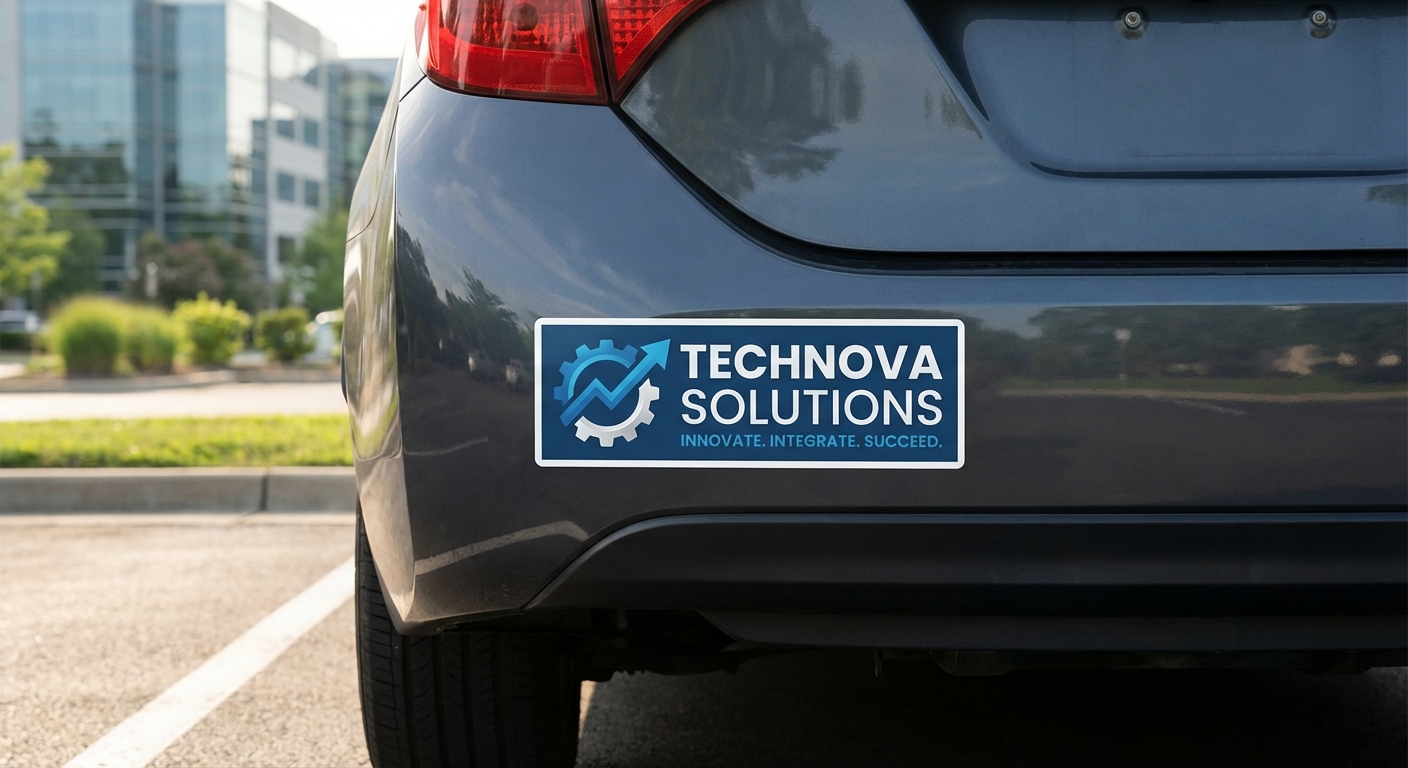
- Yes. Bumpers and panels near the engine or undercarriage are exposed to road grime, exhaust residue, and automotive grease on a regular basis. Bumper Stickers printed on durable outdoor vinyl with permanent adhesive hold up far better than standard paper stickers in these conditions, especially when the panel is wiped down with alcohol before application.
Sticker Products Built to Handle Oily and Greasy Surfaces
Once the surface is properly cleaned, the right material makes all the difference. These are the sticker options best suited to tools, vehicles, equipment, and other surfaces that see regular oil or grease exposure.


Stop Fighting Adhesive Problems. Get Stickers Built to Stay Put.
Stop replacing stickers that won't survive contact with oil, grease, or daily handling. Choose a permanent-adhesive vinyl rated for the surfaces you actually work on, from toolboxes to truck panels to storefront glass, and skip the cycle of reapplying stickers that never had a real chance to bond.