
Diagnose sticker adhesion problems before they ruin your artwork, and learn how to keep vinyl stickers stuck for good.
Nothing is more frustrating than watching a sticker you were excited about start curling at the corners a week after you applied it. Stickers peeling isn't random bad luck. It almost always comes down to one of a few fixable issues: a dirty surface, the wrong adhesive for the job, a rushed application, or a material that was never built for where you put it. At Stickers.com, every custom vinyl sticker and label is printed to order with commercial-grade adhesive and lamination, so getting the material and application right from the start makes all the difference. This guide breaks down exactly why stickers peel and how to stop it before you order your next batch.
What Actually Causes Stickers to Peel
Stickers peeling almost always traces back to one of four issues: a compromised surface, the wrong adhesive for the environment, a rushed application, or a material that wasn't rated for the job. Dust, oil from fingerprints, condensation, and cleaning product residue all sit between the adhesive and the surface, weakening the bond before it ever has a chance to set. Low-quality or mismatched adhesive is another common culprit. A sticker built for a smooth laptop lid will struggle on a textured wall or a curved water bottle, because the adhesive layer and lamination are engineered differently depending on where the sticker is meant to live. Temperature also plays a role: applying a sticker in a cold room, or exposing it to a hot car dashboard before the adhesive fully cures, can cause the edges to lift within days. Finally, corners and edges are always the first to go because they're the first point of contact with fingers, water, and friction. If you're seeing peeling specifically at the corners, that's an application or surface issue. If the whole sticker is lifting, the material itself is likely mismatched to its environment.
How to Keep Stickers From Peeling: Application Tips That Actually Work
Most sticker adhesion problems are solved before the sticker ever touches the surface. Clean the application area with rubbing alcohol and let it dry fully. Skip household glass cleaners, since many leave a thin film that interferes with adhesive contact. Apply the sticker at room temperature (60 to 80°F is ideal) rather than in a cold garage or straight out of a hot car. Once it's placed, use a squeegee, credit card, or the flat edge of a ruler to press out air bubbles from the center outward, working toward the edges so trapped air has somewhere to go. Press firmly along every edge and corner specifically, since those are the spots most likely to lift first. If the sticker is going somewhere it'll get wet or handled often, like a water bottle or vehicle, give the adhesive 24 to 48 hours to fully cure before it's exposed to water, weather, or a dishwasher cycle. For a full walkthrough with photos, our step-by-step sticker installation guide covers surface prep and squeegee technique in more detail.
Choosing the Right Adhesive and Material Before Peeling Becomes a Problem
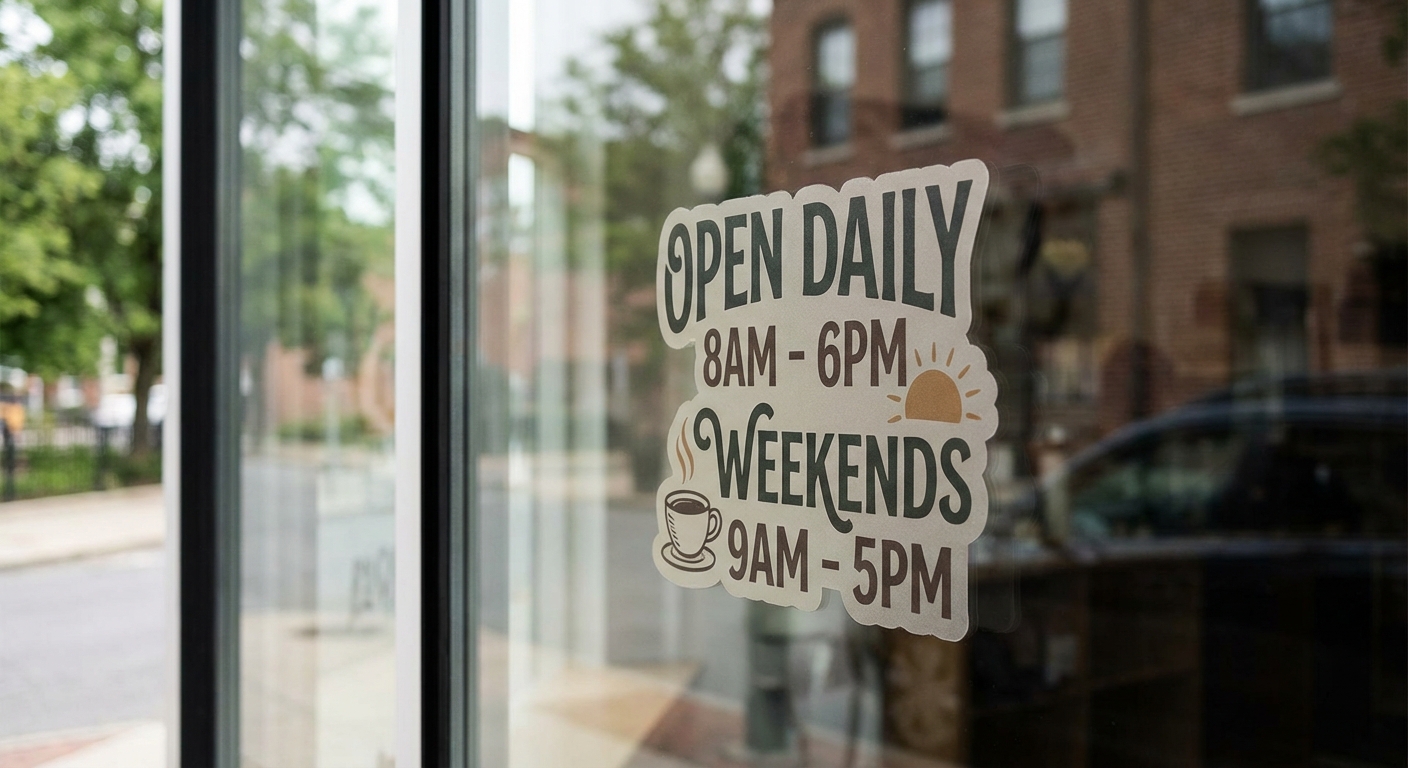
The single biggest fix for stickers won't stick complaints is matching the material to where the sticker is actually going, not just picking whatever looks good in a preview. For laptops, water bottles, and indoor novelty use, Economy Vinyl with a clear protective laminate holds up fine for years with normal handling. For anything that lives outside or on a vehicle, Standard or Premium Vinyl includes UV, scratch, and moisture-protective lamination plus air release technology that prevents the bubbling that often leads to peeling later. If you're labeling the inside of a storefront window, front-adhesive stickers apply to the interior of the glass with the print facing outward, which avoids the wear and tear that comes from mounting on the exterior surface. For anything that needs to survive rain, car washes, or direct sun long-term, our waterproof stickers and outdoor vinyl stickers options are built specifically for that exposure. And if the sticker needs to stay put for years without lifting, our permanent adhesive stickers use a stronger bonding formula designed for long-term application rather than short-term labeling.
Peeling Problems by Surface: Water Bottles, Phone Cases, Walls, and Plastic
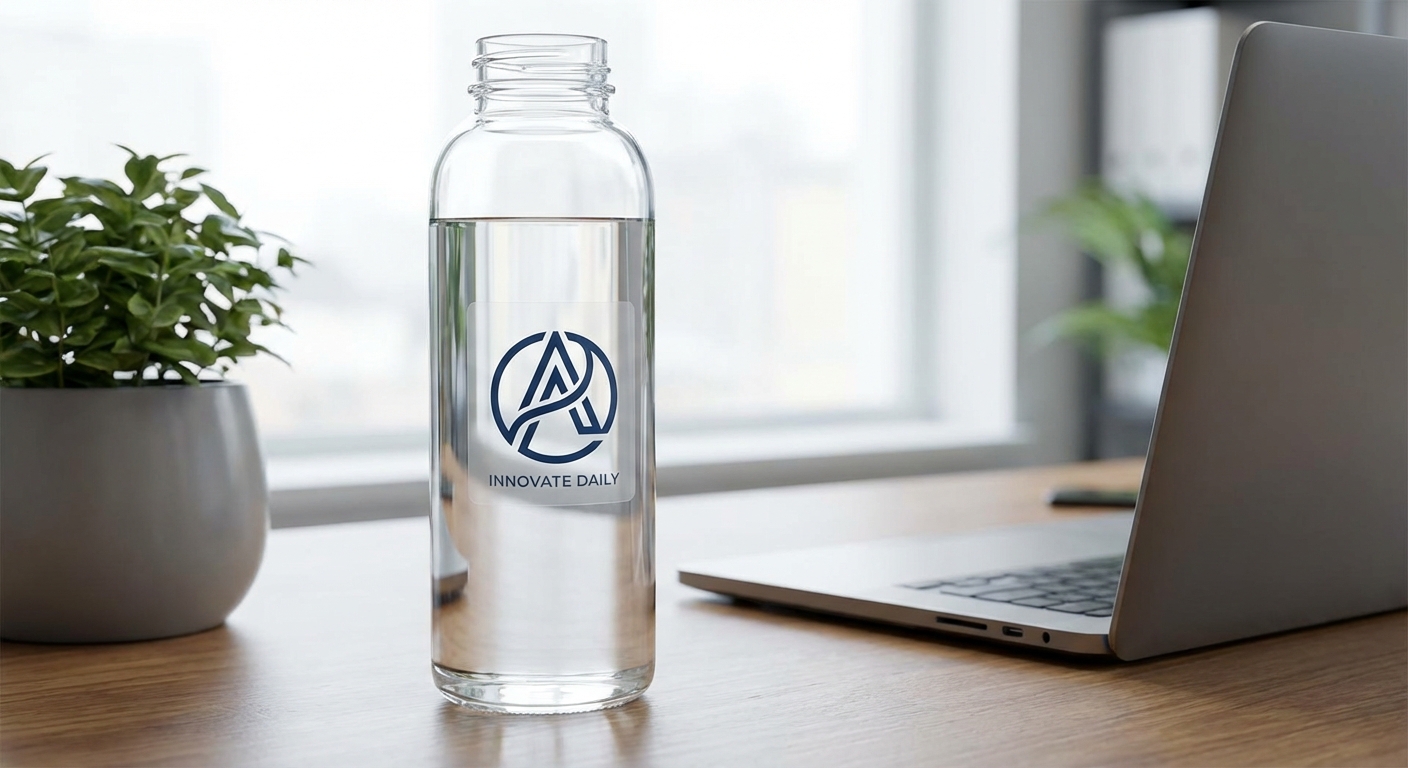
Different surfaces cause different peeling issues, and the fix usually depends on which one you're dealing with. Water bottles peel most often because of condensation, curved surfaces, and dishwasher exposure; a Standard or Premium Vinyl die-cut sticker with strong lamination holds up far better than a basic paper label. Phone cases, especially textured or silicone ones, have low surface contact area, so cleaning thoroughly with alcohol first and choosing a smooth section of the case makes a real difference. Wall stickers peel for reasons unique to painted surfaces, including fresh paint that hasn't fully cured, textured or eggshell finishes, and humidity. If wall application has been an ongoing issue, our guides on why wall stickers won't stick and how to install wall stickers walk through surface prep specific to interior walls. Plastic surfaces, particularly low-surface-energy plastics like polypropylene bins or certain phone cases, resist adhesives that work fine on glass or metal. When in doubt on an unfamiliar plastic, test a small piece of sticker on an inconspicuous spot first, and lean toward Standard or Premium Vinyl for anything that needs a stronger, longer-lasting hold.
Sticker Material Comparison: Which One Resists Peeling Best
Not all vinyl is built the same. Here's how the three core materials compare when it comes to outdoor durability and resistance to peeling.
| Material | Lamination & Protection | Outdoor Lifespan | Best For |
|---|---|---|---|
Economy Vinyl | Clear UV-protective laminate | 3-5 years with proper care (best for indoor/light use) | Logo stickers, local events, indoor novelty items |
Standard Vinyl | UV, scratch, and moisture-protective lamination with air release technology | 3-5 years outdoor durability | Outdoor signs, car stickers, humid or wet environments |
Premium Vinyl | UV, scratch, and moisture-protective lamination with air release technology | Up to 8 years outdoor durability | Car and truck exteriors, contoured surfaces, marine applications |
Sticker Peeling Questions, Answered
- How do I fix stickers that are already peeling?
- Start by lifting the peeling edge just enough to clean underneath it with rubbing alcohol on a cotton swab, removing any dust, oil, or moisture that broke the bond. Let the surface dry completely, then press the edge back down firmly and hold pressure for 30 seconds. If the adhesive itself has lost its tack (common on stickers that have been repositioned several times), a thin layer of clear adhesive or a strip of packing tape along the underside edge can reinforce the hold. For stickers that are peeling across the whole surface rather than just the edges, the material has likely failed and it's usually faster to reprint with a more durable option like Standard or Premium Vinyl.
- Can I make a sticker sticky again once the adhesive has worn out?
- You can extend a sticker's life short-term with a small amount of clear adhesive, double-sided tape, or spray adhesive applied to the back, but this isn't a permanent fix and won't restore the original bond strength. Once vinyl adhesive has dried out or picked up too much dirt and oil, it won't perform like it did fresh out of the package. If you're reapplying the same sticker repeatedly, that's usually a sign it needs to be replaced with a version printed on a material rated for the surface and environment it's actually living in.
- What can I put over a sticker to keep it from peeling?
- A clear laminate or UV-protective overlay applied directly over the sticker can shield the edges from moisture, sunlight, and friction that cause lifting. This is essentially what happens automatically when you order stickers with UV or UV + Scratch protection, since the laminate is bonded during production rather than added after the fact. For outdoor and vehicle applications, a dedicated waterproof sticker build already includes this protection, so there's nothing extra to apply after the sticker is on.
- Which material actually stops vinyl stickers from peeling outdoors?
- For anything exposed to sun, rain, or temperature swings, Standard or Premium Vinyl outperform Economy Vinyl by a wide margin. Standard Vinyl carries UV, scratch, and moisture-protective lamination with a 3 to 5 year outdoor durability rating and built-in air release technology that prevents bubbling. Premium Vinyl pushes that to up to 8 years outdoors and is built for car, truck, and marine applications where the sticker takes constant abuse. Economy Vinyl is a fine choice for laptops and water bottles kept indoors, but it isn't the right pick if peeling in direct sun or rain is the concern.
- Does ordering in bulk change adhesive options or pricing for permanent stickers?
- Yes. Every material, finish, and adhesive option (Economy, Standard, or Premium Vinyl, glossy or matte, die-cut or kiss-cut) is available regardless of order size, and per-unit cost drops as quantity increases. Orders of 50 or more unlock tiered pricing, which makes it more affordable to standardize on a tougher, longer-lasting adhesive for an entire batch instead of mixing materials to save money upfront. If peeling has been an issue with a previous supplier, upgrading the whole run to permanent adhesive stickers is usually cheaper in the long run than reordering replacements.
- How long does production and shipping take if I need to replace peeling stickers quickly?
- Standard production runs 3 business days before your order ships, with rush options available if you need stickers faster. Add typical FedEx or UPS transit time on top of that. Since every sticker is printed to order rather than pulled from generic stock, you can switch materials, finishes, or sizes on a reorder without waiting on a redesign, which is useful if the original batch is peeling because the wrong material was used the first time.
Stickers Built to Stay Stuck
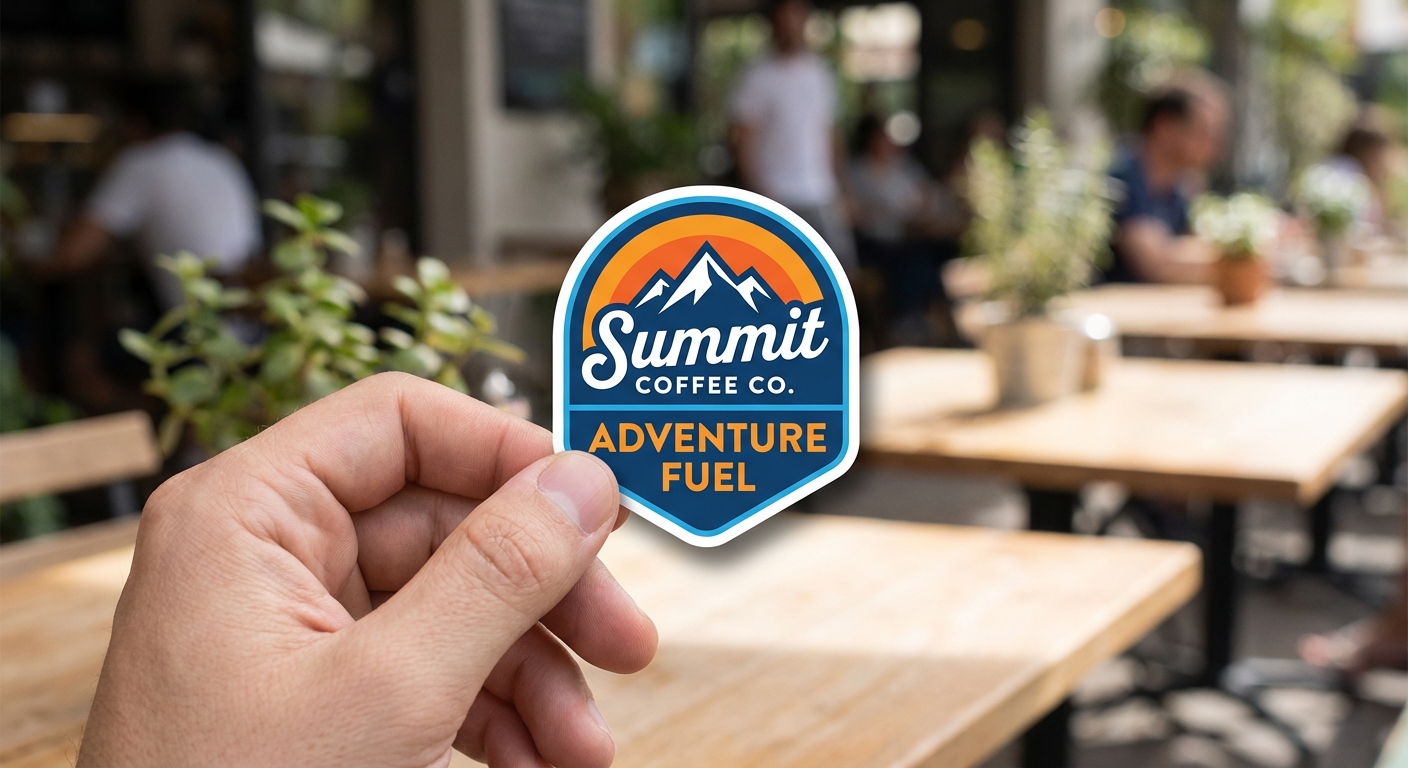
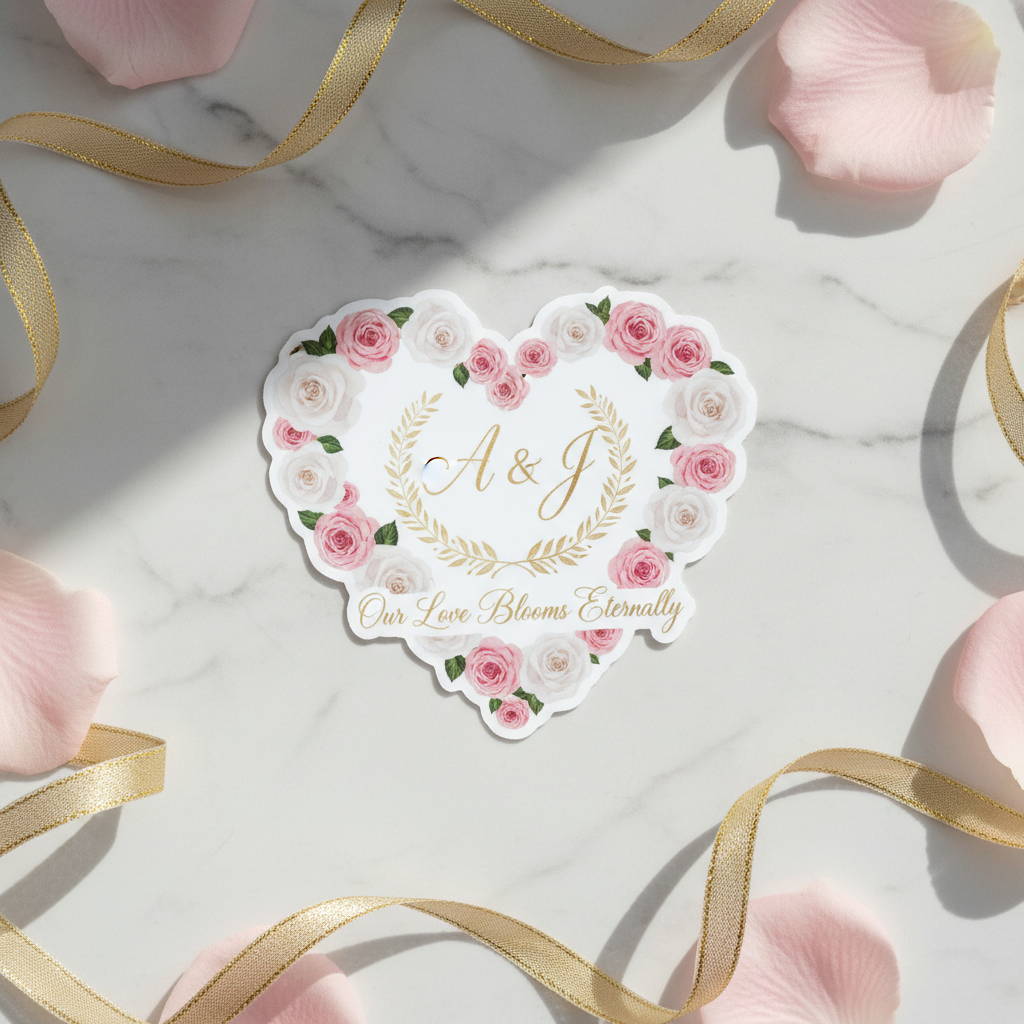
Every sticker below is printed to order with a material and adhesive matched to real-world use, not a one-size-fits-all laminate that peels the first time it gets wet.

Ready for Stickers That Actually Stay Stuck?
Stop reordering stickers that peel within weeks. Pick the material rated for your surface, whether that's Economy Vinyl for a laptop or Premium Vinyl for a truck tailgate, and get it printed and shipped in as little as 3 business days.