
A practical guide to labels, branding, and compliance for small businesses
Every jar, bottle, box, and pouch that leaves your workspace needs a product sticker that does two jobs at once: it has to look good on a shelf and it has to tell the customer (and sometimes the FDA or FTC) exactly what they're buying. Getting the layout right the first time saves you reprints, returns, and awkward conversations with retailers who reject mislabeled inventory. This guide breaks down what belongs on a product sticker, how to organize it, and which label format fits your product size and production volume.
Required vs. Optional Information on a Product Sticker
Not everything on your label carries the same weight. Some information is legally required and must meet specific rules for accuracy, wording, placement, and formatting. Other elements exist purely to sell the product and build your brand.
Required information depends on the product you're selling. This may include the product name, net quantity, manufacturer or distributor information, ingredient lists for foods, cosmetics, or supplements, and applicable allergen or safety warnings. Products regulated by the FDA, USDA, CPSC, or other agencies may have additional labeling requirements, so always check the rules for your specific product.
Optional information can include your logo, brand colors, tagline, website, social media handles, promotional messaging, and non-required QR codes. These elements can turn a basic product label into a stronger piece of branding. Barcodes, batch or lot numbers, and care or usage instructions can also be useful, but may be required for certain products, retailers, or industries.
DISCLAIMER: Labeling requirements vary by product type, ingredients, claims, package size, and where the product is sold. This guide provides general information, so always review the regulations that apply to your specific product before finalizing your label.
DISCLAIMER: Labeling requirements vary by product type, ingredients, claims, package size, and where the product is sold. This guide provides general information, so always review the regulations that apply to your specific product before finalizing your label.
Layout Tips for Cramming It All In
Small containers create real layout pressure. A tincture bottle or lip balm tube might only have room for a small sticker, yet required information still needs to meet the labeling rules that apply to that specific product.
A few things help: organize required information according to the rules for your product category before building the rest of your design around it. Some information may belong on an information panel, while items such as the product identity and net quantity may be required on the principal display panel. Once those requirements are accounted for, branding elements, barcodes, and QR codes can be positioned where they stay visible and scan cleanly.
If your product line includes multiple SKUs with the same layout but different flavors, scents, or colors, custom label sheets let you set a template once and swap variable text or color between print runs, which keeps your packaging labels consistent across a whole product line.
Choosing a Label Format: Sheets, Rolls, or Die-Cut Shapes
The right label format depends on your production volume and how you're applying the sticker.
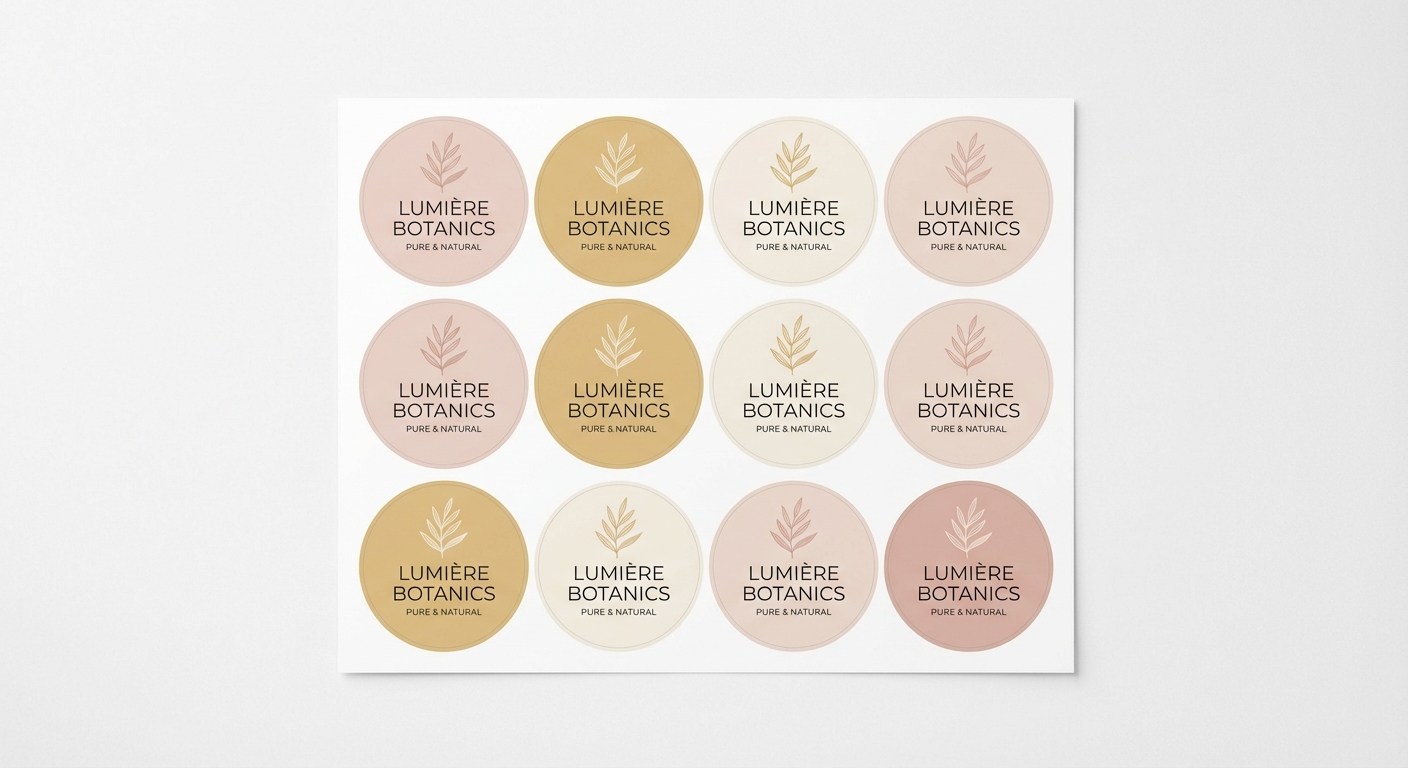
Label sheets (including circle, oval, rectangle, and custom shapes) are the most flexible option for small businesses and low-volume sellers. Minimum order is just 5 units, they print on standard 8.5x11 sheets, and they work well for anyone hand-applying labels to a batch of candles, soap, or jars.
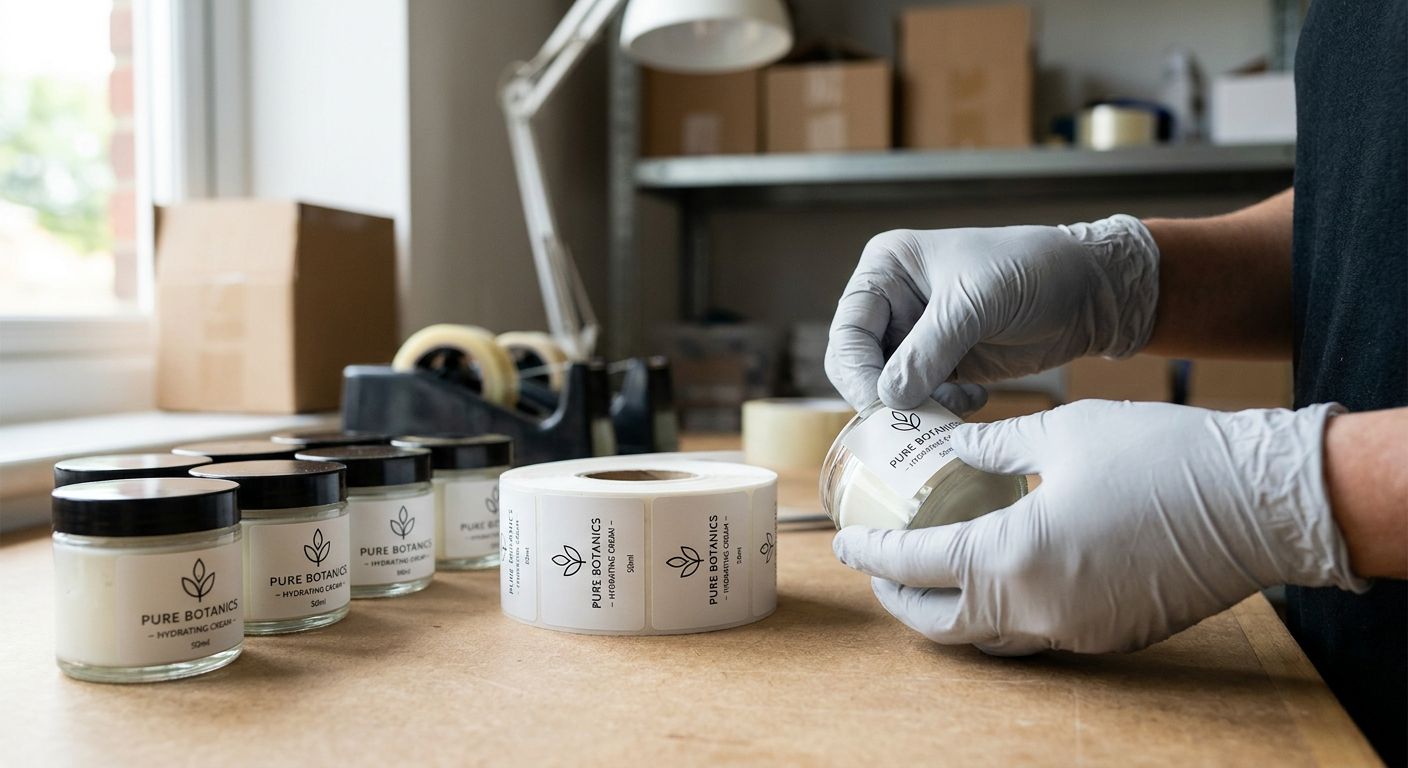
Paper and waterproof roll labels are built for higher-volume operations using label dispensers or automated applicators. Minimum orders start at 500 units, but per-unit cost drops considerably at that scale, and waterproof rolls hold up in fridges, coolers, and humid environments where paper sheets would peel.
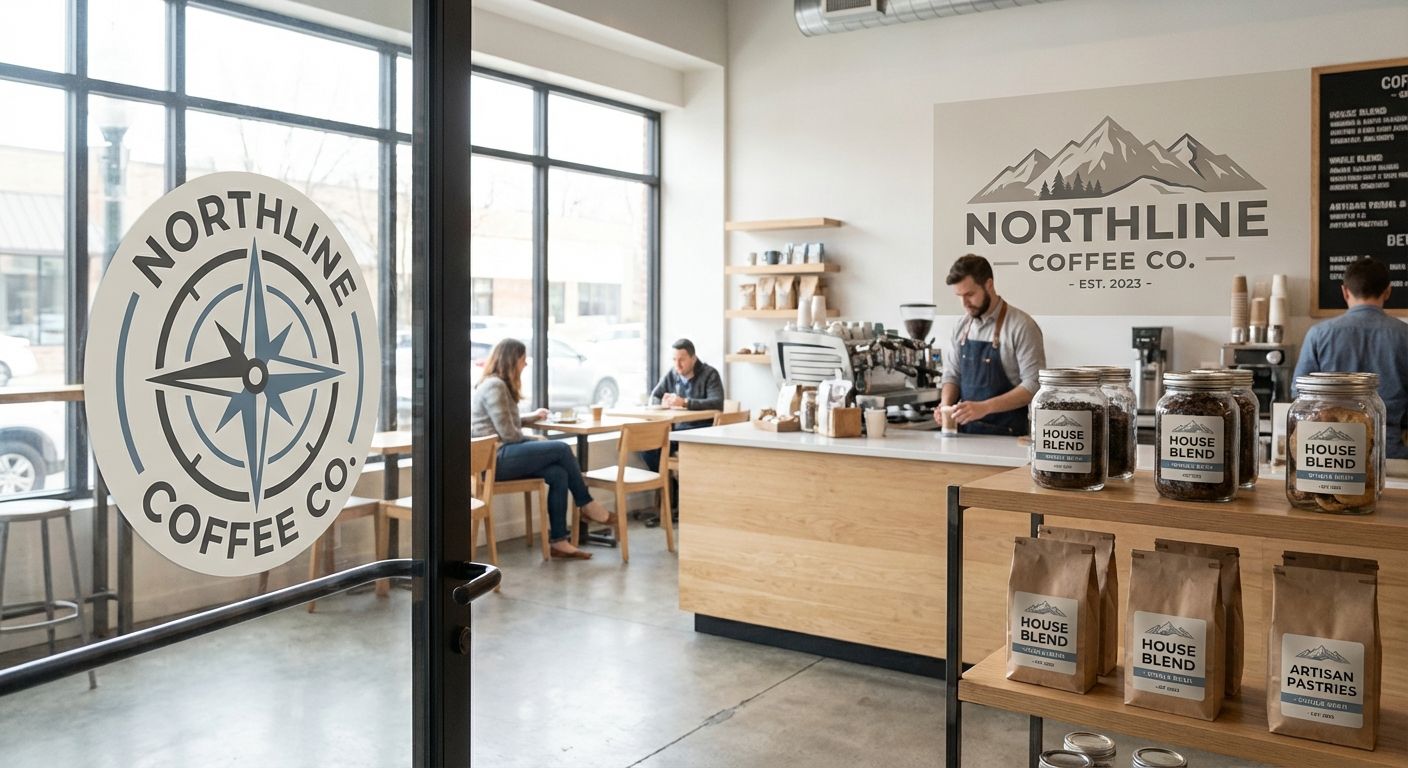
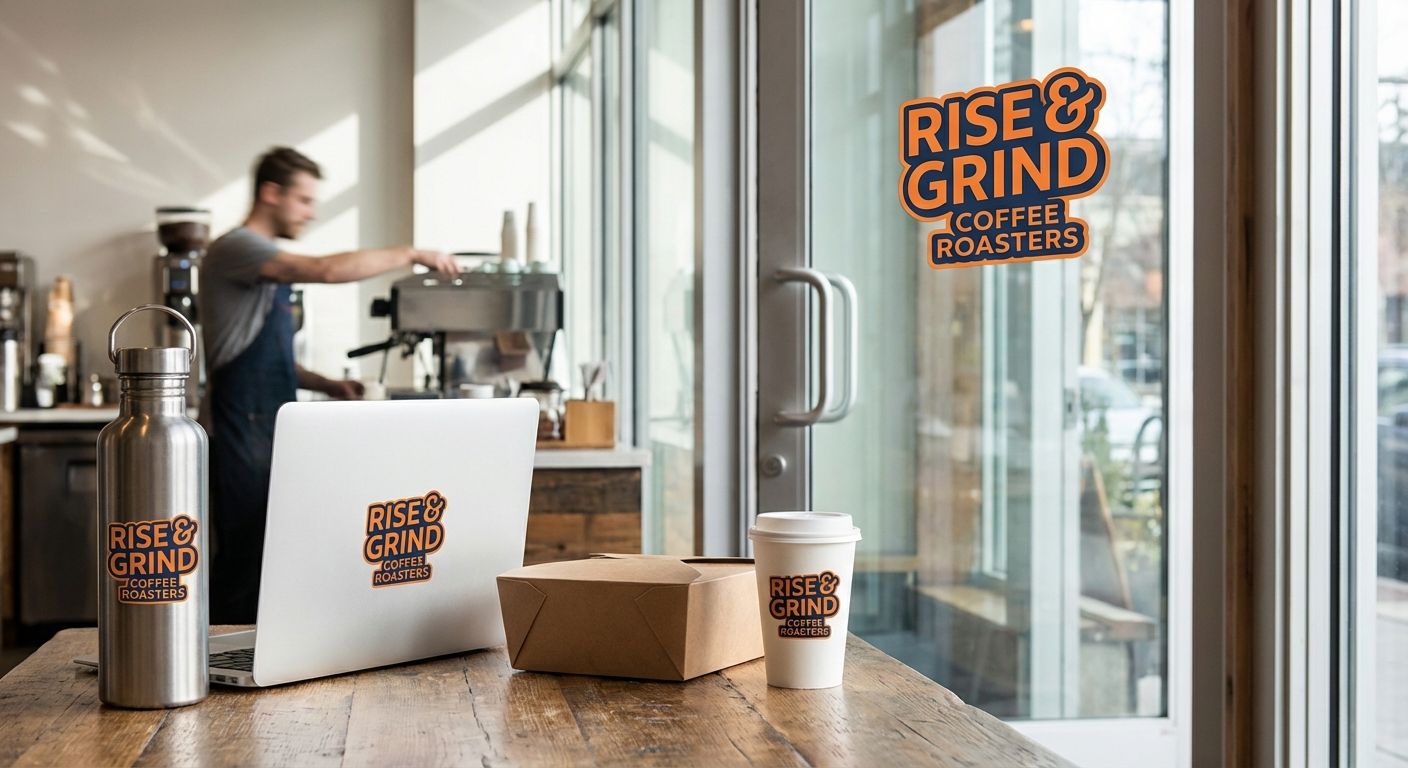
Die-cut labels are cut to your exact product shape rather than a standard circle or rectangle, which matters for oddly shaped packaging or when your logo itself is the label shape. These start at a 100-unit minimum and are a good middle ground between one-off sheet orders and full roll production. If you want a broader look at how labels fit into your overall packaging strategy, our product packaging guide covers how labeling decisions affect unboxing experience and shelf presence.
Label Sheets vs. Roll Labels vs. Die-Cut Labels
A quick side-by-side to help you pick the right format based on order size, application method, and finish options.
| Format | Minimum Order | Best For | Finish Options |
|---|---|---|---|
Label Sheets (Circle, Oval, Rectangle, Custom) | 5 units | Small batches, hand-applied labels, testing new designs | Glossy or Matte, Standard or Premium Lamination |
Paper Roll Labels | 500 units | Automated dispensing, higher-volume retail runs | White Gloss or White Matte |
Waterproof Roll Labels | 500 units | Fridge, shower, or outdoor-exposed products | Gloss or Matte, White or Clear material |
Die-Cut Labels | 1 unit | Custom-shaped packaging and logo-shaped labels | Standard die-cut finish |
Product Sticker Questions, Answered
- What information is legally required on a product label?
- This depends on your product category, but many packaged consumer products sold in the U.S. are required to display information such as a statement of identity, net quantity of contents, and the name and place of business of the manufacturer, packer, or distributor. Other requirements may apply depending on the product. Food, cosmetics, and dietary supplements can have additional FDA labeling requirements. Foods may require ingredient, nutrition, and major-allergen information, while cosmetics and dietary supplements are subject to their own ingredient and labeling requirements. Certain hazardous or regulated products may require specific warning or caution statements, while additional industry standards may also apply to products such as candles. If you're unsure which rules apply to your product, check with a regulatory consultant before finalizing artwork, since the sticker itself can be reprinted but a mislabeled shipment can't be un-shipped.
- Do I need a barcode or QR code on my product sticker?
- Retailers, marketplaces, distributors, or inventory systems may require a UPC, EAN, or other product identifier, so check the requirements of the channels where you plan to sell. Barcode stickers are becoming standard even for small Etsy and Redbubble sellers who want a professional look. QR code stickers are optional but useful for linking to instructions, warranty registration, ingredient transparency pages, or your online store. Just make sure any barcode or QR code prints at full contrast with no color behind it, since low-contrast codes won't scan reliably.
- What size should my product sticker be?
- Size depends on your container and how much text you need to fit. Small bottles and jars usually work best with stickers between 1 inch and 3 inches. For bigger sizes large stickers can support sizes up to 120 x 52 inches. If you're labeling round containers like candles or tins, Circle Label Sheets let you fill a full sheet with a repeating circular design, while Die-Cut Product Labels can be produced in any custom shape from 2x2 inches up to 12x12 inches.
- What file format do I need to submit for a custom product sticker?
- Vector files (AI, EPS, or PDF with outlined fonts) print the cleanest, especially for logos and small text. High-resolution PNG or JPG files (at least 300 DPI at final print size) also work fine for photo-based or illustrated designs. If your file includes ingredient labels or warning text, keep the font size no smaller than 6pt so it stays legible after printing and lamination.
- How much do custom product stickers cost for small batches?
- Pricing scales with quantity and material. Label sheets have a minimum order of just 5 units, which is useful for testing a design before committing to a production run. Roll labels for automated dispensing (like label rolls) start at a 500-unit minimum since they're produced on continuous stock. Die-cut labels start at 100 units. Across all formats, per-unit cost drops significantly at 50+ units, which is where most small businesses land once they've settled on final artwork.
- Are product stickers waterproof and durable enough for the fridge or bathroom?
- Waterproof roll labels are built for exactly this. They're available with a gloss or matte finish, and they resist moisture, condensation, and temperature swings, which makes them a solid choice for skincare, beverages, candles, and anything stored in a fridge, shower, or cooler. Standard paper labels are fine for dry goods and retail packaging that won't get wet.
- How long does it take to get custom product stickers printed and shipped?
- Most sheet and die-cut label formats produce in 3 business days before shipping. Roll labels take longer since they run on dedicated equipment, typically 8-12 business days for paper and waterproof rolls. Add FedEx or UPS transit time on top of production. If you're on a deadline for a product launch or trade show, order roll labels earlier than sheet labels.
Product Sticker and Label Options
Browse the label formats small businesses use most often for product branding, packaging labels, and retail-ready stickers.

Ready to Print Your Product Stickers?
Upload your artwork, choose a label format that fits your packaging, and get custom product stickers produced in 3 business days. Whether you need a few sheets to test a design or a bulk order of roll labels for retail, we print and ship directly to you.