
A practical guide to coffee bag labels, required info, and material choices for roasters and coffee brands
Whether you roast five pounds a week out of your garage or ship pallets to wholesale accounts, your coffee bag labels do more than look good on a shelf. They tell buyers what's inside the bag, where it came from, and how to brew it. Getting the layout and required details right matters just as much as picking a material that survives oils, humidity, and handling. This guide covers exactly what belongs on a coffee bag sticker, which label formats fit different production sizes, and how to order custom coffee labels built for daily roasting runs.
Coffee Bag Label Buying Questions
- What material holds up best for coffee bag labels exposed to oils and steam?
- Coffee releases natural oils and moisture during roasting and storage, so paper labels without lamination tend to smear or yellow fast. Standard vinyl with UV, scratch, and moisture protective lamination is built for exactly this kind of exposure and carries a 3 to 5 year outdoor durability rating. If your bags sit near espresso machines or get handled with damp hands at a farmers market, waterproof vinyl stickers are the safer bet over economy paper stock.
- What sizes do coffee bag labels come in?
- Most roasters use circle labels between 1 inch and 4 inches for bag seals, valve covers, and lid stickers, while front-of-bag labels run larger on sheet or rectangle formats up to 8.5x11 inches for full-wrap designs. Roll labels for high-volume printing are available in static sizes from 1 inch up to 4 inches, and sheet-based labels can be custom sized anywhere from 2x2 inches up to 12x12 inches depending on the product.
- Can I upload my own artwork for custom coffee labels?
- Yes. Upload print-ready artwork and we handle the rest, no minimum order required beyond a single unit. For best results, submit vector files or high-resolution images (300 DPI or higher) with text kept away from the edge to avoid trimming issues. If you're designing roast-specific labels, keep your layout flexible on custom label sheets so you can swap roast dates and origin details without rebuilding the whole file.
- How much do coffee bag labels cost, and is there a bulk discount?
- Pricing depends on size, material, and finish, but minimum order is just 1 unit, so you can test a design before committing to a full batch. Orders of 50 units or more unlock tiered pricing, which drops the per-unit cost significantly, a common move for roasters printing labels for a full season's roast schedule rather than one bag at a time.
- How fast can I get coffee bag labels printed and shipped?
- Standard production is 3 business days, with rush options available as quick as 1 business day for sheet and die-cut formats. Roll labels run on a longer standard production window since they're printed to larger quantities, so plan ahead if you're launching a new roast or restocking before a market weekend.
- How do I apply coffee bag labels to bags without wrinkles or bubbles?
- Make sure the bag surface is clean, dry, and free of oil residue before applying. Peel the label slowly from one edge and press from the center outward to push air out rather than trapping it under the adhesive. Kraft and foil bags both take peel-and-stick labels well once the surface is wiped down.
- How should I store extra coffee bag labels before use?
- Keep unused rolls or sheets flat in a cool, dry place away from direct sunlight. Laminated vinyl labels resist fading and moisture, but storing them in a humid stockroom near green coffee or hot roasters can still soften adhesive backing over time, so a sealed bin or drawer works better than an open shelf.
The Required and Recommended Information on a Coffee Bag Sticker
Coffee label requirements fall into two buckets: information regulators expect and information customers want. On the regulatory side, packaged coffee sold in the US generally needs a net weight statement in both US and metric units, the name and address of the roaster or business responsible for the product, and an ingredient list if the coffee is flavored or blended with anything beyond 100% coffee. Decaffeinated coffee should state 'decaffeinated' clearly, and any allergen statements apply if the product is processed alongside nuts or dairy flavorings. These are the baseline coffee label requirements under general FDA packaged food rules, and while whole bean and ground coffee aren't as heavily regulated as items with nutrition facts panels, getting the net weight and business information right keeps you compliant for retail and wholesale accounts.
Beyond the legal minimum, strong coffee bean labels typically include the roast level (light, medium, dark), origin (country, region, or single farm), roast date, and brewing suggestions. Coffee origin labels and coffee roast labels help customers choose between products on a shelf, and roast date is often more useful to coffee drinkers than a 'best by' date since freshness matters more than shelf stability. If you sell through a storefront or subscription boxes, pairing your packaging with coffee shop labels that match your brand across cups, bags, and merchandise builds recognition faster than one-off designs.
Coffee Label Formats and Material Options
Not every roaster needs the same label setup. Small-batch roasters printing a few dozen bags a week usually do fine with sheet-based labels they can print, cut, and apply by hand, while wholesale operations running hundreds of bags daily benefit from roll-fed labels that feed through an automatic applicator. Label rolls come in circle and oval shapes with gloss or matte finishing, sized from 1 inch up to 4 inches, which covers most valve seals and front-of-bag circle branding. Label sheets give you more layout flexibility for full-coverage bag wraps, ingredient panels, or multi-roast variety packs printed on a single 8.5x11 inch sheet.
Material choice affects both shelf appeal and durability. Economy vinyl works for short-term or indoor use and holds up 3 to 5 years with proper care, while standard vinyl adds UV, scratch, and moisture protective lamination for coffee packaging labels that need to survive shipping, humidity, and handling. Clear label stock creates a minimalist, no-label look that lets kraft bags or window panels show through, which works well for origin-focused brands that want the bag itself to carry the visual story. For bulk coffee product labels across a full product line, a mix of die-cut shapes for front panels and roll-fed circles for seals is the most common setup among growing roasters.
Comparing Coffee Bag Label Formats
Here's how the main label formats stack up for coffee packaging, based on order volume, material, and typical use on a bag.
| Label Format | Material Options | Minimum Order | Best For |
|---|---|---|---|
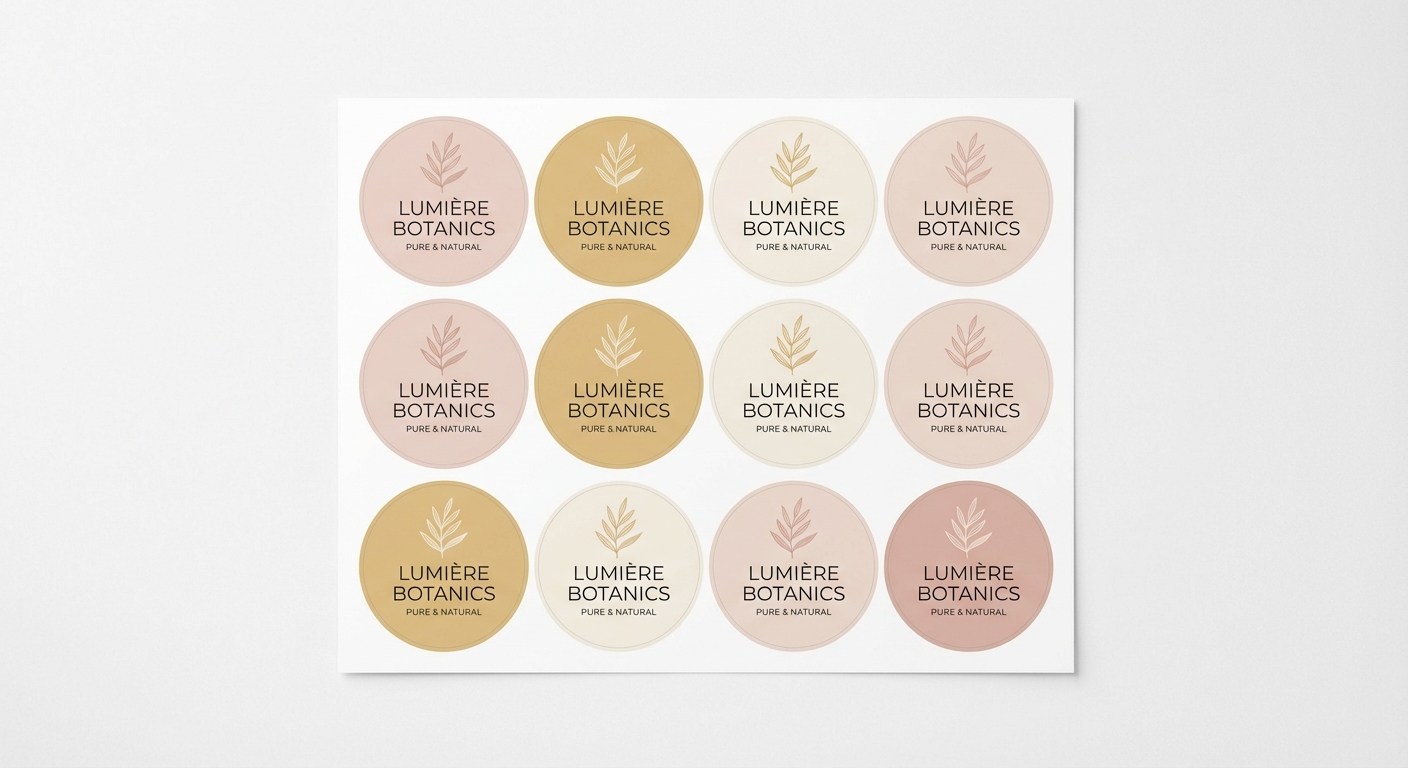
| Circle Label Sheets | Economy Vinyl, Standard Vinyl (Glossy or Matte) | 1 unit | Valve covers, seal stickers, small-batch front labels |
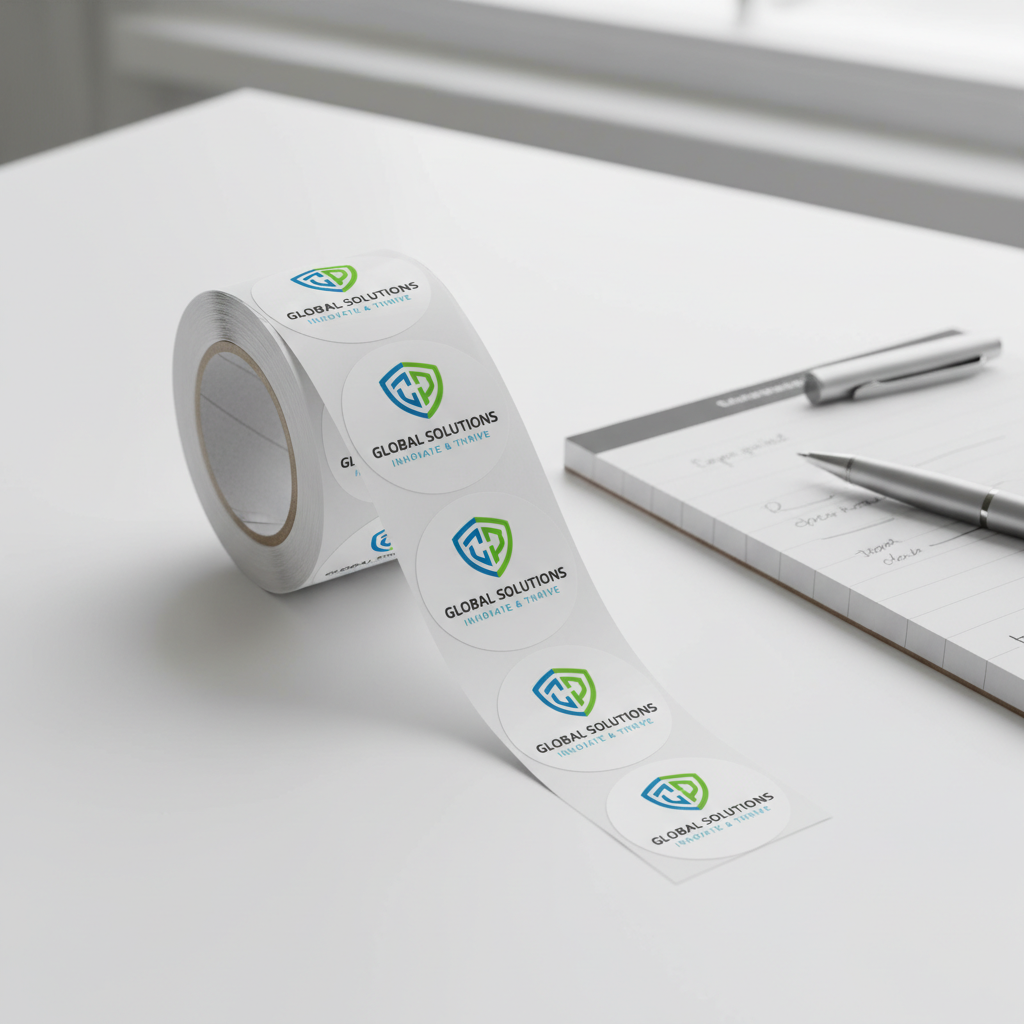
| Circle Paper Roll Labels | White Gloss, White Matte | 500 units | High-volume runs with automatic label applicators |
| Circle Waterproof Roll Labels | White or Clear, Gloss or Matte | 500 units | Cold brew bottles, humid storage, outdoor markets |
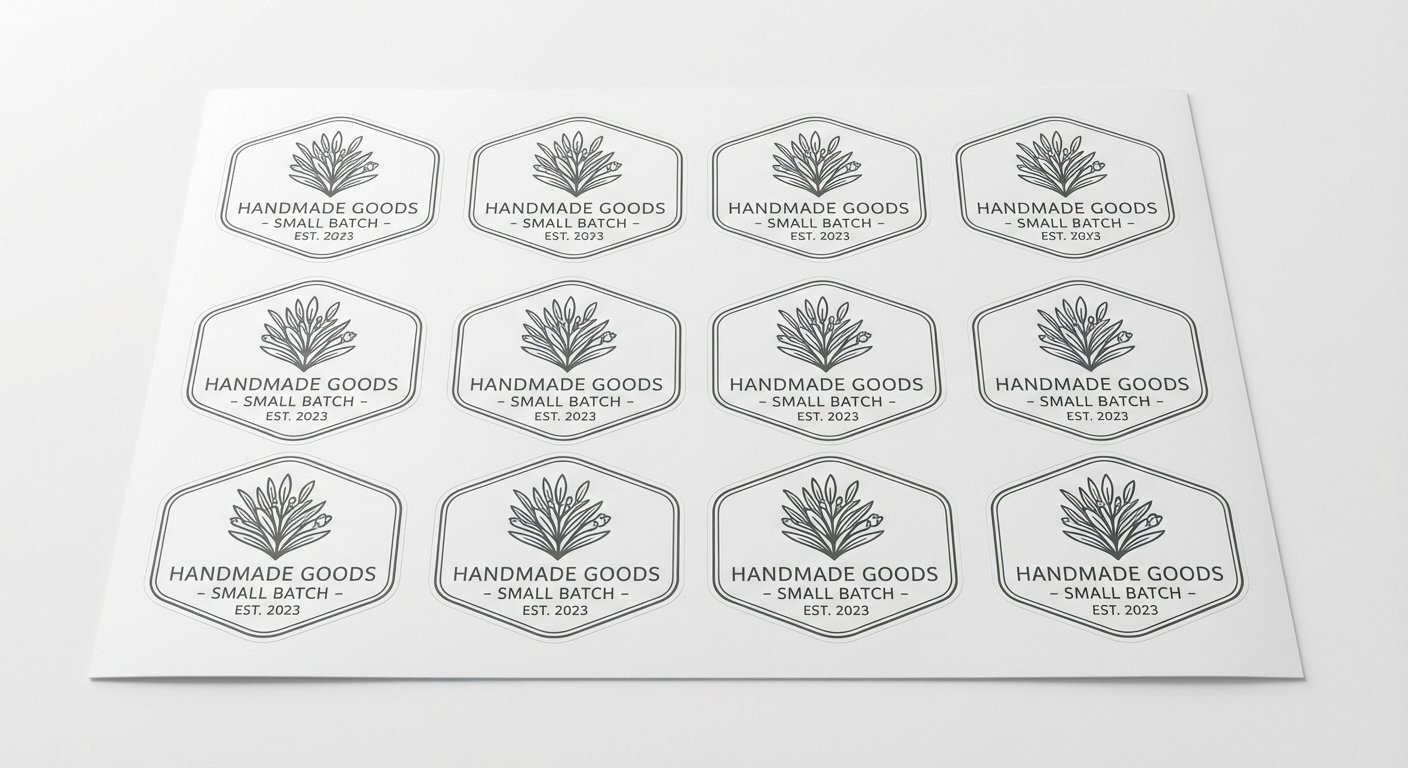
| Die-Cut Labels | Custom shapes up to 7.5x7.5 inches | 100 units | Branded logo shapes that go beyond simple circles or rectangles |
| Custom Label Sheets | Full sheet layouts up to 8.5x11 inches | 1 unit | Full bag wraps, ingredient panels, variety pack designs |
Answering the Questions Roasters Actually Ask
A few questions come up constantly when roasters start sourcing coffee bag labels. The plastic circle on a coffee bag is almost always a one-way degassing valve, not a sticker. It lets CO2 escape after roasting without letting oxygen in, which keeps beans fresher longer. Many roasters place a branded circle label directly over or around that valve for a clean look, which is why circle label sheets sized to fit around standard valve openings are so popular for bag finishing.
As for what makes the best labels for coffee bags, durability against oil and moisture tends to matter more than price per unit. Economy paper labels look fine on day one but can smear within weeks near a grinder or steam wand. Laminated vinyl in gloss or matte finish holds color and legibility far longer, which matters for coffee product labels that need to survive months on a shelf or in transit to wholesale accounts.
People also ask about making free printable labels at home using design tools like Canva. That works fine for personal use or small test batches printed on a home inkjet printer, but the results usually lack the lamination, edge precision, and color consistency that professional printing provides. Since minimum order is just 1 unit, testing a design on custom label sheets costs very little and gives you a real preview of how your coffee origin labels and roast labels will look once they're on an actual bag, not just on screen. For a broader look at building out full packaging systems beyond just the bag sticker, the product packaging guide covers label placement, box labeling, and shipping considerations roasters often overlook.
Shop Coffee Bag Label Formats
These are the label products most roasters use for coffee bags, from small-batch sheets to high-volume rolls.
Ready to Print Your Coffee Bag Labels?
Upload your artwork, choose your material and finish, and get custom coffee labels printed in as fast as 1 business day. Minimum order of 1 means you can test a design before scaling up to a full roast run.