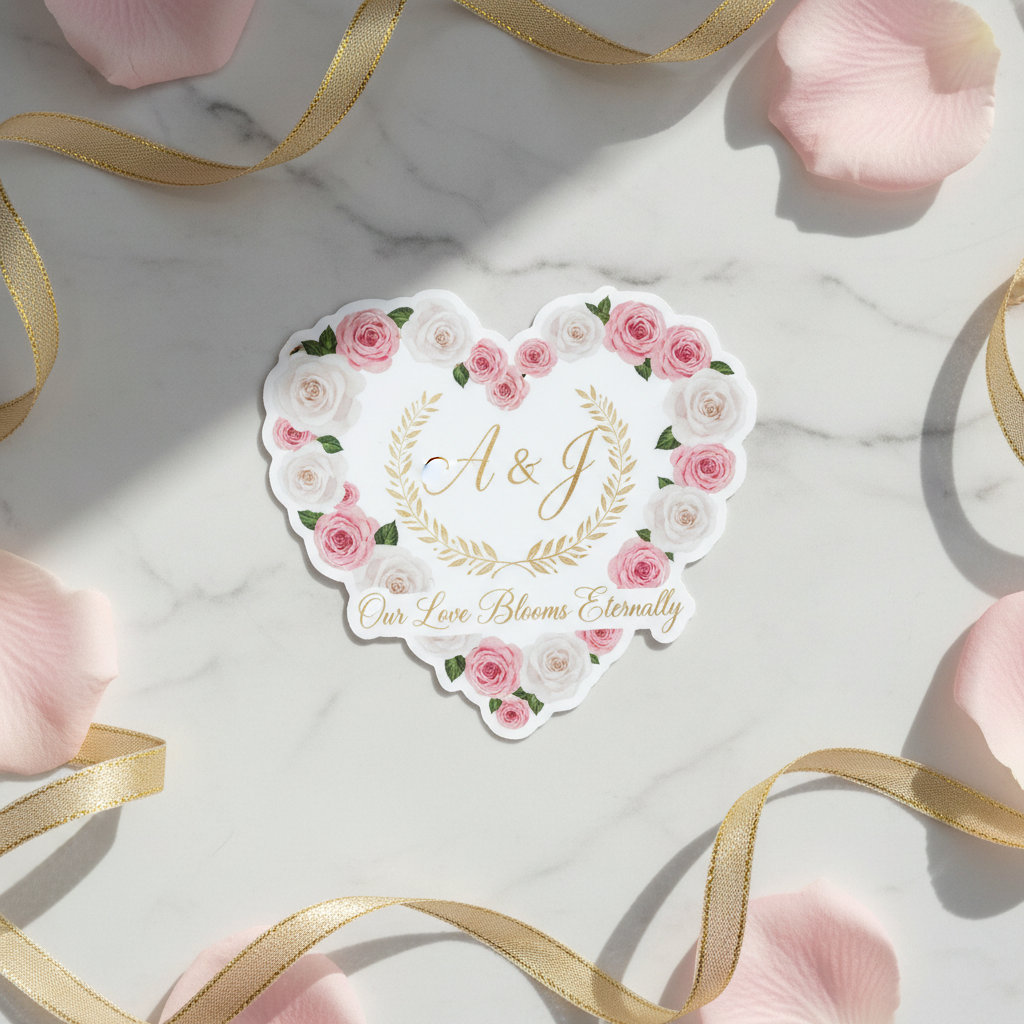
Tamper-evident seals that protect your food, reassure your customers, and turn every takeout bag into free advertising
Restaurant delivery seal stickers are adhesive labels placed across the opening of a takeout bag, box, or container so customers can see at a glance whether their order has been opened before it reached them. They have become standard practice for restaurants, ghost kitchens, caterers, and food trucks running their own delivery or working with third-party drivers. Beyond the safety signal, a branded seal sticker does double duty as marketing: your logo, tagline, or QR code rides along on every single order that leaves the kitchen. This guide covers the materials, sizes, and application methods that make a seal sticker actually tamper evident, not just decorative.
What Does Tamper Evident Actually Mean?
Types of Restaurant Delivery Seal Stickers
Where to Buy Tamper-Proof Stickers for Your Restaurant
Comparing Seal Sticker Options
| Option | Best For | Durability | Typical Size |
|---|---|---|---|
Vinyl Die-Cut Stickers | Most restaurants sealing takeout bags and boxes, from same-day delivery to batches pre-printed weeks in advance | 3 to 5 years | 2" to 4" |
Circle Sticker Sheets | Expo lines peeling seals one at a time during a dinner rush | 3 to 5 years | 2" to 3" |
Crack and Peel Stickers | Busy restaurant kitchens that need easy-to-peel, custom-shaped stickers for quickly sealing takeout and delivery orders | 3 to 5 years | 1" to 3" |
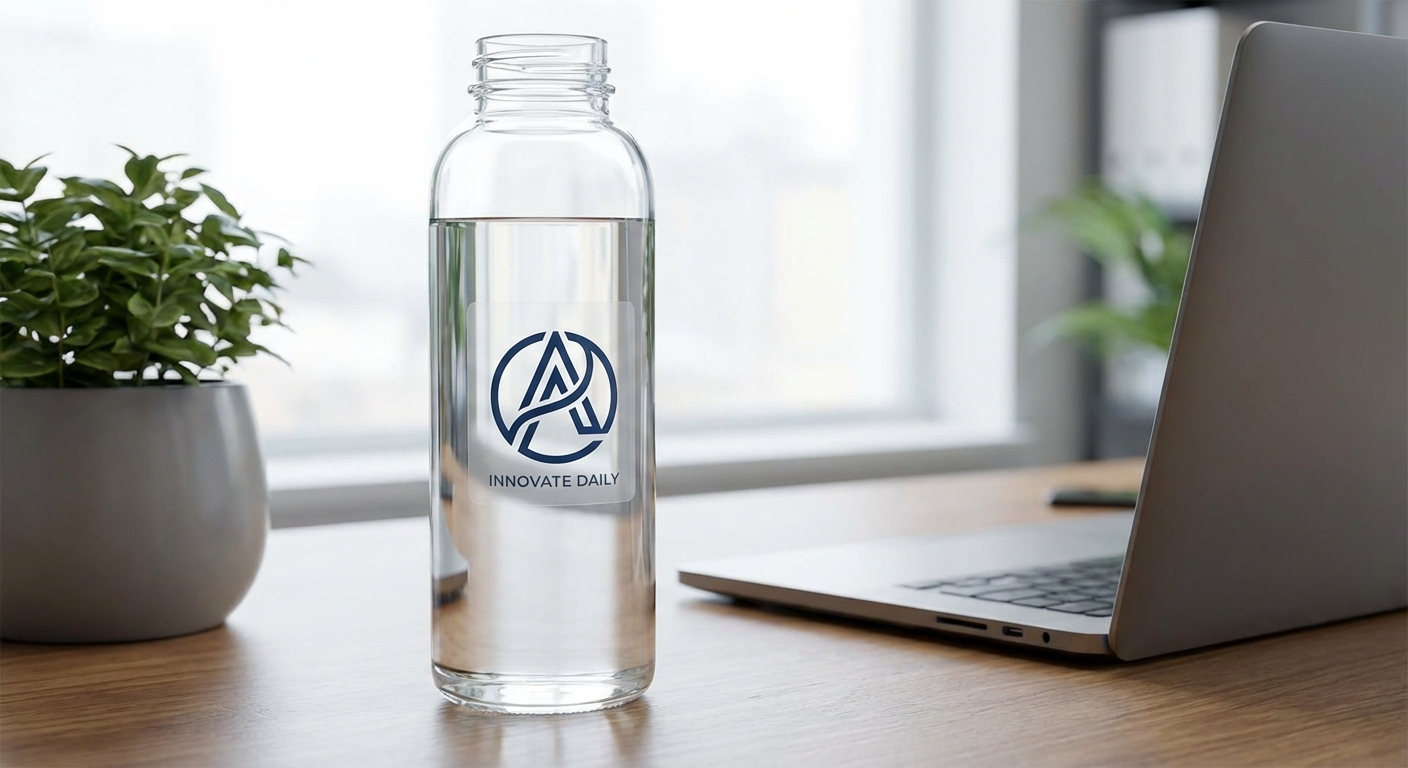
Clear Stickers | A minimal seal that shows the bag or box color through it instead of a printed background | 3 to 5 years | 2" to 3" |
Common Questions From Restaurant Owners
- What are restaurant delivery seal stickers made of, and how durable are they?
- Most delivery seals are printed on vinyl with a laminate layer rated for grease, moisture, and handling. Economy Vinyl is fine for same-day use since the bag gets opened within hours of printing. If you're pre-printing seals in bulk to use over weeks or months, Standard or Premium Vinyl holds up better in a warm kitchen environment and resists smudging from condensation on cold bags.
- What size seal sticker works best for takeout bags and boxes?
- Most restaurants land between 2 inches and 4 inches across, small enough to sit neatly over a bag fold or box lip but large enough to display a logo clearly. Die-cut and circle shapes both work well; a circle around 2 to 3 inches is a popular default because it fits most paper bag handles and box seams without extra trimming.
- Can I upload my own logo and design for delivery seal stickers?
- Yes. You upload your own artwork (vector files like AI, EPS, or SVG produce the sharpest results, but high-resolution PNG or JPG files work too) and choose your shape, size, and material. Many restaurants keep it simple: logo, name, and a short line like 'Sealed for your safety' or a QR code linking to their menu.
- How much do custom delivery seal stickers cost, and is there a bulk discount?
- Pricing depends on size, material, and quantity, with per-unit cost dropping significantly as order size increases. Orders of 50 or more qualify for tiered pricing, which matters for restaurants going through hundreds of delivery orders a week. If you're sealing every single order, ordering in bulk through a resource like this bulk sticker ordering guide keeps your per-seal cost manageable.
- How do I apply delivery seal stickers to bags and containers?
- Fold the bag top over once, then press the seal sticker across the fold so it has to tear to open. For boxes, place the sticker where the lid meets the base. Peel and press by hand, no tools needed. If you want a refresher on handling adhesive stickers cleanly without bubbles, this installation walkthrough covers the basics.
- How should I store unused delivery seal stickers between shifts?
- Keep sheets or rolls flat in a cool, dry spot away from direct sunlight and kitchen heat sources like fryers or ovens. Vinyl stickers hold their adhesive and color best stored at room temperature. Avoid stacking heavy items on top of rolls, which can cause the backing to warp or the adhesive to shift.