
A practical guide to installing oversized vinyl stickers cleanly on cars, windows, walls, and gear
Big stickers fold on themselves fast. One wrong move and the adhesive meets itself before it ever touches your surface, and that sticker is usually done. The fix isn't luck, it's method. With the right prep, the right technique (wet, dry, or hinge), and a sticker cut from material built for the job, you can lay down a large vinyl sticker smooth, bubble-free, and straight on the first try.
Large Sticker Application: Common Questions
- How do you apply a large sticker without it folding or sticking to itself?
- Work slowly and keep the adhesive side away from itself at every step. The wet application method is the most reliable fix: mist the surface and the sticker's adhesive side with a light soap-and-water solution, then lay the sticker down section by section while a second person holds the backing paper away from the adhesive. The water buys you time to slide the sticker into position and correct it before it grips permanently, so a brushed edge won't instantly clamp onto itself.
- What are some tips for applying vinyl decals?
- Clean the surface with isopropyl alcohol first, apply in temperatures above 50°F, and use a squeegee to push air bubbles from the center outward. Never rush the peel. For anything wider than about 12 inches, skip the freehand approach and use transfer tape or the hinge method instead.
- How do I determine the right sticker size?
- Measure the exact surface you plan to cover, then subtract a half-inch to an inch on each side so the sticker doesn't wrap over edges or curves. Custom Vinyl Stickers can be ordered anywhere from 2"x2" up to 120"x50", so measure your space first and order to that exact spec rather than guessing a standard size.
- Which side goes down on permanent vinyl?
- The adhesive side, the side that was against the backing paper, goes down against your surface. The printed or laminated side faces up and out. If you're using transfer tape, the tape sits on top of the printed side so you can lift and reposition the whole sticker as one piece without it folding.
- Where can I get large custom stickers made?
- Stickers.com prints large-format vinyl stickers up to 120"x50" and ships them ready to apply. Browse options like Custom Vinyl Stickers or check the large vinyl stickers page for sizing examples before placing an order.
- What material holds up best for a large outdoor sticker?
- Standard or Premium Vinyl both come with UV, scratch, and moisture-protective lamination plus air release technology that helps prevent bubbling during application. Premium Vinyl carries up to 8 years of outdoor durability, which is worth the upgrade for large stickers going on vehicles, equipment, or anything exposed to weather long term.
- How much do large custom stickers cost, and is there bulk pricing?
- Pricing scales with size, material, and quantity, so a single oversized sticker costs more per square inch than a small one. Ordering 50 or more units unlocks tiered bulk pricing, and you can add rush production if you need the order in 1 to 2 business days instead of the standard 3.
Why Large Vinyl Stickers Fold and Stick to Themselves
A small sticker is forgiving. You peel it, you tap it down, and if it's slightly crooked you just lift and retry. A large sticker doesn't give you that margin. Once the adhesive side catches air or catches itself, you're usually looking at a crease you can't press out or a tear you can't hide. The bigger the sticker, the more surface area is exposed to static, wind, and gravity while you're still trying to position it, and that's exactly when the two adhesive edges find each other. Most folding disasters happen in the handling, not the sticking, which is why the method you use to hold and guide the sticker matters as much as the surface prep.
The Wet Application Method for Large Vinyl Stickers
For glass, car windows, painted panels, and other non-porous surfaces, the wet method is the easiest way to avoid folding entirely. Mix a few drops of dish soap into a spray bottle of water, then lightly mist both the surface and the exposed adhesive side of the sticker. The soapy water acts as a lubricant, letting you slide the sticker into the correct position without it grabbing prematurely. Once it's aligned, use a squeegee to push the water and air out from the center toward the edges, working in overlapping strokes. The sticker won't reach full adhesion until the water fully evaporates, which gives you a wide window to fix mistakes. This is the same technique behind most vehicle decal installs, and our full installation walkthrough covers the tools and pacing in more detail. If you're putting a decal on a windshield or back glass specifically, the car window stickers guide walks through positioning around defrost lines and curves.
The Hinge and Dry-Application Method
For walls, doors, large die-cut panels, and other indoor surfaces where water isn't ideal, use the hinge method instead. Tape the top edge of the sticker to the wall with painter's tape so it can't shift, then fold the sticker up and peel the backing paper away in small sections, working downward. Smooth each newly exposed section with a squeegee before releasing more backing paper. The hinge keeps the sticker anchored and under control the entire time, so there's no moment where a loose, fully-exposed adhesive sheet can flop back and stick to itself. This is the same approach used for large wall graphics, and our wall sticker installation guide breaks down spacing and alignment tricks if you're covering a bigger area like a storefront or classroom wall.
Choosing Size, Material, and Layout Before You Apply
A lot of folding problems actually start before application, at the ordering stage. Measure your surface first, then order a sticker cut to that exact size rather than rounding up and trimming on-site. Custom Vinyl Stickers can be produced from 2"x2" up to 120"x50", so there's rarely a reason to piece together multiple smaller stickers when one properly sized piece will install cleaner and faster. Material matters too: Economy Vinyl is fine for indoor laptop or bottle use, but anything large that's going outdoors, on a vehicle, or on equipment should move up to Standard or Premium Vinyl for the added scratch and moisture resistance. For real-world sizing references and finished examples, the large vinyl stickers page shows how bigger formats hold up across different surfaces.
Wet vs. Dry vs. Hinge: Picking the Right Application Method
Each method solves the folding problem differently depending on the surface and sticker size. Here's how they compare side by side.
| Method | Best Surface | Tools Needed | Folding Risk | Difficulty |
|---|---|---|---|---|
| Wet Application | Glass, car windows, painted metal | Spray bottle, dish soap, squeegee, soft cloth | Low | Easy, beginner-friendly |
| Dry (Peel-and-Stick) | Small to medium rigid surfaces | Squeegee, scissors | High on anything over 12 inches | Fast but risky at larger sizes |
| Hinge Method | Walls, doors, large die-cut panels | Painter's tape, transfer tape, squeegee | Low | Moderate, easier with two people |
| Transfer Tape + Squeegee | Vehicles, storefront windows, oversized panels | Transfer tape, felt-edge squeegee, heat gun (optional) | Very low | Advanced, best for large or curved jobs |
Large-Format Stickers Built for Clean Application
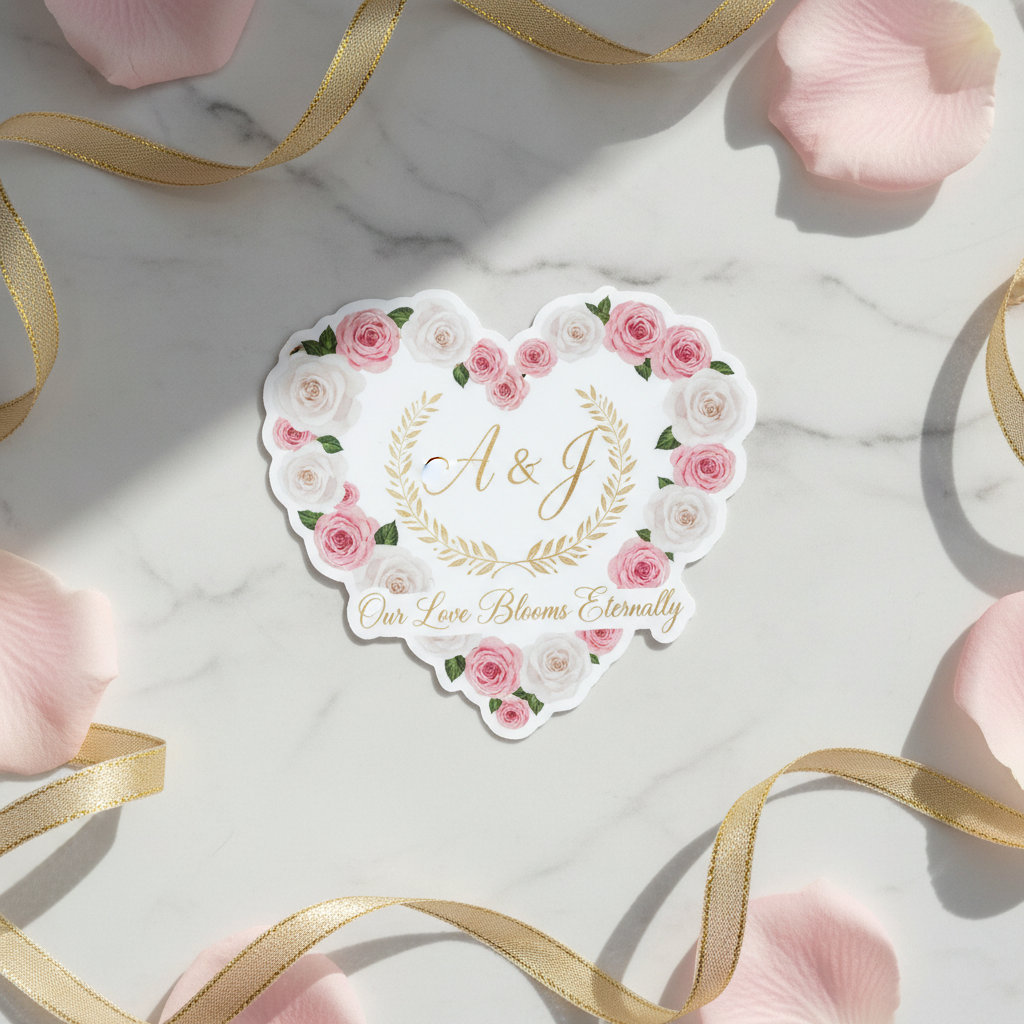
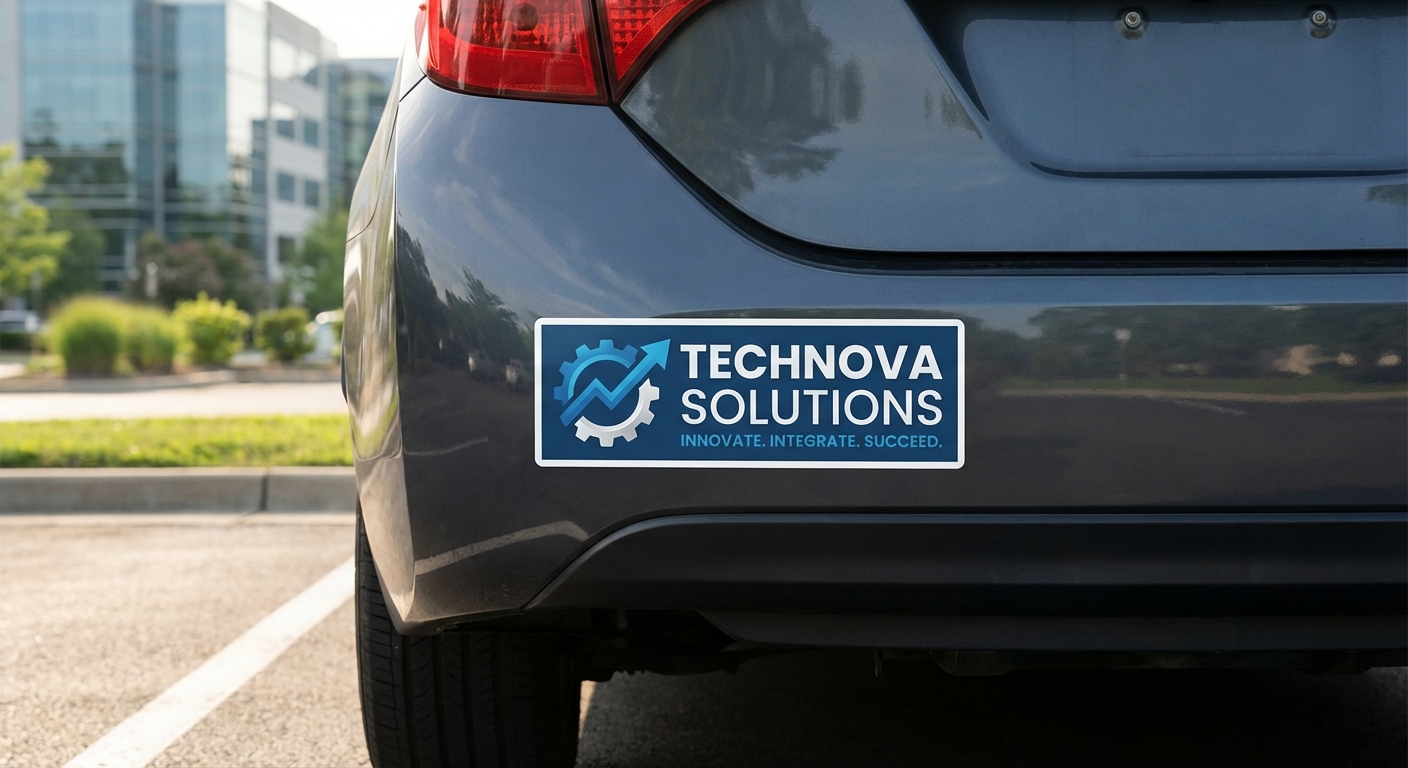
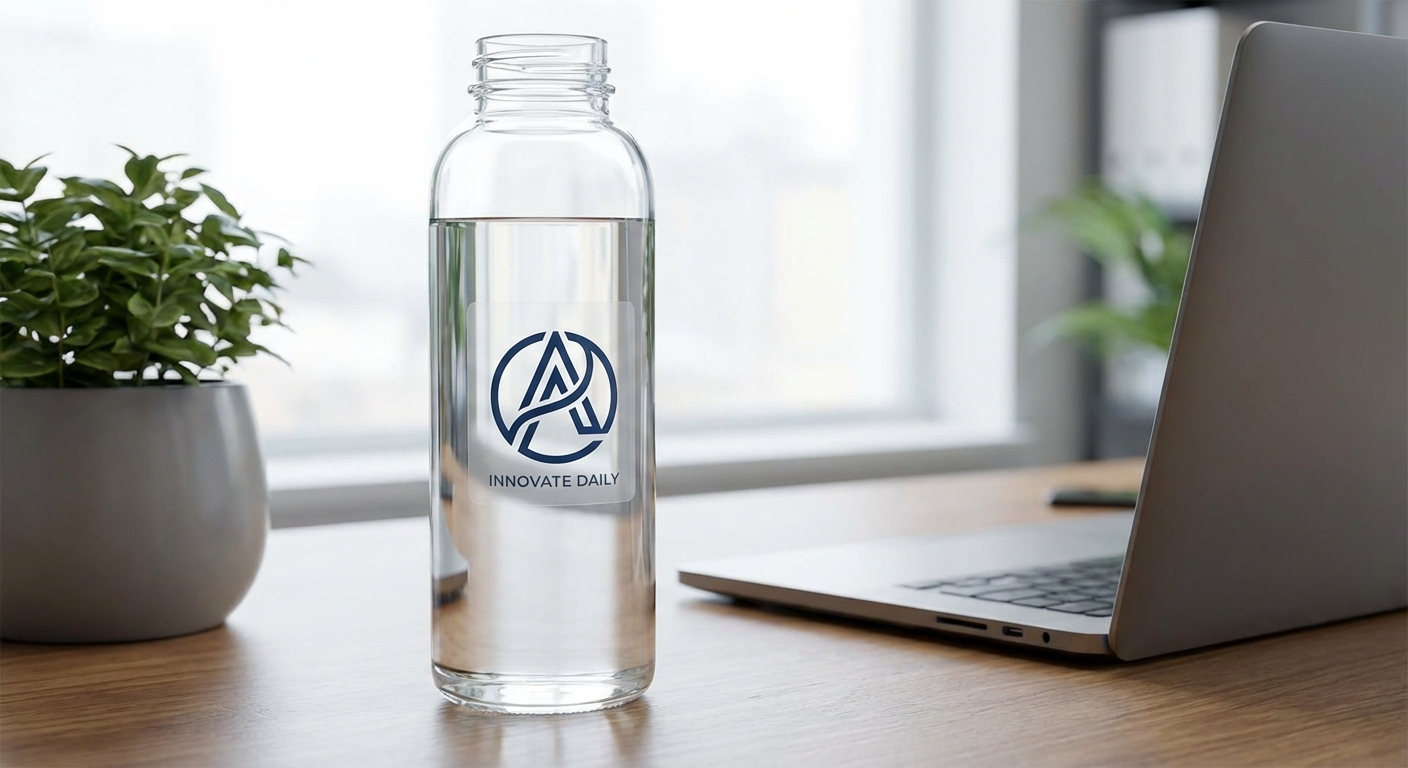
These are the products our customers reach for most often when they need a big sticker that installs smoothly the first time.

Ready to Apply a Large Sticker the Right Way?
Order your large sticker sized to the exact surface you're covering, choose a durable material, and apply it with the wet or hinge method for a smooth, fold-free finish. Stickers.com prints and ships custom vinyl stickers in sizes up to 120"x50", ready for your artwork.
Shop Custom Vinyl Stickers