Yes. Overlabeling with custom stickers is a fast, affordable way to correct misprints without scrapping inventory.
A typo on a label, a wrong price, an outdated ingredient list, or a misprinted barcode doesn't have to mean reprinting an entire packaging run. Custom stickers to fix packaging mistakes let you cover the error with accurate, professionally printed information and get product back out the door. This is standard practice across food and beverage, cosmetics, e-commerce, and retail packaging, and it's one of the fastest corrections a small business or brand can make without delaying shipments.
When a Sticker Fix Makes Sense
This approach works especially well for corrections involving: incorrect product information (ingredients, allergens, usage instructions), pricing or barcode errors, outdated contact or website information, missing compliance text, or batch and lot numbers that were left off the original run. If you're building out packaging from scratch or want to avoid this problem on your next print, our product packaging guide walks through label planning before you commit to a full production run.
Choosing the Right Sticker Type and Material for Overlabeling
Setting Up a Reliable Correction Process
Which Sticker Option Fits Your Packaging Fix?
| Option | Best For | Typical Correction Use |
|---|---|---|
Die-Cut Stickers | Single, precise corrections | Covering a wrong price, logo, or short text line |
Custom Cut Sticker Sheets | Multiple corrections per package | Fixing several errors on one box or multi-SKU runs |
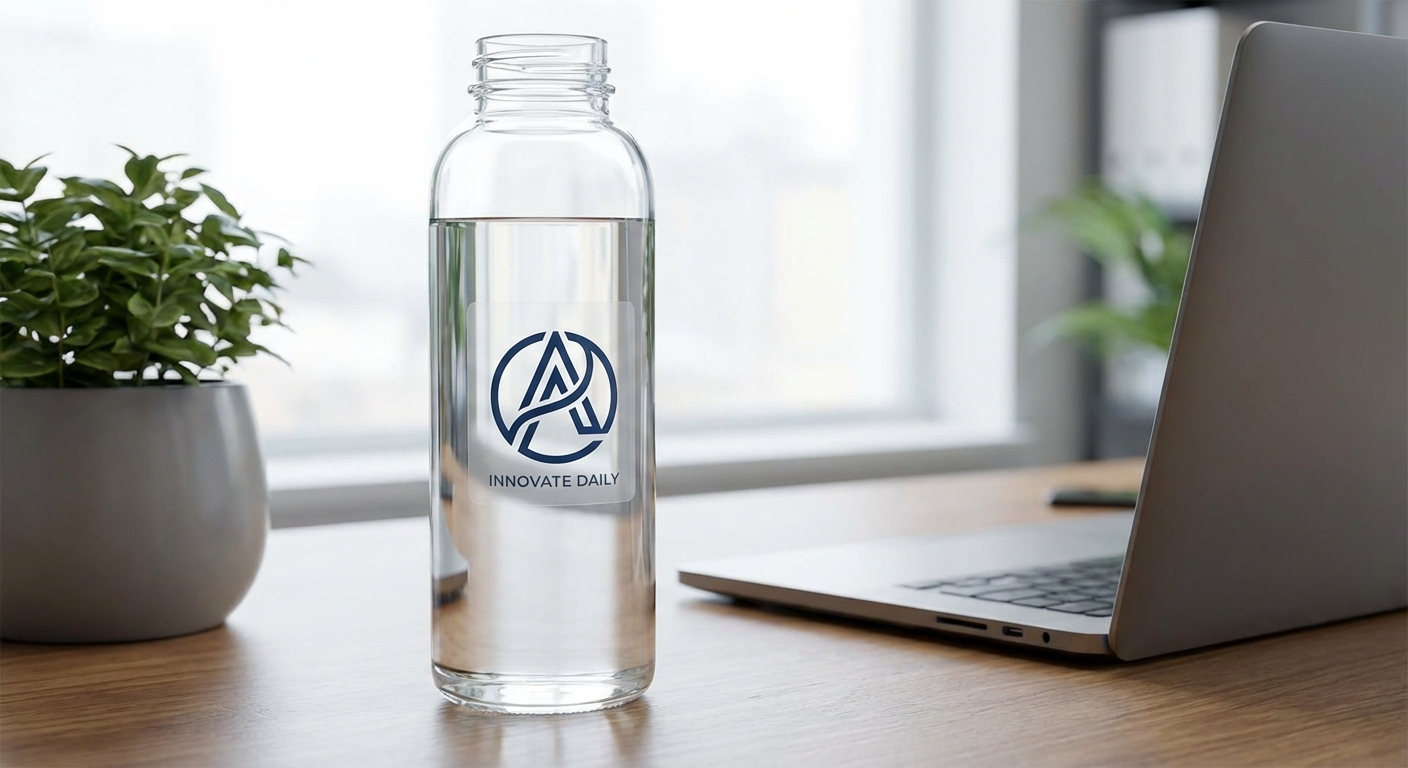
Clear Stickers | Blending a fix into existing artwork | Correcting text on colored or printed packaging |
Label Sheets / Label Rolls | Recurring or ongoing corrections | Batch numbers, pricing updates, compliance text |
Large Vinyl Stickers | Large-format or outdoor packaging fixes | Pallet labels, shipping crates, outdoor signage errors |
Packaging Correction Stickers: Common Buyer Questions
- What material should I use for stickers to fix packaging mistakes?
- Standard Vinyl or Premium Vinyl are the safest choices for correction stickers because both include UV, scratch, and moisture protective lamination. If your product sits on shelves for months or ships internationally, Premium Vinyl offers up to 8 years of outdoor durability. For indoor retail packaging with a shorter shelf life, Economy Vinyl keeps costs down while still protecting print color from fading.
- What size should I order to fully cover an incorrect label or misprint?
- Measure the printed error and order a sticker at least 1/8 inch larger on each side to guarantee full coverage with no original text peeking through the edges. Die-Cut Stickers and custom shapes print anywhere from 2 inches to 12 inches, and if you're correcting several spots on one box, a full sheet from Custom Cut Sticker Sheets lets you cut multiple correction labels from a single print run.
- Do I need a special file or template to design a correction sticker?
- No special template is required. Upload your corrected text or artwork in a high-resolution file (vector files like AI or EPS are ideal, but a 300 DPI PNG or PDF works too), and match the sticker shape and color to your existing packaging for a clean, intentional look rather than an obvious patch.
- How do I apply a correction sticker so it looks clean, not sloppy?
- Clean the original print area with isopropyl alcohol to remove dust or oils, then apply the sticker using firm, even pressure from the center outward to push out air bubbles. For curved packaging like bottles or tubs, choose a flexible vinyl and apply slowly to avoid wrinkling. Matte finish options tend to blend into existing label stock better than glossy finishes if you want the fix to look seamless.
- What's the difference between overlabeling and reprinting packaging entirely?
- Overlabeling means applying a corrected sticker directly over the mistake, which is faster and far cheaper than reprinting boxes, pouches, or labels from scratch. It's the standard approach for packaging labels corrections in food, beverage, cosmetics, and CBD industries where a single wrong ingredient line or lot number shouldn't force a full reprint.